This article has been reviewed according to Science X's editorial process and policies. Editors have highlighted the following attributes while ensuring the content's credibility:
From intense UV radiation and extreme temperatures to wind gusts and lightning strikes, wind turbine blades are engineered to withstand some of the harshest conditions. But that durability becomes a problem at the end of their lives, because the blades are also difficult to break down and recycle.
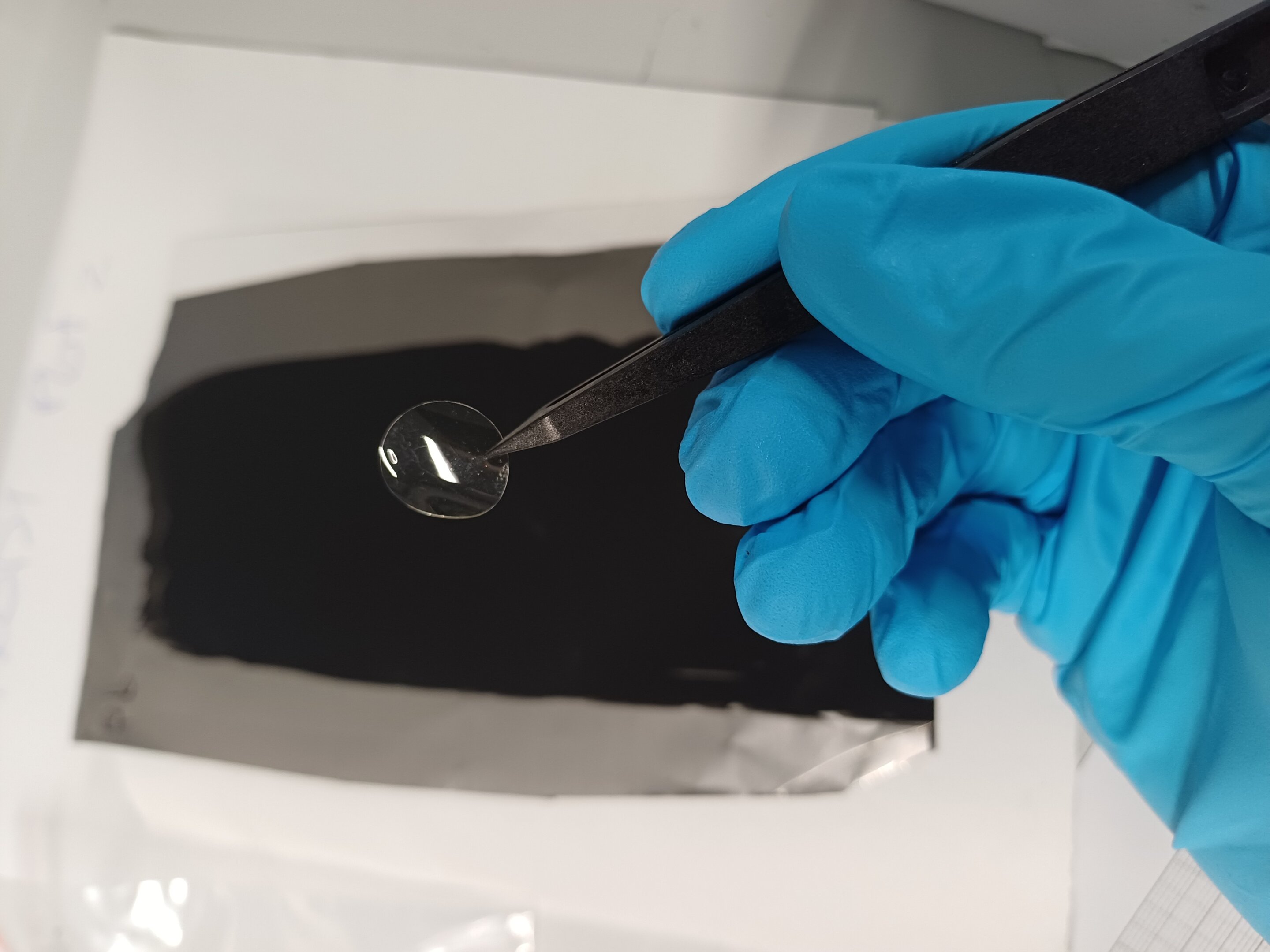
Reporting Nov. 6 in the journal Chem Circularity, researchers found a way to give discarded wind turbine blades a second life. By subjecting the blades to a brief burst of intense heat, they transformed the waste into silicon carbide and graphene, two valuable materials for manufacturing. The method could cut greenhouse gas emissions by up to 83%–92% compared to conventional recycling strategies while also turning a profit.
"Wind turbines typically have a service life of around 20 years," says senior author and chemical and environmental engineer Bing Deng of Tsinghua University, China. "As aging turbines are decommissioned, especially in China, where wind power has expanded rapidly, much of the waste has ended up in landfills. It's a waste of resources."
The team's method takes advantage of the blades' own chemical makeup. Wind turbine blades are usually made from silica-containing fiberglass and carbon-rich polymer resin. Using a technique called flash Joule heating , the researchers heated the waste to about 2000°C (3632°F) in seconds. At this temperature, carbon can react with silica to form silicon carbide, a hard, heat-resistant material.
Source link