This article has been reviewed according to Science X's editorial process and policies. Editors have highlighted the following attributes while ensuring the content's credibility:
A doctoral dissertation of Aleksei Vakhnin in the field of Environmental Science will be examined at the Faculty of Science, Forestry and Technology, Kuopio campus.
Energy forecasting models need suitable input data and carefully chosen settings. Finding a good combination can require training and evaluating many models. This dissertation examines whether evolutionary algorithms can automate this process by jointly selecting input features and tuning model hyperparameters. The proposed approaches were evaluated using datasets from Finland covering district heating demand, household power consumption and solar power production. Accurate energy forecasting can potentially support better planning and management of energy consumption and production.
A hybrid evolutionary algorithm, GA-SHADE, was developed to optimize machine learning models by selecting input features and adjusting model settings jointly. The method was later extended to multi-objective optimization (GA-SHADE-MO), allowing different forecasting models to be compared based on their accuracy and the number of input features.
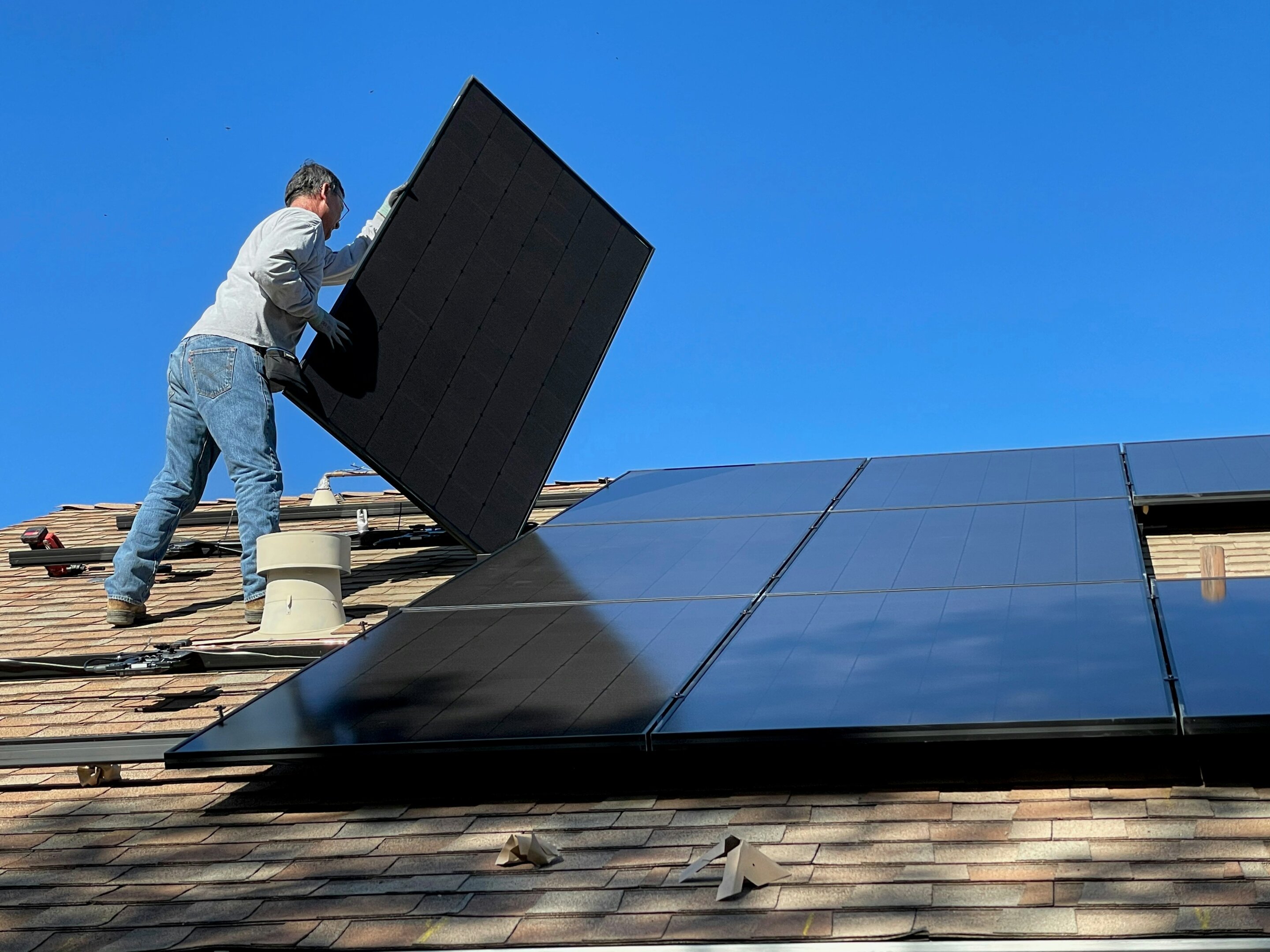
For solar power forecasting, an additional method was developed to guide the initial stages of optimization using information about input features. This approach improved early search performance compared with random initialization. The methods were evaluated on real-world energy datasets from Finland.
The proposed methods could be used to develop forecasting models for energy companies and research projects. They can reduce manual work by automating the selection of input features and the tuning of model settings. Multi-objective optimization provides several model options with different forecasting errors and numbers of input features.
Source link