Nuclear fusion promises virtually limitless clean energy, but building a mini-star on Earth requires extreme electronics. In this regard, American fusion developer Helion has taken a major step toward solving that bottleneck.
The Washington-based company has reached a preliminary agreement with the US Department of Commerce for up to $175 million in federal funding. Backed by the CHIPS Act, the grant is matched by $50 million from private investors.
Together, the $225 million package will fund domestic facilities and production lines to help build the specialized modules needed to run commercial fusion reactors.
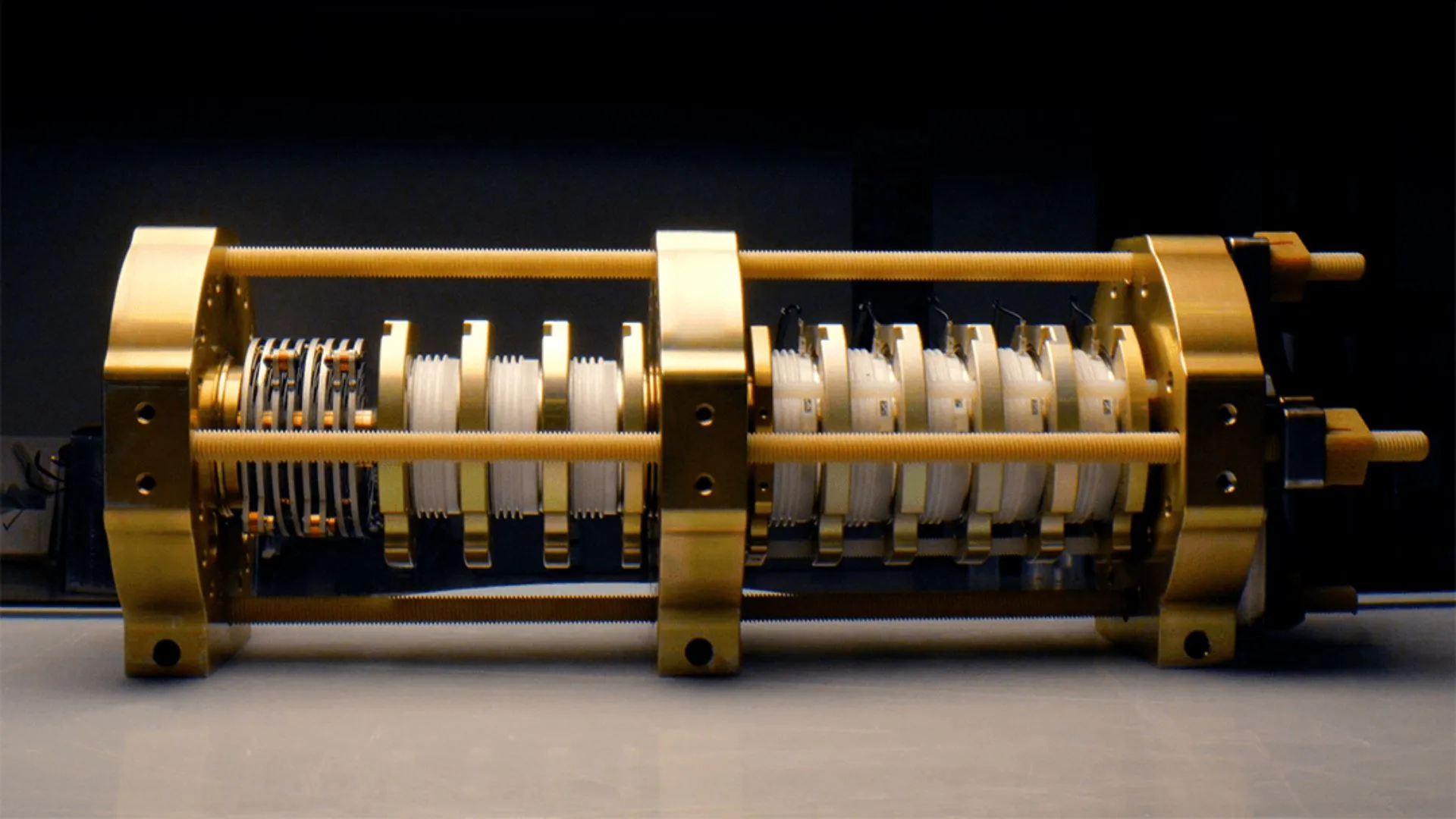
Helion’s approach relies on high-power pulsed electrical systems. These circuits must repeatedly capture, switch, and release colossal surges of electricity in fractions of a second. At present, the robust semiconductors required for these tasks are only made abroad.
By manufacturing them in the United States, Helion hopes to eliminate overseas supply chain risks. The new designs are intended to run at higher voltages, stay cooler under stress, and operate reliably for years.
“Building fusion power plants at scale requires us to accelerate technologies like semiconductors that are critical to making fusion possible,” said David Kirtley, chief executive of Helion. He noted that the new funding will help produce chips that meet the precise efficiency and performance standards the company needs.
The investment will be split across two primary hubs. Everett, Washington, will receive over $100 million to build research facilities and power module manufacturing lines. The project will focus on advanced packaging techniques that bundle multiple chips into compact units.
Source link