
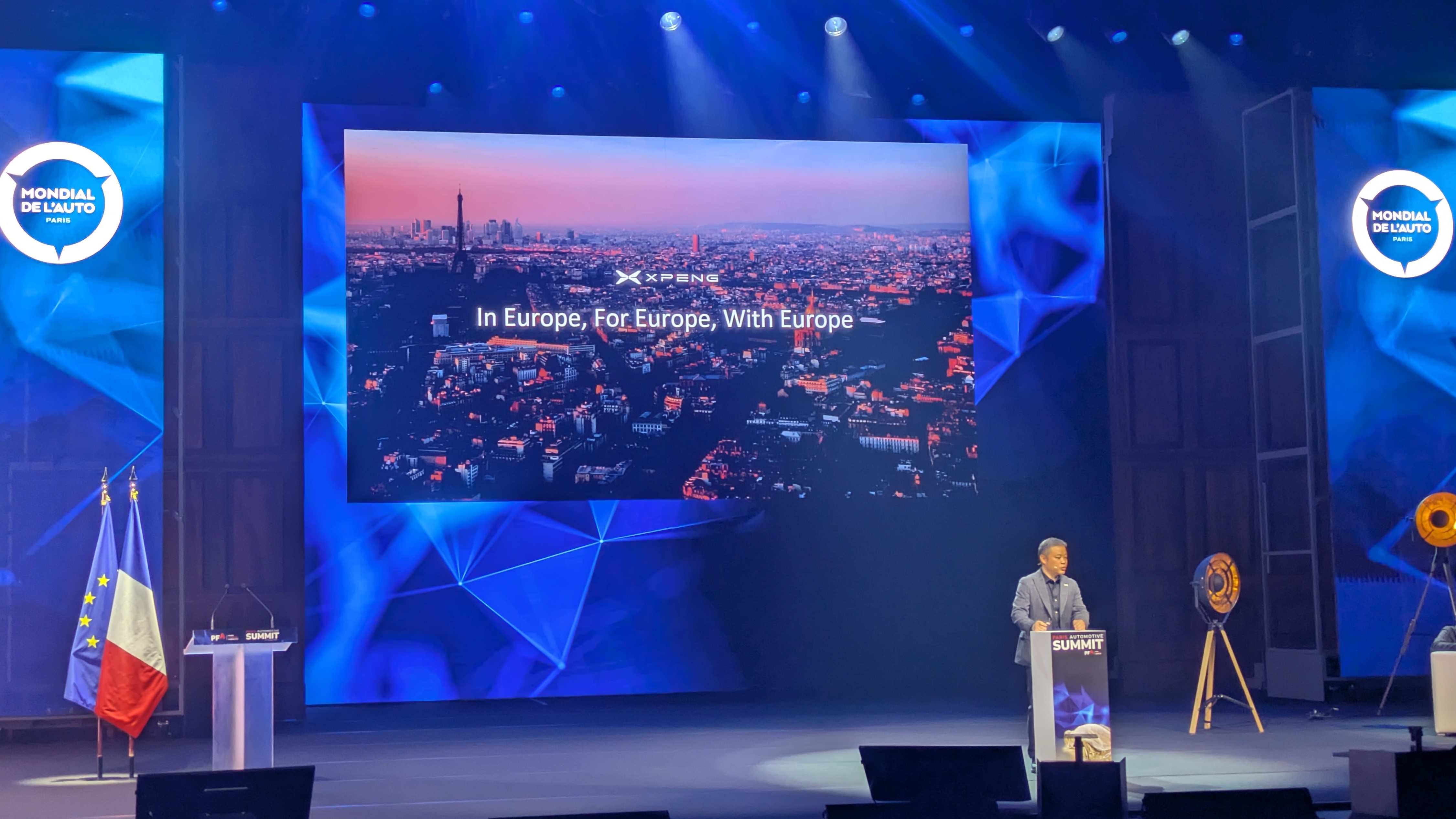
Last night, I returned home from Mondial de l’Auto 2026, otherwise known as the Paris Motor Show. My time there was packed with events and conversations. While at the show, I also attended the Paris Automotive Summit, hearing from multiple industry executives. I will get into more depth on some of these topics in future articles, but some topline observations stood out.
The biennial event looked significantly different than in the past. Roughly a third of the show was Chinese brands. More, depending on how you classify brands like Smart, Volvo and Lotus. Brands like BMW, Porsche, Mini, Maserati, Jaguar and Land Rover were missing. Toyota, Nissan, Suzuki, Mazda and Mitsubishi also did not show up. Honda had a small booth with a couple of ICE cars, while Subaru appeared in a shared booth area. Hyundai/Kia had a larger presence than all of Japan, but a focus on a few new hybrids. Ford displayed some old racing cars and a new Ranger trim and Jeep had a couple of models not offered in the US. Tesla had a Cybercab on display, while Lucid announced their entry into Europe.
However, a contrast between European legacy automakers and the relatively new entrants from China became clearly visible.
When going through the European stands, you immediately notice the retro styling. In many cases, these vehicles have somewhat compromised packaging, quality and specifications. However, they appeal strongly to the legacy of the brand. While we had previously seen an appeal to legacy in Beijing , the embodiment within product became more pronounced in Paris.
Source link