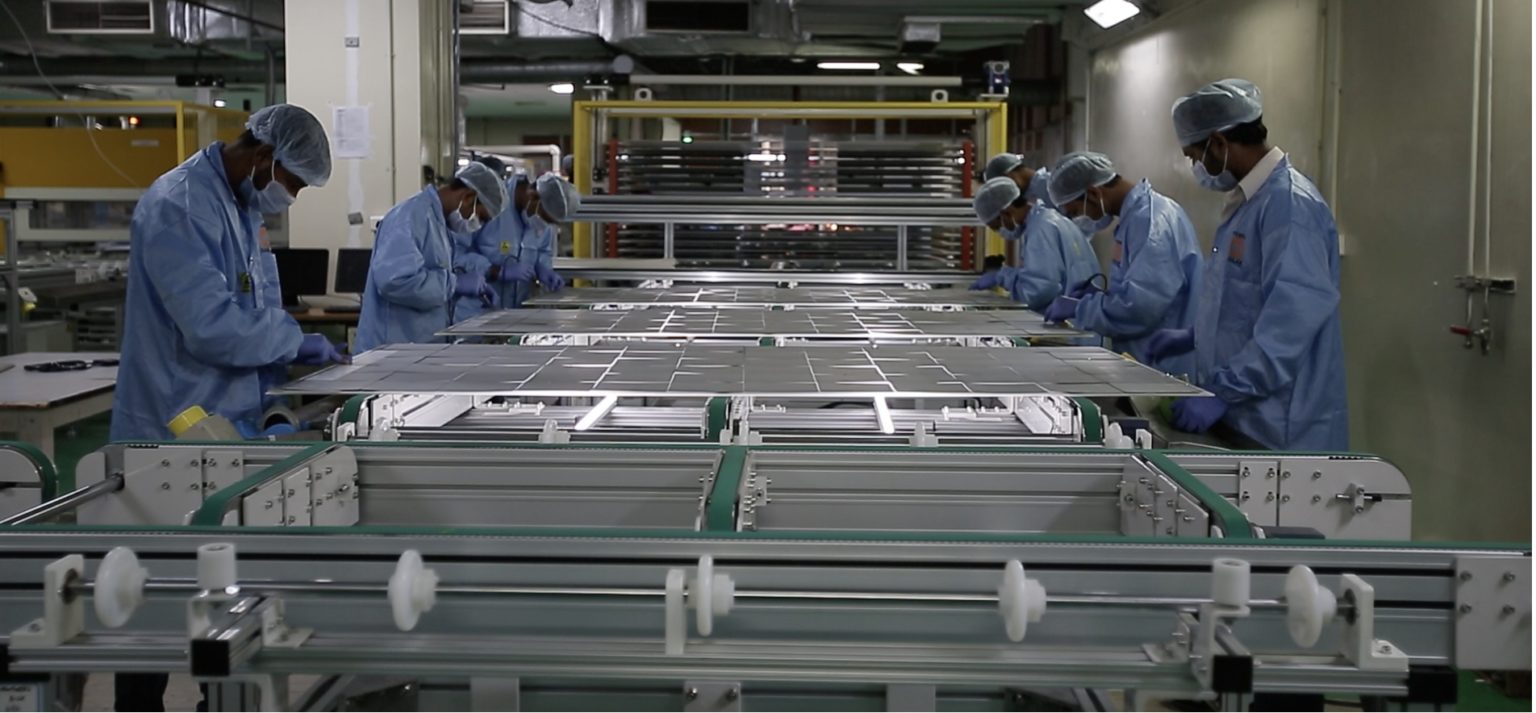
With sustained policy support, India has rapidly grown its domestic supply of PV modules over the past few years. Now it is moving into the more challenging sectors of cell and wafer manufacturing. The second Approved List of Models and Manufacturers (ALMM-II) came into force on June 1, 2026. This key milestone in India’s supply chain localization push extends domestic content requirements outlined in ALMM-I for modules used in any government-backed PV installation to include cells made in India. A further update set to come into force in 2028 will add the requirement for locally made ingots and wafers as well.
By the end of 2025, approximately 144.8 GW of domestic module capacity had been approved under ALMM-I, compared with 23.7 GW of cell capacity under ALMM-II, equivalent to 16% of the approved module capacity. Over the past several years, India’s module capacity has expanded rapidly, while capacity additions in the cell and wafer segments have lagged, along with solar glass and some other module components. Cell and wafer supply remains heavily reliant on imports, resulting in a structural imbalance of ample downstream capacity and insufficient upstream and midstream supply.
As of August 2026, module capacity approved under ALMM-I had reached approximately 217 GW, while approved cell capacity stood at around 36 GW. InfoLink forecasts India’s 2026 PV demand at between 43 GW and 49 GW. The country’s domestic cell supply remains insufficient to fully meet end-market demand, making compliant cell availability a key bottleneck.
Source link