As Mainers prepare to choose a new governor in November, climate and energy issues may not be top of mind for every voter—but they are having big effects on residents’ lives.
The average cost of heating oil recently soared to a record high of more than $6 per gallon, promising an expensive winter ahead for the half of Maine households heated by oil-powered boilers and furnaces. The cost of electricity has also risen steeply, at the third-highest rate in the nation over the past 10 years.
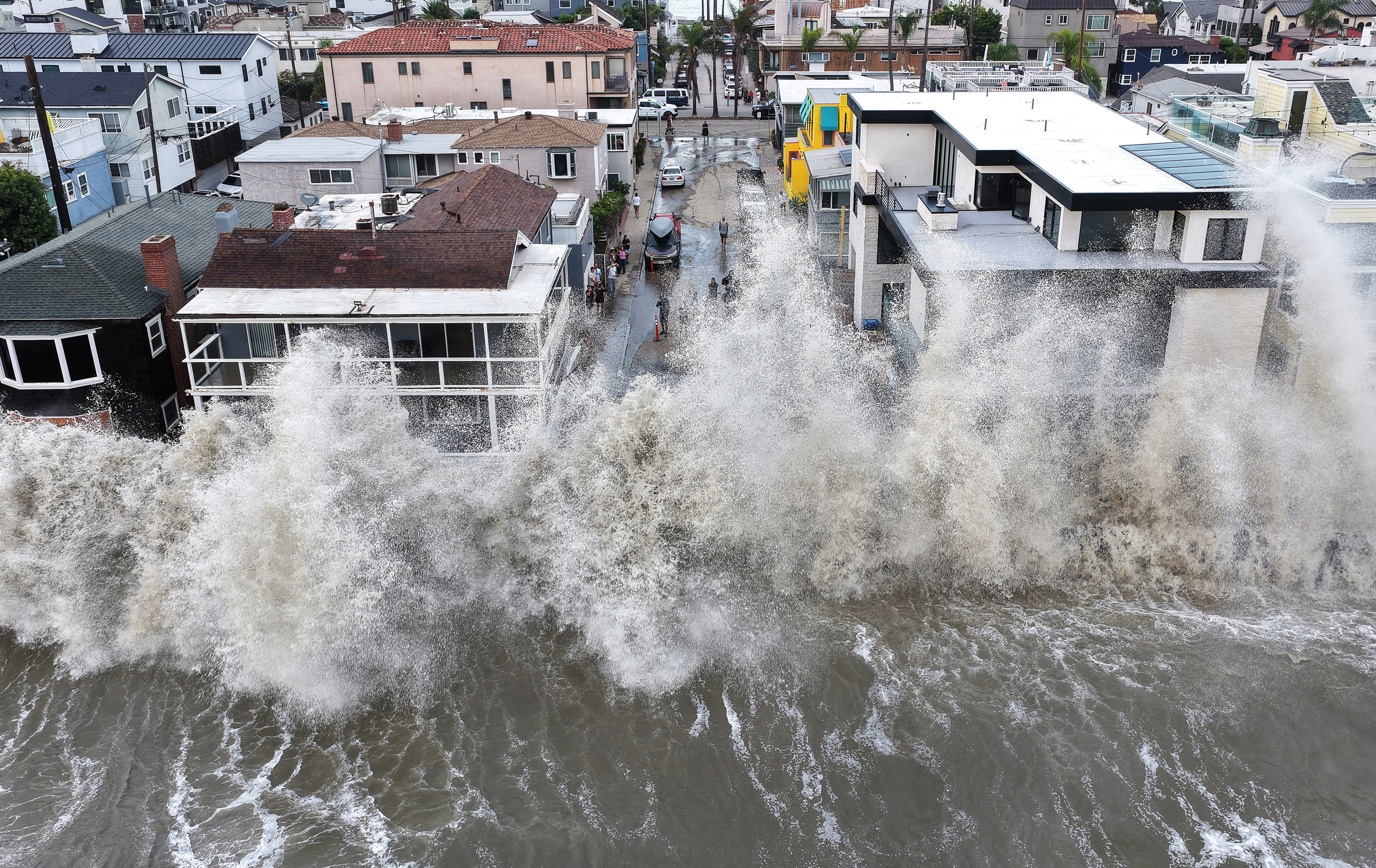
At the same time, the effects of climate change are harming the state. Boom-and-bust rain and drought cycles are making farming more difficult. Rising temperatures are putting pressure on many plants and animals, including economically important species such as lobster. Sea level rise and worsening storms are eating away the coastline and damaging infrastructure.
All three candidates running for governor agree that energy affordability is a priority. And all acknowledge the reality of climate change. But they disagree on whether these problems can be tackled together.
Democrat Hannah Pingree and independent Rick Bennett think energy affordability and climate action can go hand in hand. In a September interview with The Maine Monitor, Pingree said she would continue the work of the Maine Climate Council, which created a plan to meet clean energy and greenhouse gas emissions goals set by the state Legislature. Bennett said he also supports transitioning the state to clean energy.
Republican Bobby Charles said that the state government should focus squarely on affordability, and embrace both renewable energy and fossil fuels, including supporting new natural gas pipelines.
Source link