Last Energy, a commercial developer of the micromodular nuclear reactors in the US has secured the Documented Safety Analysis (DSA) for its pilot facility at Texas A&M University’s RELLIS campus. The DSA is the last but one step in the Department of Energy’s (DOEs) review process before it issues startup authorization for reactor criticality and operations.
The need for carbon-free energy has led to a major comeback for nuclear power, promising on-demand supply without emissions. While nuclear energy in the past meant massive setups that were often associated with delays and cost overruns, nuclear energy of the future is looking to build smaller reactors and at scale to keep costs under control.
Small Modular Reactors (SMRs) and micromodular reactors are being designed with the future of nuclear energy in mind. While SMRs can generate upto 300 megawatts (MW) of electricity, microreactors are much smaller structures that generate no more than 20 MW of output.
Last Energy, a commercial spinoff of Energy Impact Center, a clean energy institute based in Washington, DC, is building a pilot facility at Texas A&M RELLIS with a nuclear core that will also feature in its commercial-scale reactors.
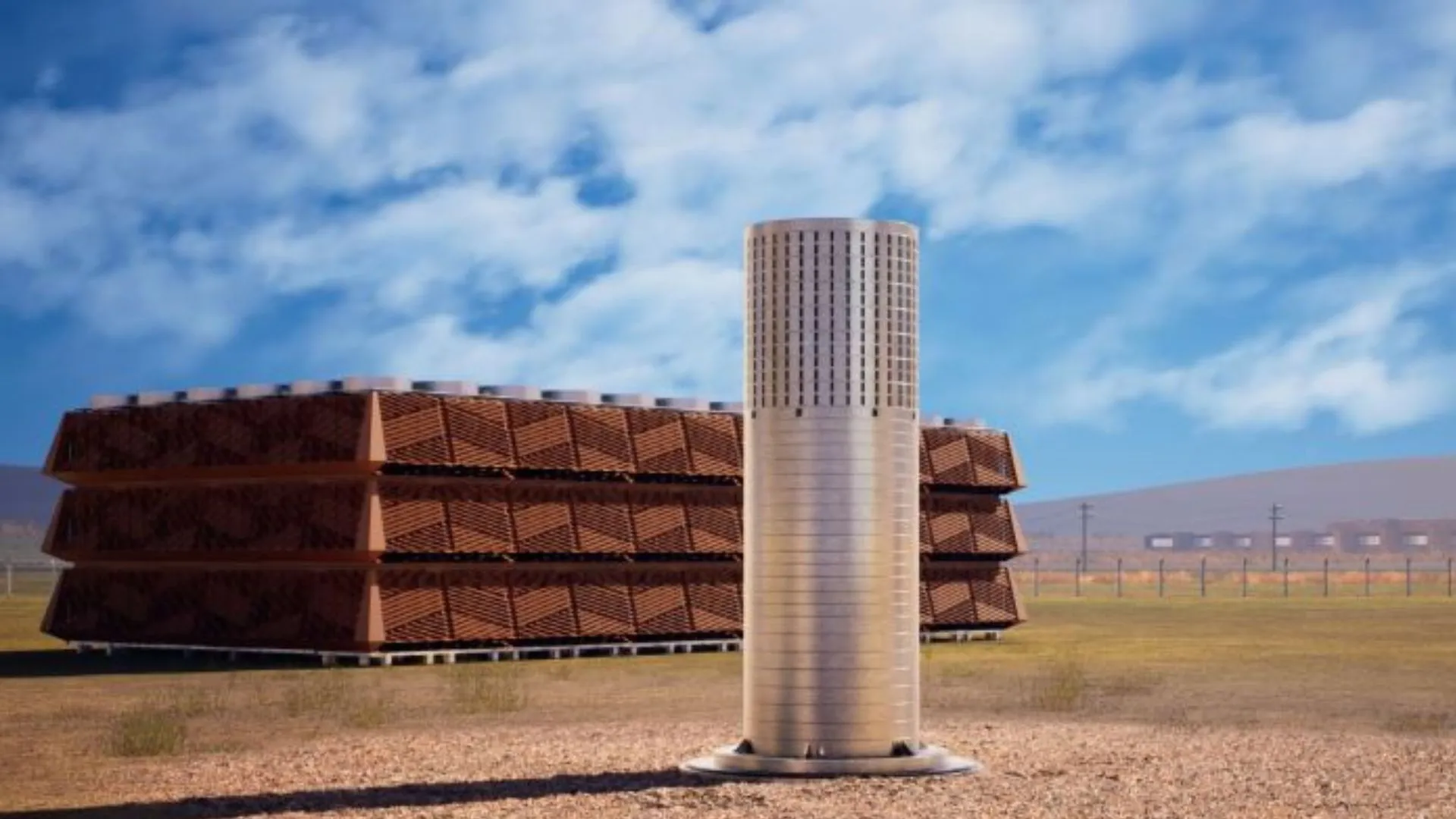
The company’s microreactor uses the proven technology of the pressurized water reactor (PWR) but uses a proprietary steel containment design to hermetically seal it inside a 1,000 ton vault. The approach helps the company fit the reactor compactly in a 114 sq-ft. Nuclear island, not more than a single car parking.
Multiple such nuclear islands can be connected to Last Energy’s factory-built modular steam plant either in sequence or in parallel to scale output or duration of the facility.
Source link