This article has been reviewed according to Science X's editorial process and policies. Editors have highlighted the following attributes while ensuring the content's credibility:
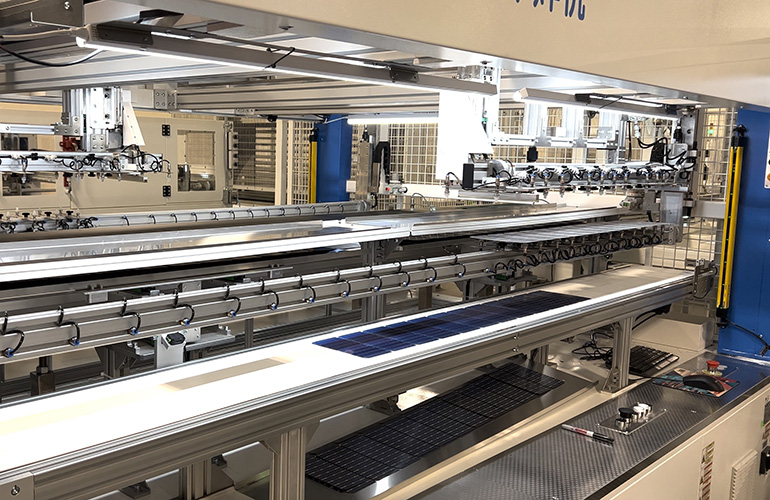
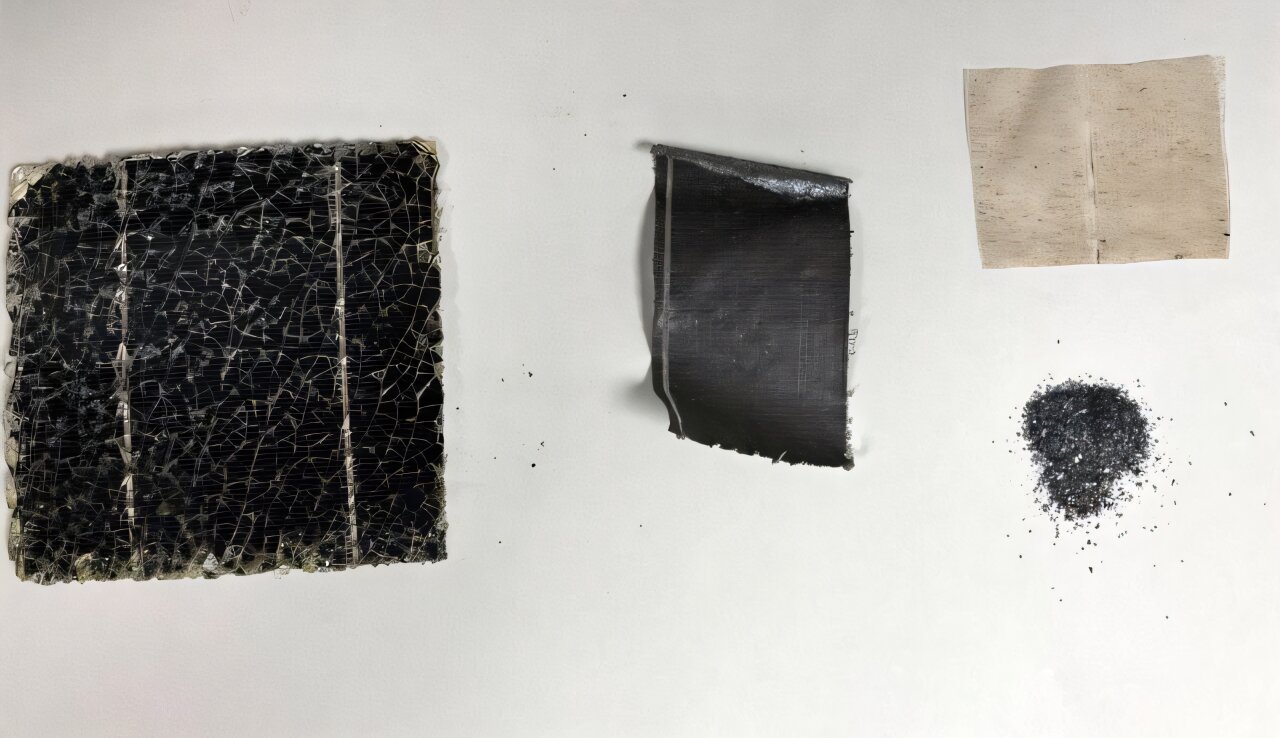
A new, more energy-efficient method of recovering valuable metals from solar panels at the end of their lives is gearing up to make its way to market. Researchers from the University of Glasgow have developed a way to use lasers to recover almost all of the silver and silicon contained in solar panels destined for the scrapheap using a fraction of the energy required by conventional processes.
Now, they are teaming up with Glasgow-based company Watt Laser Ltd. to explore the possibility of making the pioneering new technique commercially available.
The partnership could help tackle one of the key problems caused by the rapid adoption of solar panel technologies around the world, as the costs of building and buying panels have plummeted in recent years.
Although the solar boom has enabled the global capacity of solar generation to climb to 3 terawatts, the panels are generating an increasing amount of electronic waste as they reach the end of their lives. More than a million metric tons of waste are expected to be created by 2030, rising to more than 200 million metric tons by 2050.
05% of their weight but represent two-thirds of their scrap value, are recovered using energy-intensive processes. The metals are held in place in the panels using a very strong polymer called EVA, which keeps them sealed for up to two decades and beyond but requires heating to between 450 and 600°C or soaking in toxic chemicals to crack open the seal again to recover the valuable materials.
Source link