General Motors has built new electric vehicle batteries using cathode materials containing 100 percent recycled nickel, cobalt and manganese recovered from old EV batteries.
The automaker completed the closed-loop recycling pilot with battery recycler Cirba Solutions and other partners. The project took critical minerals from end-of-life GM battery packs, processed them, and returned them to the supply chain for use in new battery cells.
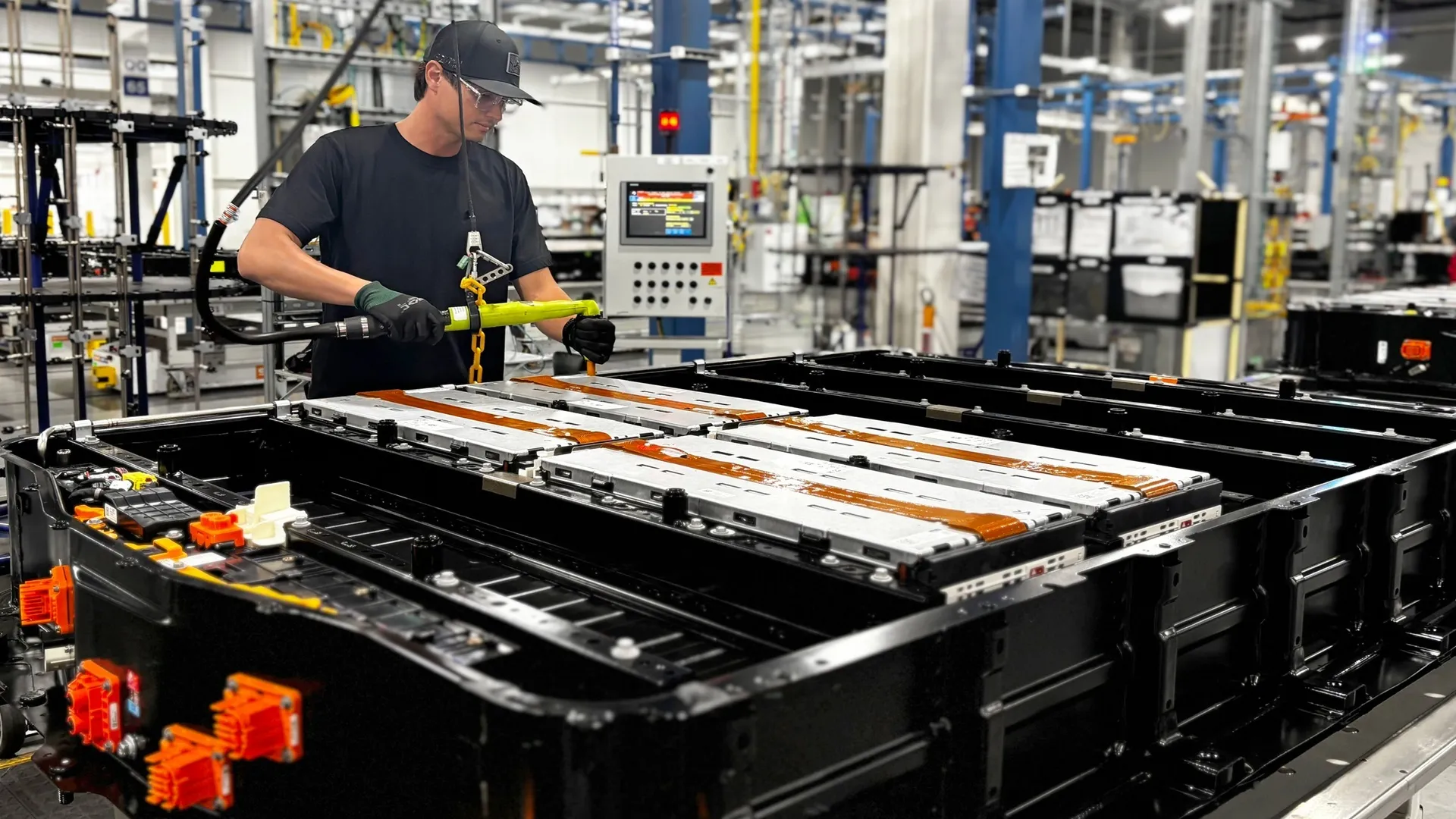
The resulting cells were produced by Ultium Cells, GM’s joint venture with LG Energy Solution. GM then assembled the cells into battery modules and packs at its Factory ZERO and Spring Hill plants.
The first vehicles powered by batteries containing the recycled cathode materials rolled off production lines this month and are now headed to customers, according to the companies.
The process began with Cirba Solutions disassembling end-of-life GM EV battery packs and sending the recovered material to its lithium-ion battery recycling facility in Ohio.
There, the batteries were shredded and processed into Black Mass, a concentrated material containing valuable minerals recovered from lithium-ion batteries.
Producing Black Mass, however, was only part of the process. Nickel, cobalt and manganese used in new cells have to meet battery-grade specifications regardless of whether they come from newly mined or recycled sources.
The recovered material was therefore further refined and validated before being turned into new cathode active material, or CAM. The resulting CAM contained 100% recycled nickel, cobalt and manganese.
“This pilot shows that the value of an EV battery can extend well beyond its first life – and that strong partnerships across the battery ecosystem are essential to building a more circular, resilient future for battery technology,” said Melissa Flaherty, Director of Sustainable EV Battery Ecosystem at GM.
Source link