Effective scheduling of materials, workers and equipment can have a major impact on utility-scale solar building costs.
Schedule predictability has become one of the industry’s most valuable commodities. What keeps builders up at night is timing, whether the project will connect when the interconnection agreement says it will, and whether everything between groundbreaking and commercial operation will stay within its schedule.
Shortages of items such as main power transformers, medium-voltage switchgear, collection system materials, storage enclosures, and their controls are impacting timelines.
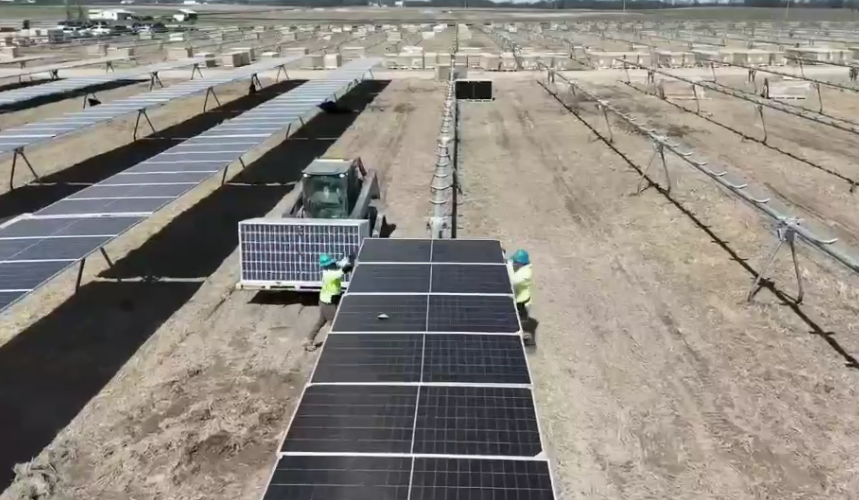
There are projects where the modules were staged and ready months before the equipment needed to generate and distribute power showed up. On a project in California’s Central Valley, the main power transformer landed roughly 12 weeks behind its original promised date. The modules were already staged and the DC field was tracking ahead.
Rather than let the whole site stall, the team re-sequenced, pushing hard on the DC blocks, collection system, and inverter pads that didn’t depend on the transformer, and holding the connection-related work until the gear arrived. It kept the crews productive, but it also meant compressing commissioning into a much tighter window than anyone wanted once the transformer finally showed up. When that happens, you lose entire weeks at the worst possible time, right when commissioning and interconnection are supposed to start, and there’s no float left to absorb it.
The teams handling this well aren’t doing anything magic. They are procuring the long-lead electrical equipment absurdly early, often before the design is fully locked.
Source link