This article has been reviewed according to Science X's editorial process and policies. Editors have highlighted the following attributes while ensuring the content's credibility:
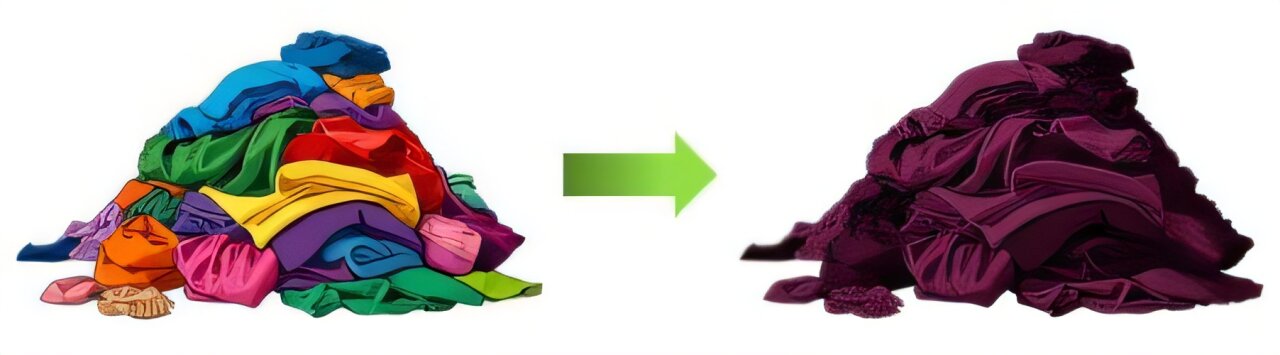
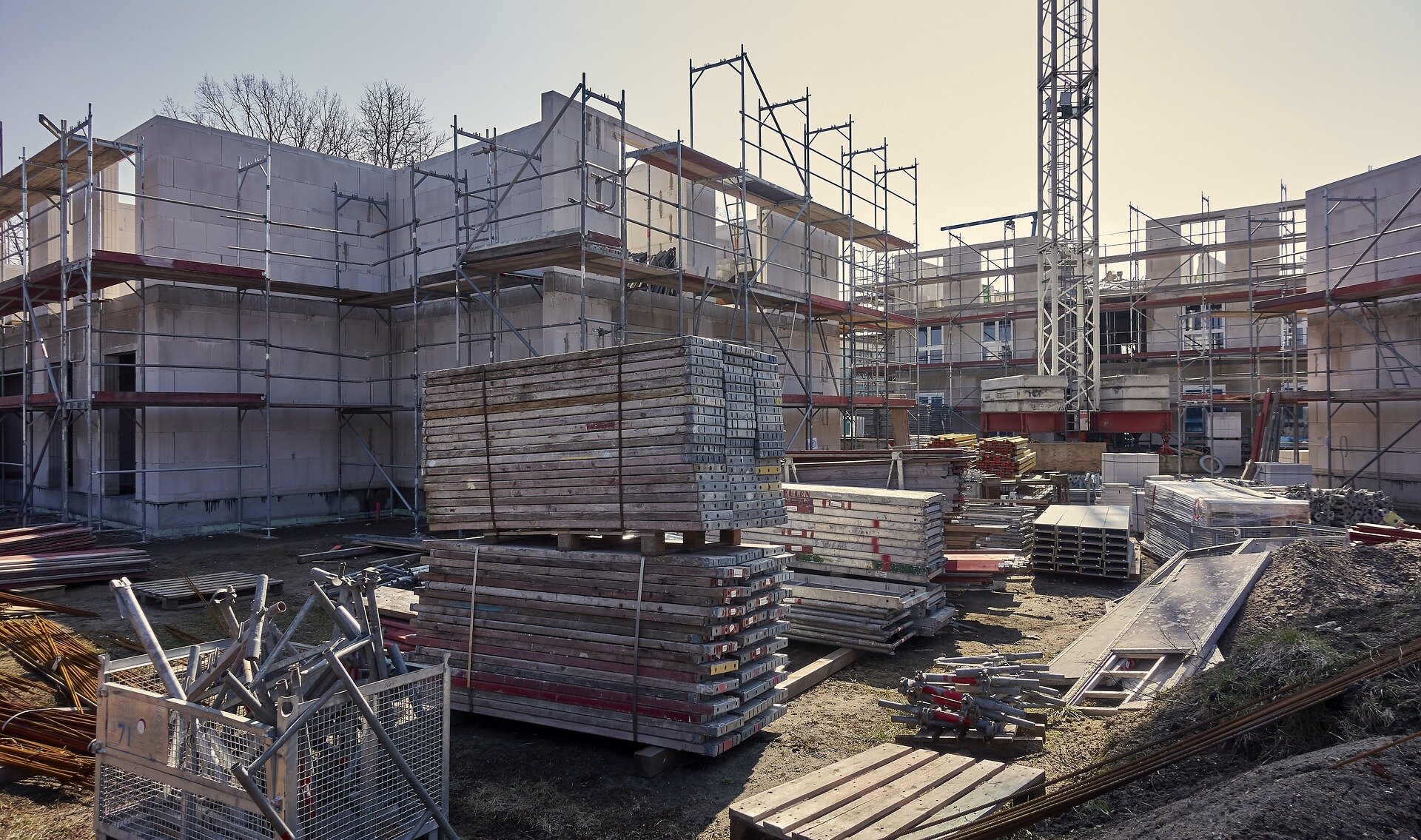
Research led by Trinity, in partnership with Gannon Eco and McGrath Quarries, is transforming "red mud," an industrial byproduct, into a high-performance, low-carbon construction material. The team is now moving from laboratory development to real-world industrial trials.
Bauxite refining residue, commonly known as red mud, is the principal waste generated from alumina production. Supported by Enterprise Ireland's Innovation Partnership Programme, the initiative is testing the commercial viability of substituting conventional, high-emission cement with sustainable alternatives.
The initiative was showcased as a featured project at the Enterprise Ireland Construction Materials Forum this summer, and the team recently shared findings at an Innovation Partnership Workshop at Trinity.
Led by professor Sara Pavia, alongside Dr. Zehao Lei and doctoral researcher Yingjie Pan from Trinity's School of Engineering, the team is exploring multiple pathways to integrate bauxite refining residue into structural concrete.
Pavia, PI and academic lead at Trinity (pictured left), said, "This project demonstrates that with rigorous science and industry collaboration, we can transform this byproduct into a high-performance structural material. We are not just reducing the carbon footprint of concrete; we are actively building a circular economy."
The first route uses the residue as a supplementary cementitious material (SCM). Laboratory testing has demonstrated that replacing 20%–30% of conventional portland cement with bauxite residue achieves a compressive strength comparable to standard reference concrete.
The second, more transformative route develops a "one-part geopolymer," which is a dry binder combining the residue with other sustainable ingredients.
Source link