Fraunhofer ISE said it has cycled 25 Ah pouch cells with silicon-rich anodes more than 1,000 times, with the cells retaining over 83% of their original capacity at a cell-level gravimetric energy density of 280 Wh/kg.
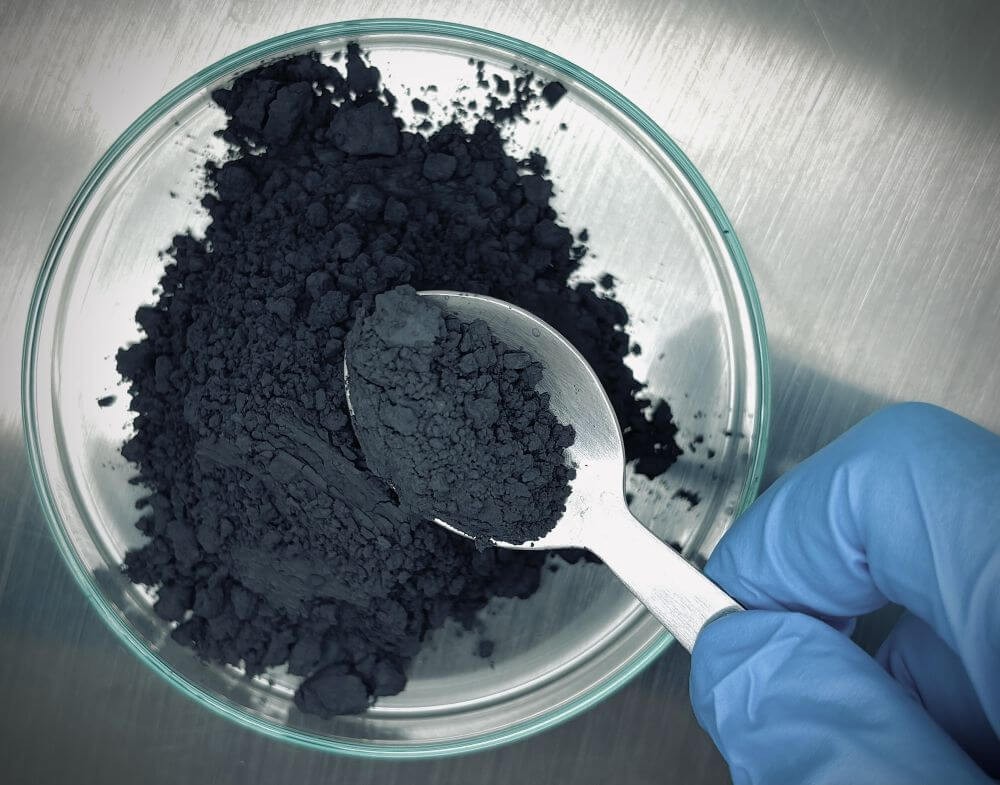
The 40-layer cells were built on a semi-automatic production line in the cleanroom of the institute’s Center for Electrical Energy Storage in Freiburg, Germany, using commercially available electrode foils. They pair a silicon-carbon/graphite anode with a nickel-rich nickel-manganese-cobalt (NMC) cathode. The silicon-carbon composite made up 51% of the anode active material, and the anodes reached a specific capacity of more than 1,000 mAh/g and an areal capacity of more than 5 mAh/cm².
“Cycle life is one of the key hurdles to the widespread industrial use of silicon-rich anodes,” said Lukas Dold, team leader for battery materials technology and scaling at Fraunhofer ISE. “More than 1,000 cycles with a capacity retention of at least 80 percent is considered an important performance target here.”
The cell-level 280 Wh/kg was achieved in the institute’s non-optimized PrecISE research cell format. Dold said an industrially optimized pouch format is expected to reach about 330 Wh/kg.
The researchers cycled the cells at 1C at two axial contact pressures, 300 kPa and 1,000 kPa. The 83% retention figure applies to cells held at 1,000 kPa.
“At a lower contact pressure of 300 kPa, a significantly greater decline in usable capacity over time is observed, particularly during 1C operation,” said Marc Kissling, group leader for battery cell production and technology evaluation.
Source link