The construction of gigawatt-sized solar farms could be transformed by adopting four technical innovations, according to research by Lightsource bp.
The UK-headquartered independent power producer (IPP) has shared findings from the investigation phase of its NextGen Solar Programme, which is reviewing how gigwatt-scale solar farms are built.
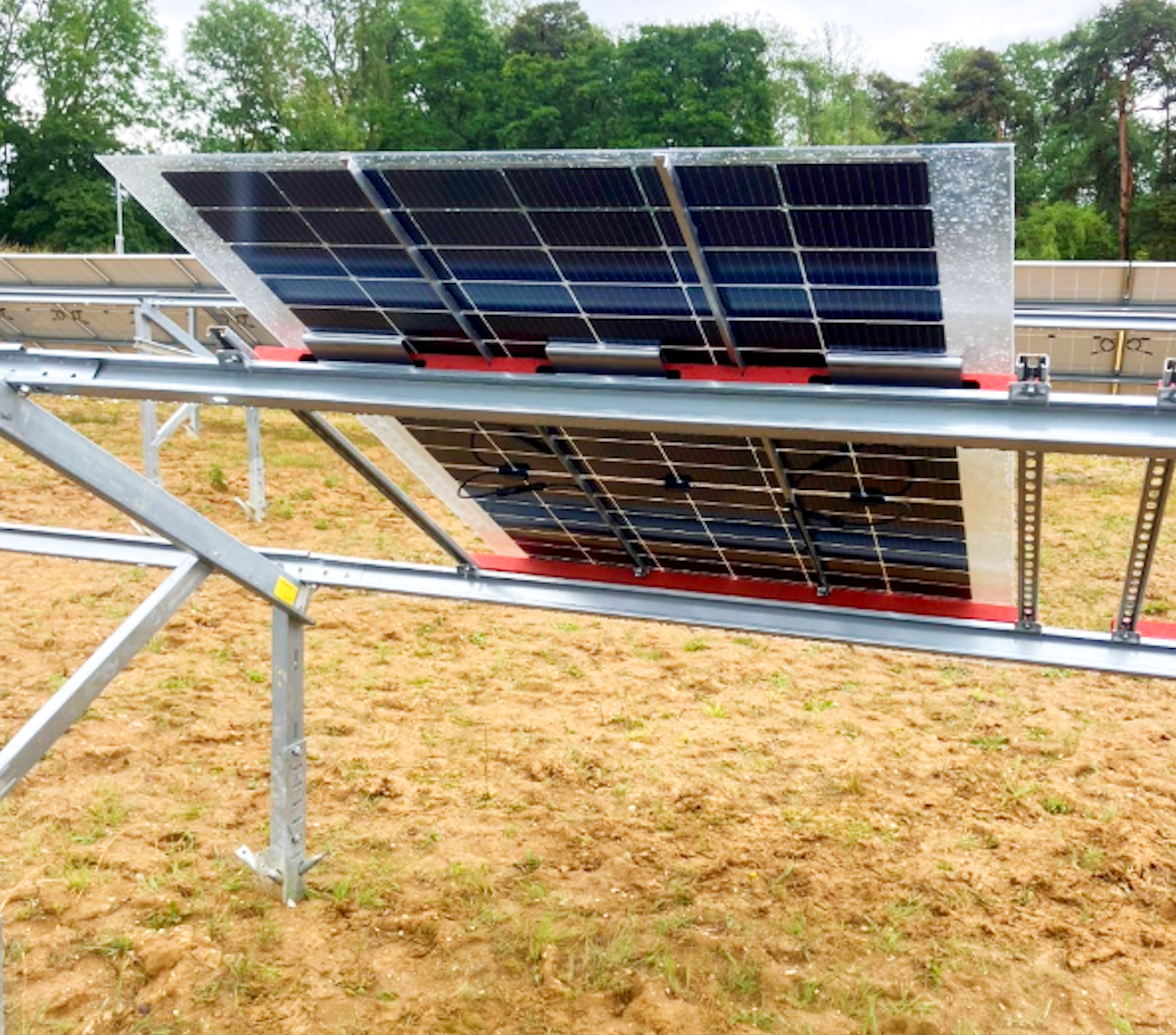
The programme is exploring how four areas of innovation – automated foundation piling, a frameless panel design that uses steel rather than aluminium, press-fit bolt-free module installations, and on-site pre-assembly – can reduce the costs and time required to construct gigawatt-sized solar farms.
Results from the initial investigation found combining these four construction innovations could cut direct installation costs by around 22% and reduce installation time by up to 30%, when compared with current standard practice.
Chris Buckland, Global Technical Director of Lightsource bp, told pv magazine the analysis is based on assessment of “newly-developed solar industry offerings from China, Europe and Northern America, with a focus on automation and novel installation method.”
Buckland added that a construction approach combining the four innovations is intended for large-scale PV development from 2028 onwards.
“It remains at the development stage but is expected to become relevant to major projects over the next three years,” he explained. “We plan to run trials in Australia and the United States to validate supplier data points and support technical assessment and bankability, with initial results targeted within the next 18 months.”
5%. Automated piling replaces manual pile driving, it adds, in turn lowering costs and improving consistency while also potentially reducing the risk of injury to site workers.
Source link