Smart telescopes automate much of the process of finding, tracking, and imaging celestial objects, while traditional telescopes require more hands-on control.
The two approaches develop different skills, from manual tracking and sky navigation to image capture and basic astrophotography
The right choice depends on the beginner's budget, preferred targets, observing conditions, and interest in hands-on astronomy.
A telescope can reveal the universe. However, the experience depends on how much work a person wants to do. A traditional telescope puts the observer in charge. They find the target, focus it, and track it by hand.
A smart telescope hands that work to software, cameras, and automated tracking. The real difference is not just technology. It comes down to control, learning, and the kind of astronomy a beginner wants. This trade-off matters before picking a first telescope.
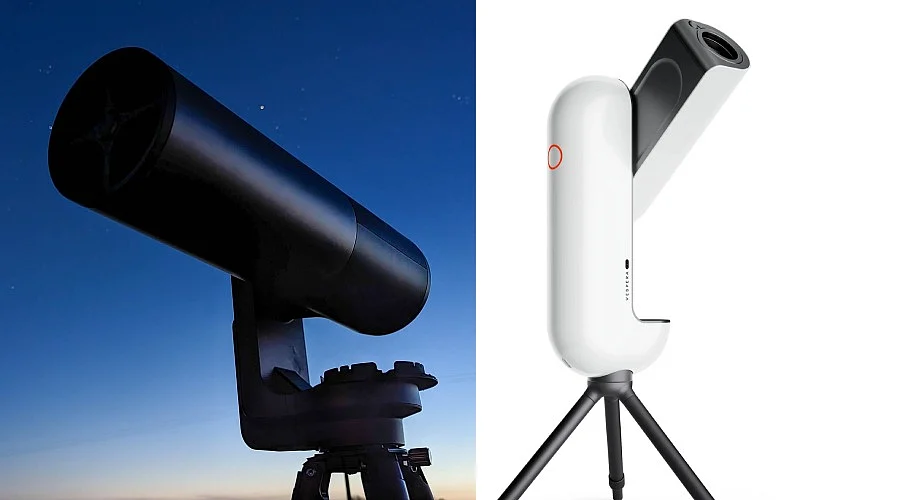
The hardest part of stargazing is often not looking up but finding the right target. Smart telescopes take much of that work off a beginner's hands. They combine an optical system, camera, motorized mount, and companion app to locate and track objects in the sky. Depending on the model, software can combine several exposures to bring out more detail in faint objects. Many rely on a screen instead of an eyepiece, cutting down manual steps before the first observation.
A traditional telescope puts the beginner right behind the controls. With a manual refractor or reflector, the user aims the tube, adjusts the focus, and uses a finder scope or star chart to find a target.
Source link