China’s western Inner Mongolia power grid has surpassed 20 GW of operational new-type energy storage capacity, as rapid growth in wind and solar generation increases the need for flexible electricity resources.
According to data released by Inner Mongolia Power Group on October 28, the grid had 20.23 GW/70.47 GWh of operational storage capacity as of October 27, accounting for 11.5% of its total installed power capacity. The figures imply an average nominal storage duration of approximately 3.5 hours.
New installations reached 6.555 GW during the first ten months of 2026, up 47.9% year on year, supported by the commissioning of several large independent storage projects, including facilities in Wuchuan and Baotou.
The western Inner Mongolia grid, also known as the Mengxi grid, is operated by Inner Mongolia Power Group and serves eight prefecture-level areas in central and western Inner Mongolia. It operates separately from the eastern Inner Mongolia grid, which is managed by State Grid.
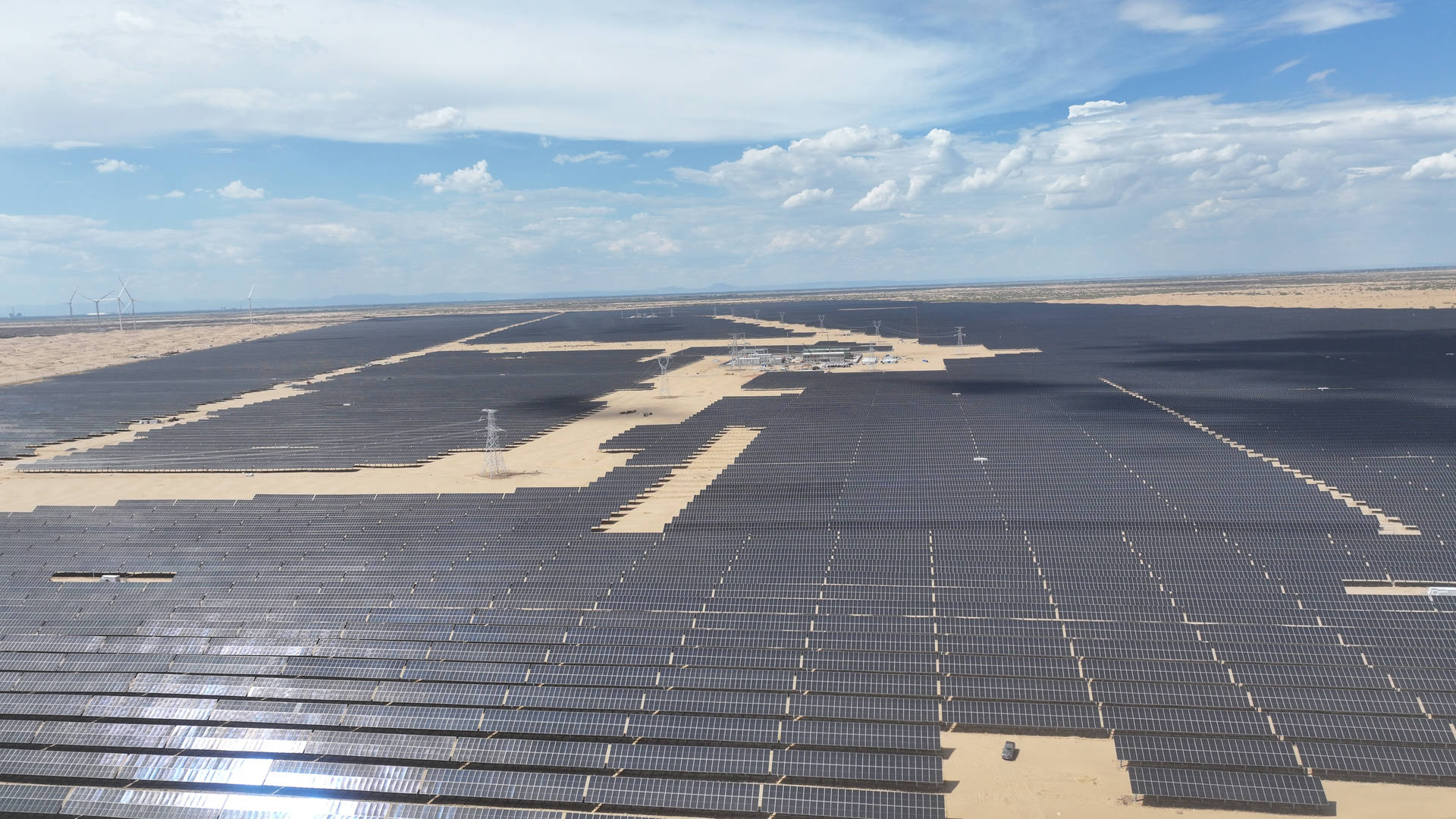
Wind and solar power account for nearly 60% of the Mengxi grid’s installed generation capacity, making the region an important test case for operating power systems with high renewable penetration.
On October 22, renewable generation on the grid reached a record 720 GWh, representing 60.2% of total electricity generation that day. Wind power contributed 560 GWh, also setting a daily record.
The increasing role of energy storage is reflected in operational data. 04 TWh, respectively, by October 27, with both increasing by more than 400% year on year.
Source link