This article has been reviewed according to Science X's editorial process and policies. Editors have highlighted the following attributes while ensuring the content's credibility:
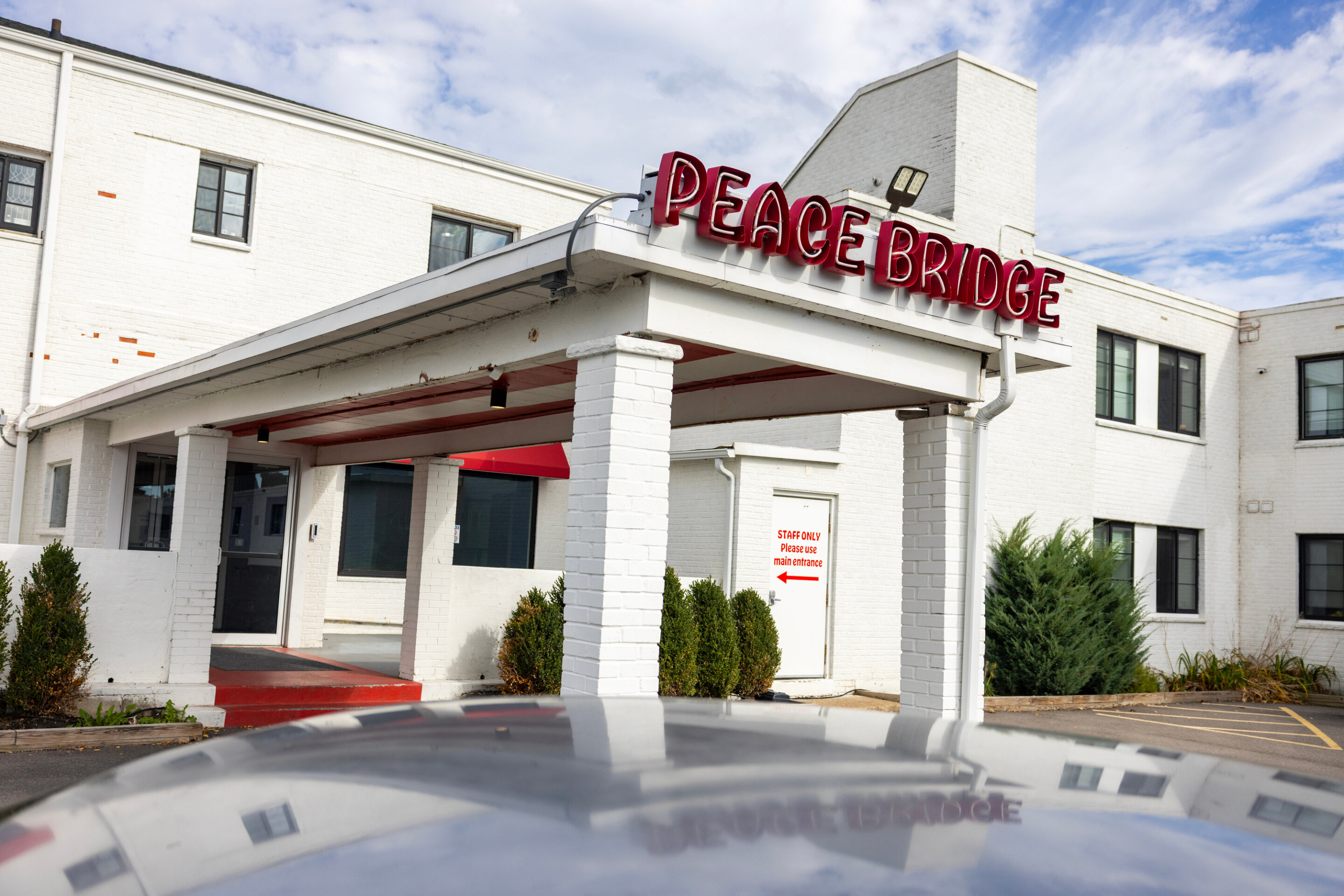
A battery system installed in a Buffalo, New York, apartment building will store excess energy when it's plentiful and power the building when the grid is strained and electricity is costly. The manufacturer and state officials hope it will show that larger batteries can safely operate where people live and work.
The 3.75 megawatt-hour lithium-ion battery system, which can power the Peace Bridge Place affordable housing complex for several days, is among the largest battery systems in a U.S. residential building, manufacturer Viridi and developer Good Carbon Co. said Tuesday.
"We want our electric power to be resilient, affordable and available. Distributed battery storage accomplishes all three," Viridi CEO Jon M. Williams said. "The only thing that has been holding up installations at scale is safety; a lot of the products on the market over the last 10 years have burned things down."
Deploying large batteries that can safely power apartment buildings is an important step toward replacing fossil fuels with renewables, experts say, but they're uncommon because of the cost and concerns about fire risks. Already, larger batteries are paired with solar and wind projects, and homeowners are using smaller batteries to store excess energy from rooftop solar and for backup power.
Batteries help maintain a steady flow of power when sources such as solar and wind are not producing. They charge when the sun is shining or when wind is blowing.
Source link