California, the state with the most installed solar capacity in the country, has spent years trying, but still doesn’t have a community solar program. That means residential solar and storage systems are often still only accessible by the affluent, and low-income residents and renters continue to experience the country’s second-highest electricity rates without any self-generated relief.
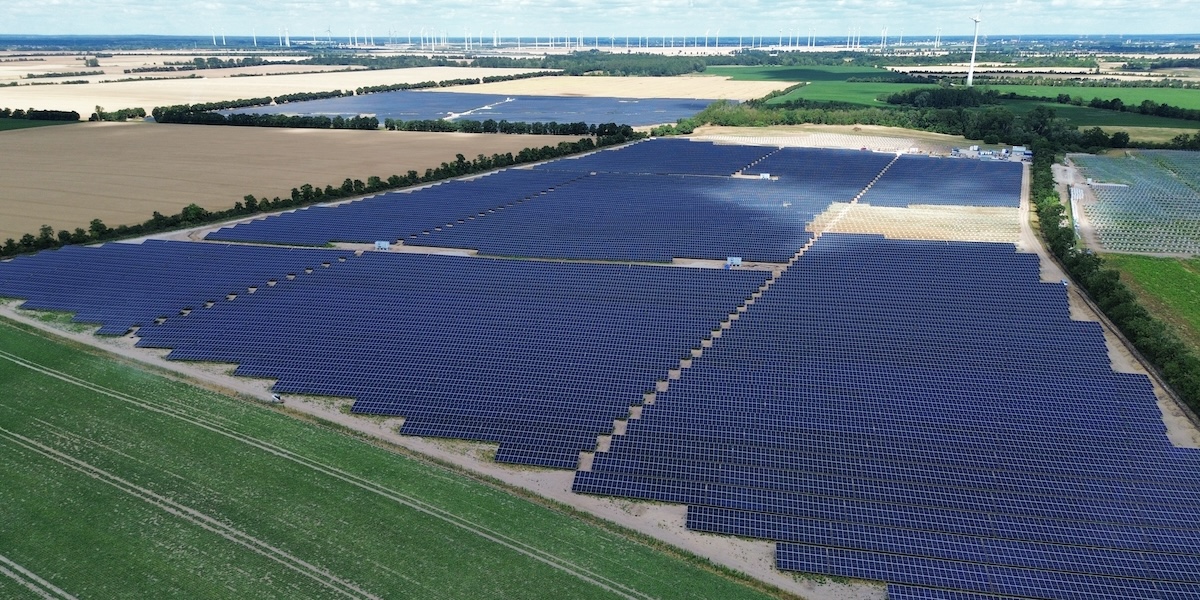
Community solar, where locally-sited solar projects are shared by multiple community subscribers who receive credits on their electricity bills for their share of power produced, offers an option for utility users to access the benefits of solar when they can’t support an installation on their own home or business. Community solar programs expand access to the renewable energy source, with special support often made for low-to-moderate income customers, while building a more distributed and resilient electric grid.
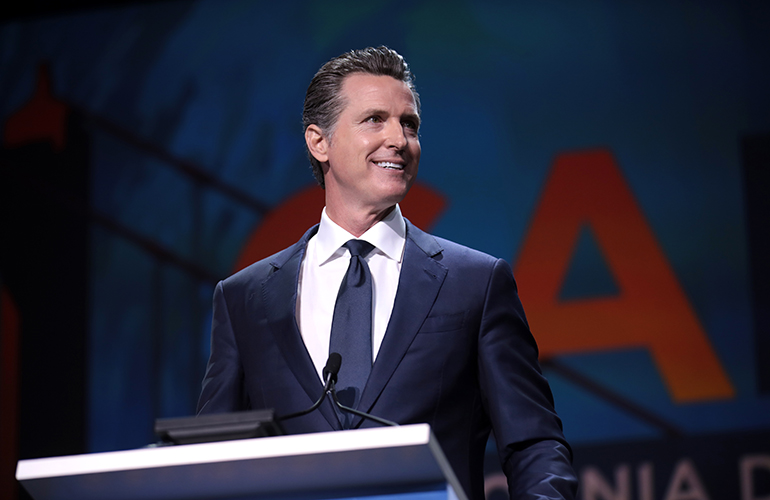
Despite the California Legislature mandating that the state create a community solar program in 2022, nothing yet has been established. Solar and community advocates have been battling with the California Public Utilities Commission (CPUC) and investor-owned utilities to establish a working community solar market, but talks have reached a stalemate. Outgoing Gov. Gavin Newsom vetoed the latest community solar legislation in September, and the state continues to lose out on this new solar market development.
In 2022, Newsom signed AB 2316 into law, which aimed to create a community renewable energy program that would support both solar and storage projects.
Source link