Brazil’s independent power producers are calling for a regulatory framework for BESS and clearer rules for renewable energy curtailment as part of an agenda for the country’s 2027-2030 government cycle.
The Brazilian Association of Independent Electricity Producers (APINE) presented six priorities to presidential candidates, including technical criteria for managing generation restrictions, transmission expansion and measures to improve investment predictability in the power sector.
APINE wants transparent rules covering curtailment caused by both transmission constraints and periods of excess electricity supply.
In an article published by the association in September, APINE President Rui Altieri cited data from Brazil’s National Electric System Operator (ONS) showing that average restrictions on wind and solar generation reached 3,629 MW between January and July 2026, equivalent to 19.3% of the potential generation of affected plants. The figure was 16.8% over the same period in 2025.
APINE linked the increase in curtailment to the need to align power system infrastructure with the expansion of renewable generation.
The association is also calling for modernized transmission expansion planning, additional grid capacity and faster environmental licensing for strategic transmission projects.
It wants power prices and tariffs to better reflect hourly and locational system conditions, while also seeking greater regulatory and legal certainty for existing contracts and new investments.
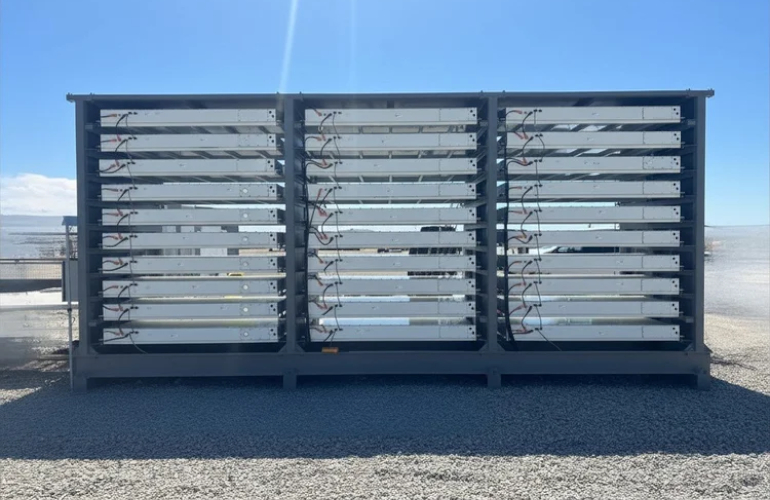
APINE is proposing a regulatory framework covering both large-scale battery energy storage systems and reversible hydropower plants.
The association also supports Brazil’s first energy storage auction, with the costs of contracted storage services allocated among the market participants that benefit from them.
Source link