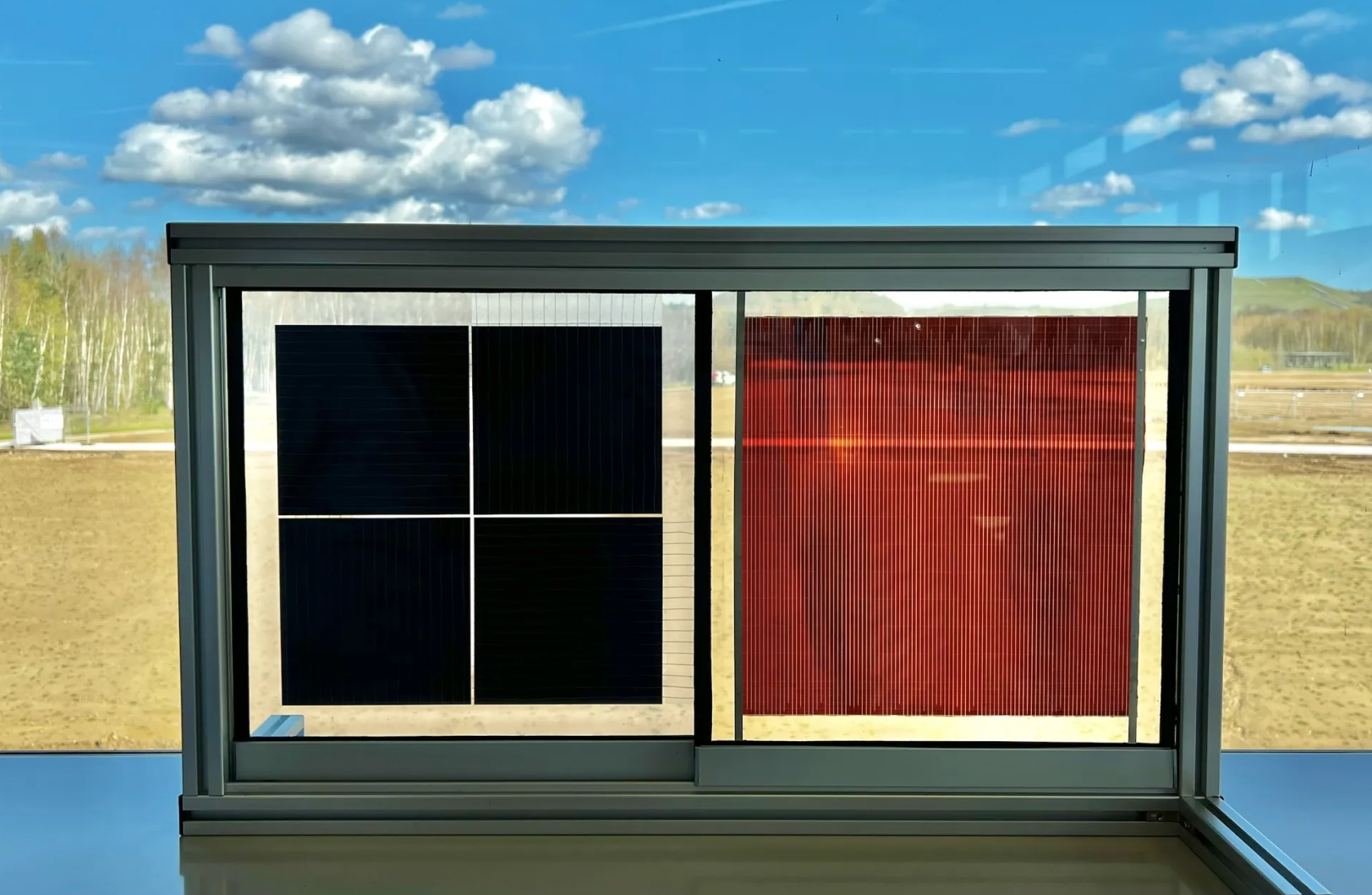
Noak, a new spin-off from Leuven-headquartered research and development hub imec and Hasselt University (UHasselt), has raised €5 million ($5.6 million) in seed funding to scale and industrialise perovskite-silicon tandem solar technology.
The investment is provided by Belgium’s Helios Foundation, Limburg-based climate investment company Nuhma and V2HFin, a wholly-owned subsidiary of Flemish Energy Holding that invests in Flemish start-ups and scale-ups.
Noak builds upon imec and UHasselt’s intellectual property portfolio on perovskite-silicon tandem technology, which is underpinned by over a decade of research within the partners’ Institute for Materials Research at the university’s campus.
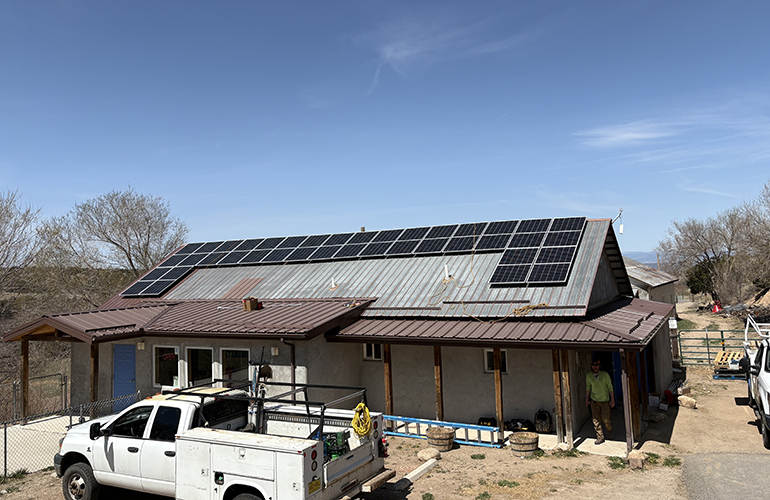
It centres around a perovskite layer stack, developed through proprietary chemical compositions and scalable deposition techniques. imec and UHasselt say they have accumulated five years of outdoor operation across over ten test sites on three continents, withstanding intense sunlight, heavy rain, extreme heat and sub-zero temperatures across Asia, Europe and North America.
“This extensive real-world dataset provides a strong foundation for Noak,” a statement released by the partners says. “Building on it, the next phase will focus on demonstrating long-term stability and performance at scale, key requirements for bankability and commercial success.”
The tandem cell architecture is complemented by Noak’s proprietary 3D woven back-contact foil, which integrates the electrical connections at the rear of the cell. The partners explains this eliminates the need for front-side metallisation, in turn reducing shading losses while supporting more efficient material use and easier recycling at the end of the module’s life.
Noak’s tandem can be subdivided into smaller sub-cells connected in series and parallel, which the partners add allows for design flexibility and enabling reductions in metal usage
Source link