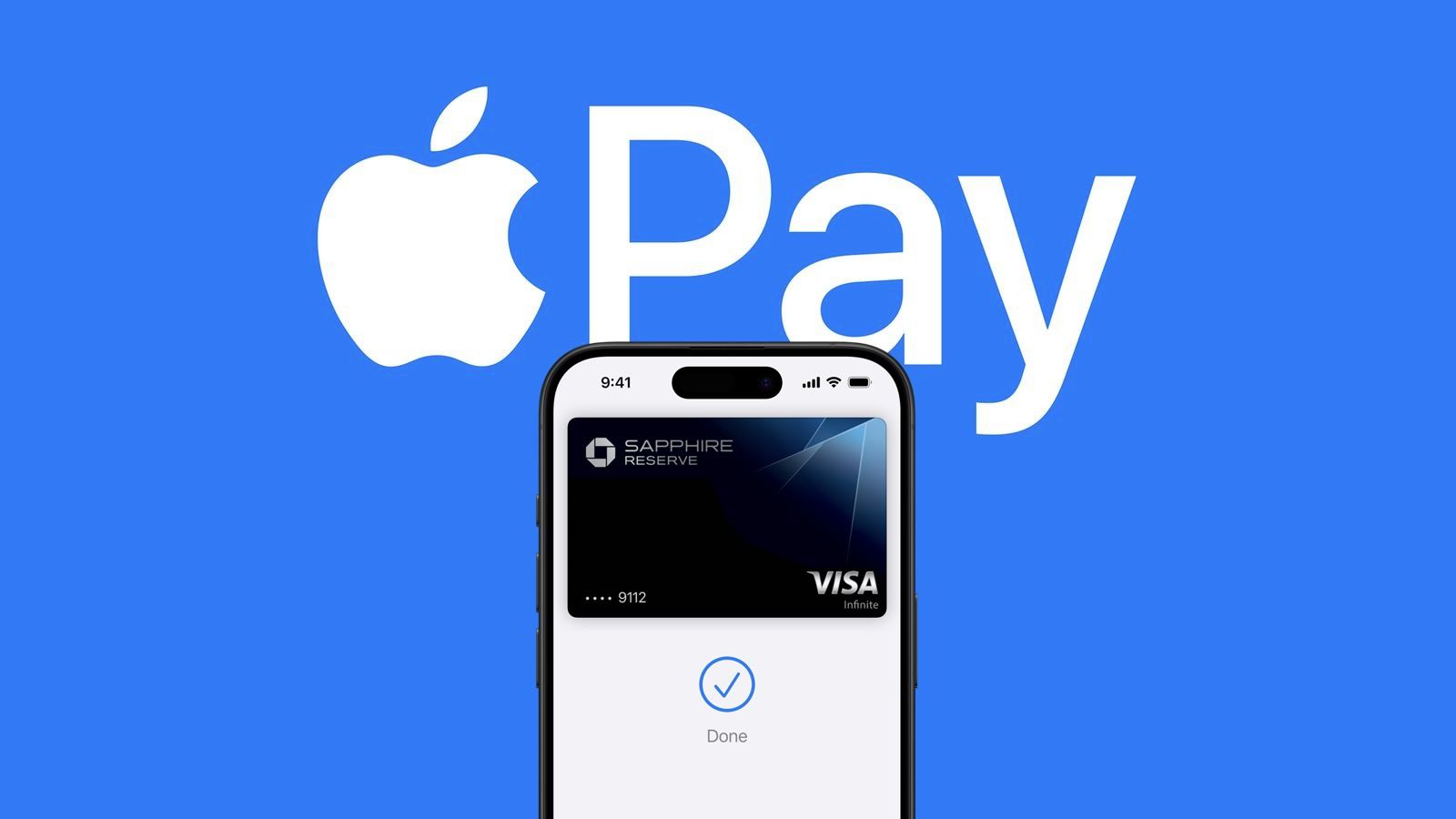
An antitrust lawsuit accusing Apple of blocking tap-to-pay competition is moving forward and will see banks and credit unions able to band together to sue Apple. S. District Judge Jeffrey White this week certified a class in the lawsuit. S. entities that issued any payment card enabled for Apple Pay and paid Apple a fee for Apple Pay transactions on that payment card. He also denied a motion from Apple to exclude expert testimony that plaintiff attorneys allege offers proof Apple has monopoly power over the mobile wallet market. First filed in 2022, the suit claims Apple illegally collects up to $1 billion annually in fees by preventing rivals from accessing the iPhone's NFC chip to build mobile wallets that would compete with Apple Pay. 15 percent fee for credit cards and half a cent for debit cards, according to the lawsuit. 50 from the card issuer. The complaint alleges that Apple forces card issuers to pay fees by making Apple Pay the only tap-to-pay option. It points to Google's Android, which supports multiple wallets and does not collect a fee from card issuers for contactless payments. It suggests Apple would not be able to continue to charge "substantial fees" if it were forced to support other mobile wallets on Apple devices. Apple has changed its policies since the lawsuit was filed. 1 , developers are able to offer NFC contactless payments in their apps. Developers have access to the NFC chip in the United States, Canada, Australia, Brazil, Japan, New Zealand, the UK, the European Economic Area, and many other countries.
Source link