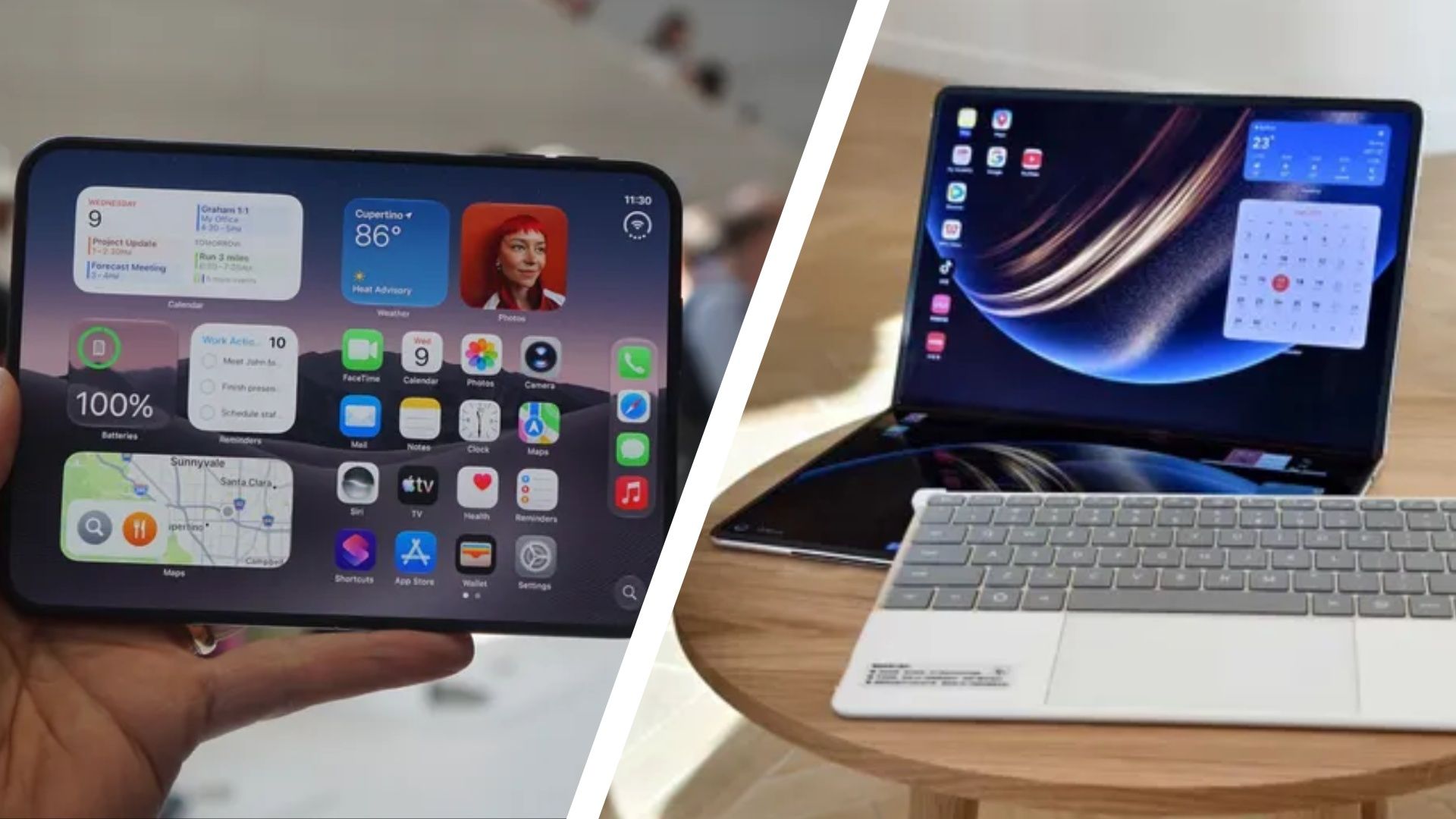
With the introduction of the iPhone Duo, U.S. smartphone customers can now choose from seven contemporary folding smartphones, including one from Google, two from Motorola, and three from Samsung.
The number of laptops with foldable screens ever produced is far fewer: one each from Asus, Huawei, HP and two from Lenovo.
While the Galaxy Z Fold and Z Flip have entered an annual upgrade cycle for Samsung, the foldable-screen laptop pipeline has been quiet. The most recent - Lenovo’s ThinkPad Fold 16 Gen 2 - hit the market in November 2023, more than a year after its unveiling.
Surely, we haven’t seen the last of laptops with foldable screens, but a range of structural, technological, and economic issues have conspired to keep folding laptops from becoming more mainstream
At their launches, foldable-screen laptops were among the most expensive in their line-ups. The Asus Zenbook 17 Fold OLED launched at $3,500 in 2022. A year later, the HP Spectre Foldable PC launched at $5,000, about 2.5x the price of a Galaxy Z Fold Ultra.
Obviously, anyone spending this much is going to demand performance, including substantial RAM and flash storage, the two components that have seen their prices skyrocket during the AI data center-fueled 'RAMpocalypse'. While PC vendors can eat a bit of margin on such high-end products, it’s reasonable to assume that successors launched today would require untenable prices.
On the other hand, it’s been more difficult for vendors to justify the premium because of the lack of a “device-class” jump.
Source link