Over the past few years, the tech industry has rushed to plug a new microchip into every device on the assumption that if you can add AI, you should. Smart vision toothbrushes, mood-reading household robots, and a host of physical products are invading consumers’ daily lives, reliant on artificial intelligence to learn, predict, and adjust our behavior.
But as anyone who’s struggled to update the firmware in their fridge knows, AI doesn’t improve every product. Some product designers are asking where the line is between genuine innovation and a solution looking for a problem.
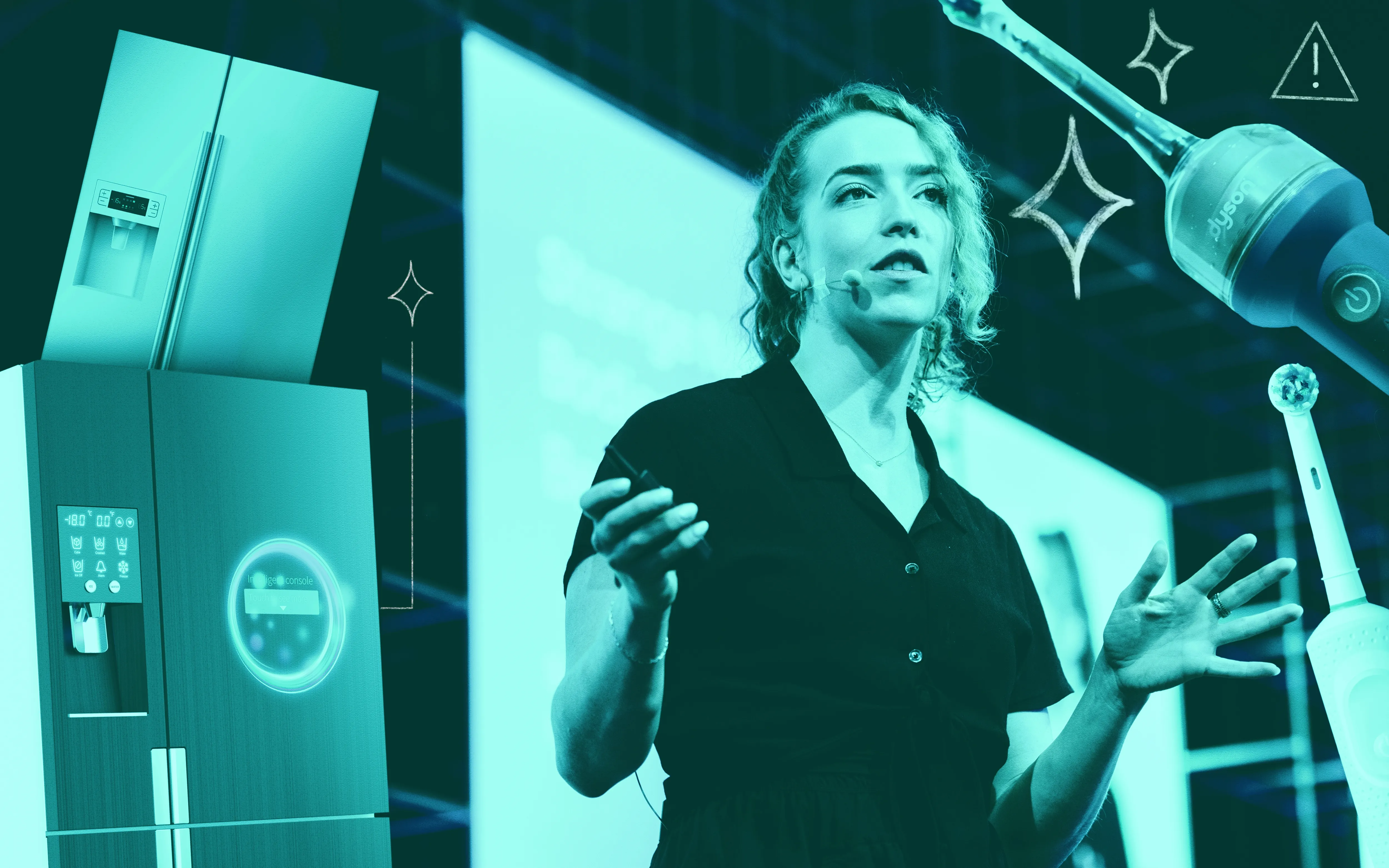
Savannah Kunovsky leads a team of industrial product designers at Ideo, a design consultancy based in San Francisco focused on helping clients unpack when AI becomes a barrier rather than a breakthrough.
Kunovsky spoke with IEEE Spectrum about the pressure to integrate AI in everything, where that integration goes wrong, and what companies can do to determine when an AI integration is—and isn’t—a smart choice.
How much of the current wave of AI integration into physical products is driven by pressure from investors and shareholders to keep up with industry trends?
Savannah Kunovsky: Some of it. Teams come to us feeling pressured to show they’re doing something with AI, sometimes because a CEO has promised the board an “AI story” before the next earnings call, or a competitor has just launched an AI-powered version of their product.
In all cases, the first thing we do is step back and ask who the product is for and what they’re trying to do.
Source link