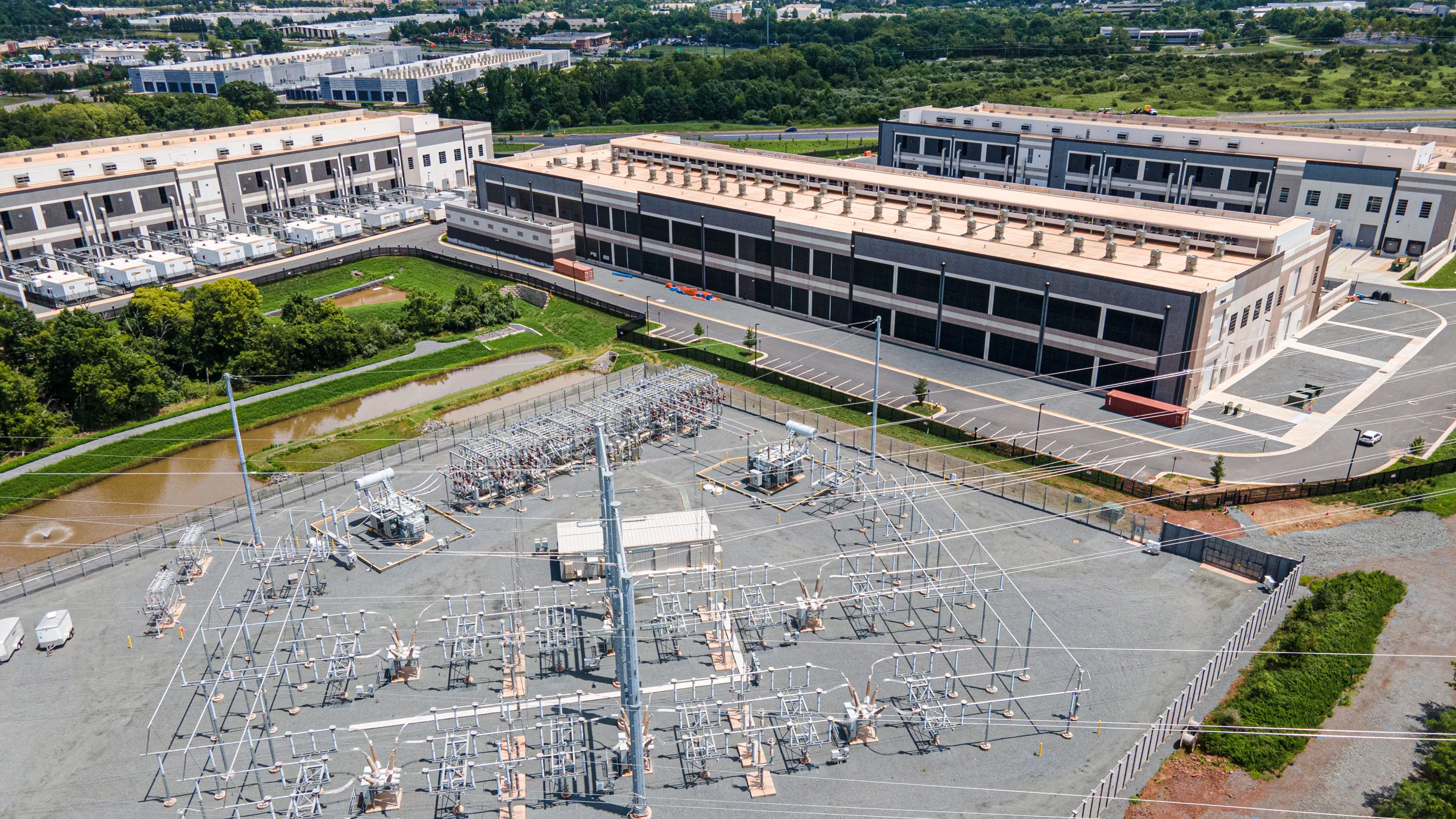
As voters went to the polls across the US last week, I was in Ashburn, Virginia, part of what’s known as Data Center Alley—the world’s largest data center hub. It’s also where the backlash now sweeping the country arguably first began taking shape.
Driving through it is surreal. Concrete monolithic buildings loom along every major road, with names like Skybox and CloudHQ.
It’s accepted wisdom in Big Tech that the war against data centers must be about something bigger than just data centers themselves. Two days after the midterms, OpenAI’s chief global affairs officer, Chris Lehane, wrote that data centers “have become a proxy for public unease about affordability, corporate power, and people losing control over their futures.” It’s a culture war, in other words.
But spending a few days in Data Center Alley left me wondering if it’s really the proxy that Lehane describes. I came away convinced that the data center backlash is more about electricity than Big Tech admits. The industry can improve its image, but it can’t escape the physical consequences of its enormous appetite for electricity.
Here’s why. There are two ways to power the sort of data center that AI companies want: connecting to the grid, or generating electricity onsite. In Virginia’s Loudoun County, where data centers are ubiquitous but have been built at a steadier pace than the breakneck expansion now underway elsewhere in the country, most are connected to the existing grid.
One facility I went inside, operated by Equinix, has massive diesel generators onsite for backup but gets its power from the local utility, Dominion Energy.
Source link