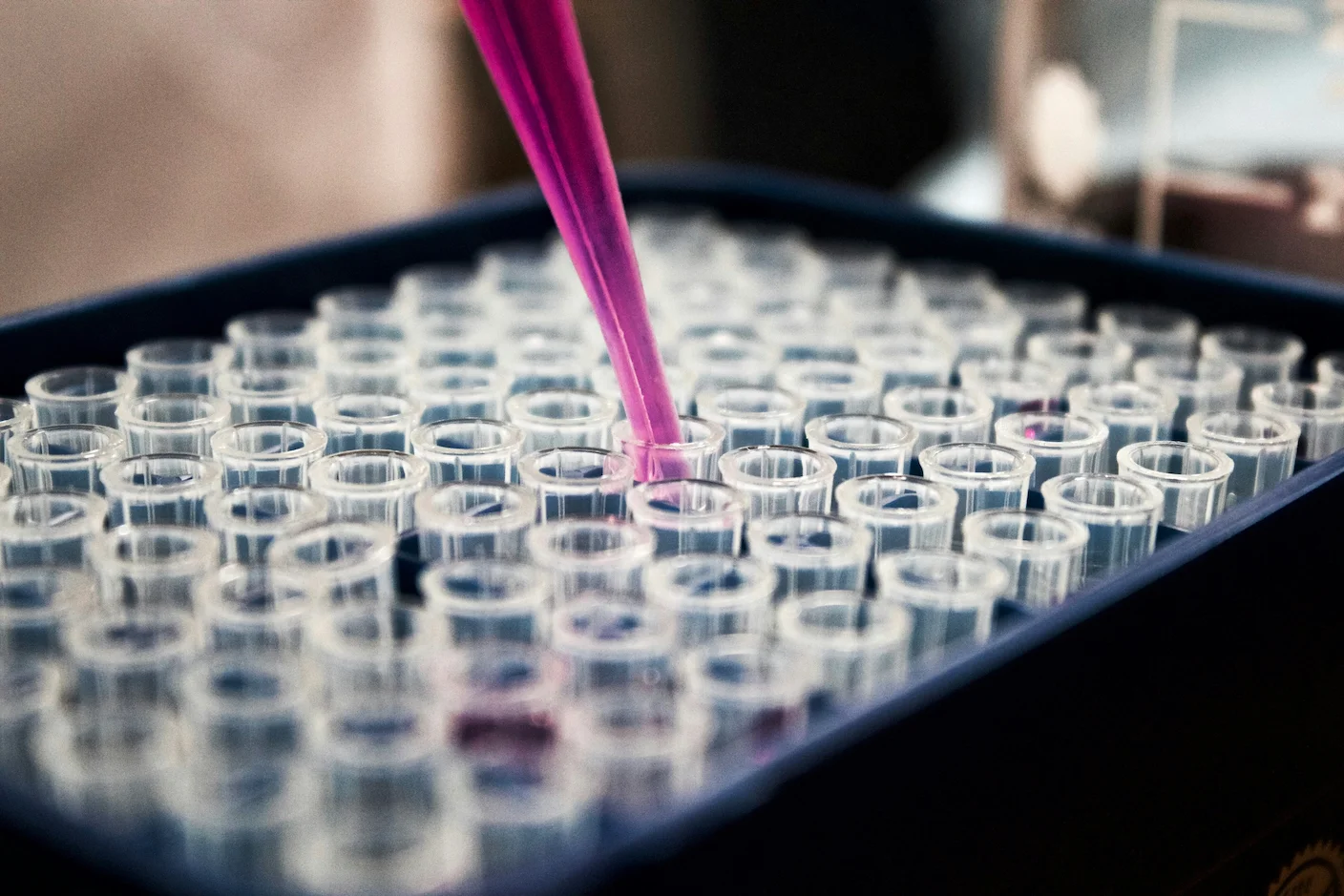
“Self-driving” labs could free scientists to analyze results, refine hypotheses, and brainstorm ideas.
With that one prompt, the AI lab got to work. One agent scoured scientific literature to devise a workflow. Another translated it into code to control robotic arms. Still more agents guided robots to transfer tiny amounts of reagents and operate DNA synthesis and sequencing machines.
In around 200 hours, the unusual lab, called AutoDNA, completed the entire read-write cycle with a level of precision similar to expert scientists. Humans popped in occasionally to empty trash cans and replenish supplies. But for the most part, AI agents took the wheel.
Much of chemistry and molecular biology relies on complex but repetitive tasks. A tiny slip-up can torpedo hours, if not days or weeks, of painstaking work. The long hours, physical demands, and sheer boredom eventually takes a toll.
Offloading repetitive workflows to “self-driving” labs could free up time for scientists to focus on the bigger picture: Analyzing results, refining hypotheses, brainstorming ideas, and networking with peers.
AI systems have already been “tremendously useful in science,” wrote James Zou at Stanford University, who was not involved in the work. But most focus on computational tasks. Hands-on experiments involving liquids, chemicals, and biological materials present new challenges.
Rather than retrofitting a wet lab designed for humans, the team from Shanghai Jiao Tong University in China built AutoDNA from the ground up with AI in mind. Guided by an AI “coordinator,” robotic arms can expertly operate over 20 types of common lab equipment, autocorrecting any small hiccups along the way.
Source link