As AI exposes flaws in IT systems and geopolitics plays out on the cyber frontline, some experts say the events of recent weeks could soon be a common occurence
Alex Pearce was doing the morning rounds at his fruit and vegetable wholesale business in London on Monday last week when he noticed something odd.
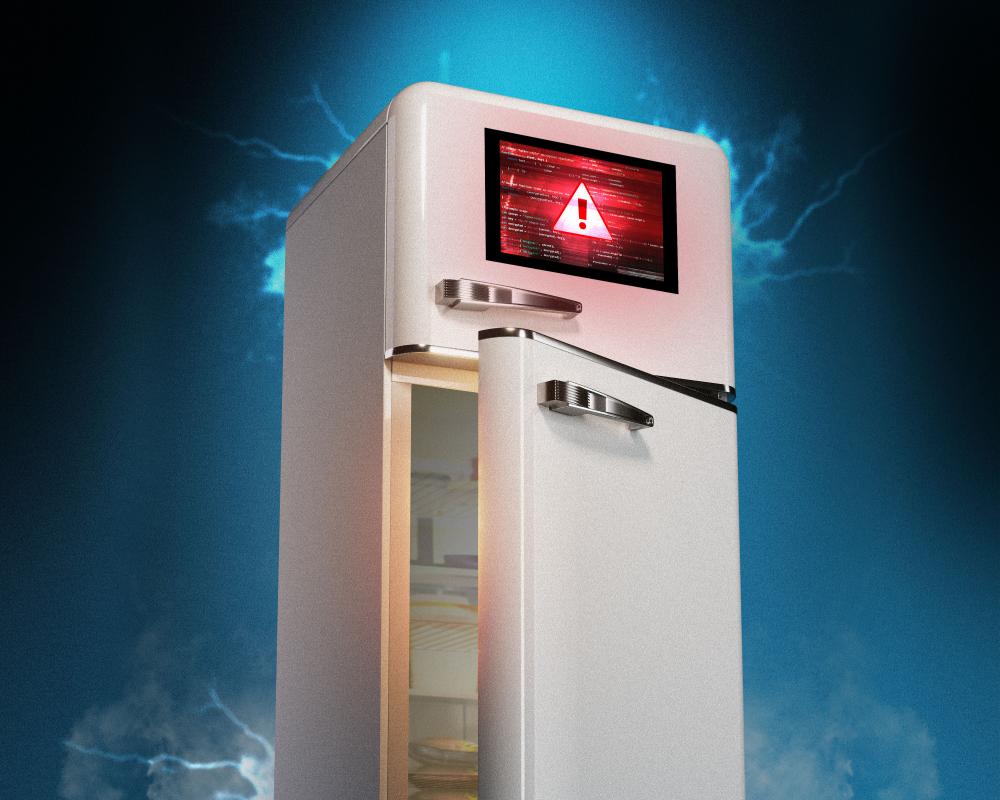
The defrost light on refrigeration unit 2 was on, and the panel reading was 150C. Unit 4 was the same.
As he approached his biggest unit, its defrost light also blinked on.
It was at this point that Pearce thought: is this a cyber-attack? He walked over to the box connecting the units to the internet and yanked out the cable.
On the same day, retailers in Belgium, Estonia, Ireland, Finland, Luxembourg, the Netherlands and Sweden reported similar problems, with refrigerators and freezers in some shops soaring to as high as 50C (122F).
“If it had happened on a Saturday morning, when I don’t tend to be here, it could ultimately have led to a fire,” Pearce said.
But it is not just Pearce and a disparate group of retailers, as well as French blood banks, that have been suffering.
The hacking attack was one of three over a number of days. On 30 October, the world’s largest cryptocurrency exchange, Binance, was robbed of $6.3bn (£4.7bn) in a record heist and on 1 November hackers targeted Ukraine’s emergency alert app, sending people in Kyiv a fake nuclear strike alert.
Source link