CONNECT WITH US
AI & Deeptech

AI & Deeptech

Memory In Physical AI

Semiconductor Engineering logo

Published on

Add as a preferred source on Google
Memory In Physical AI

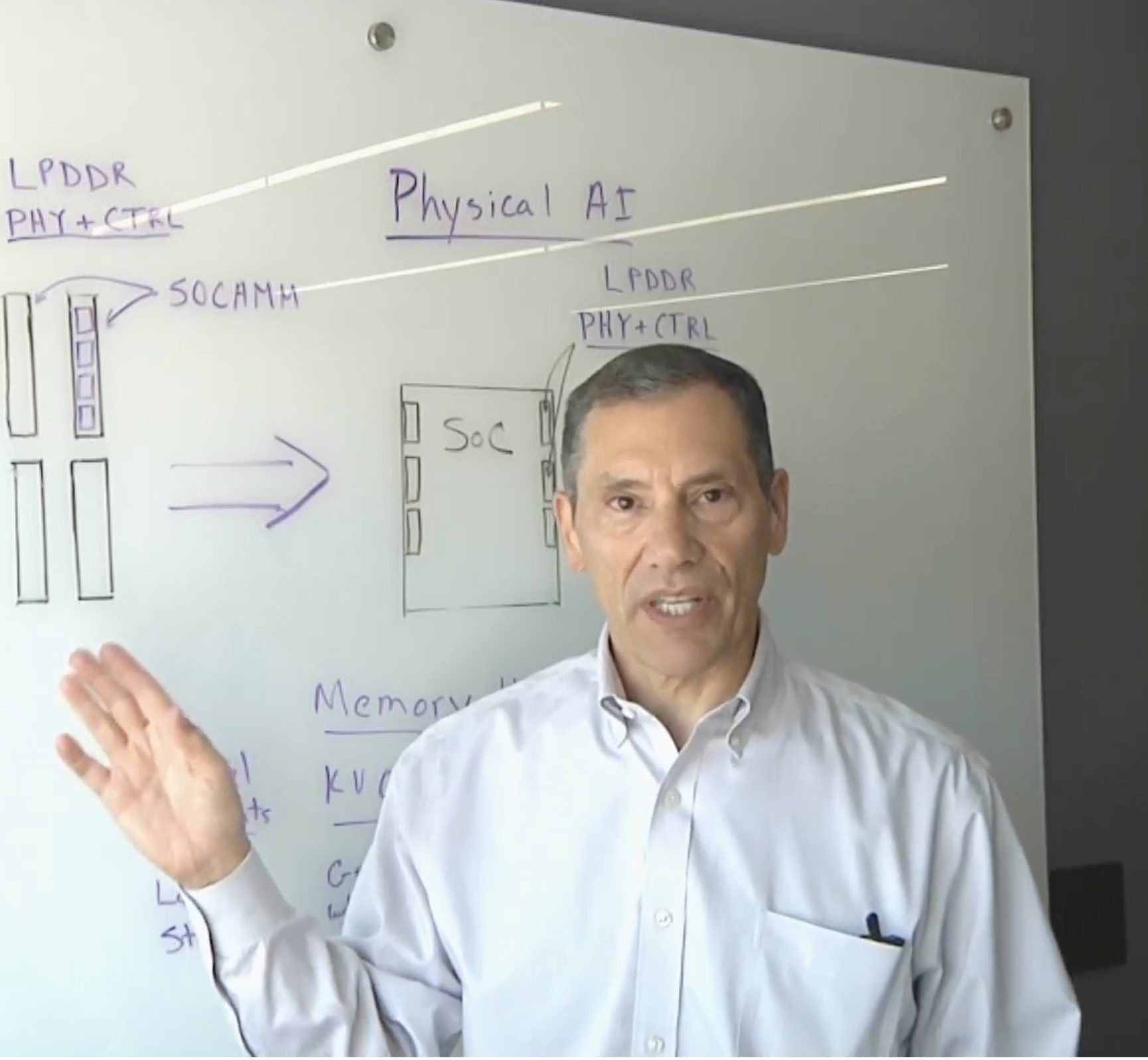
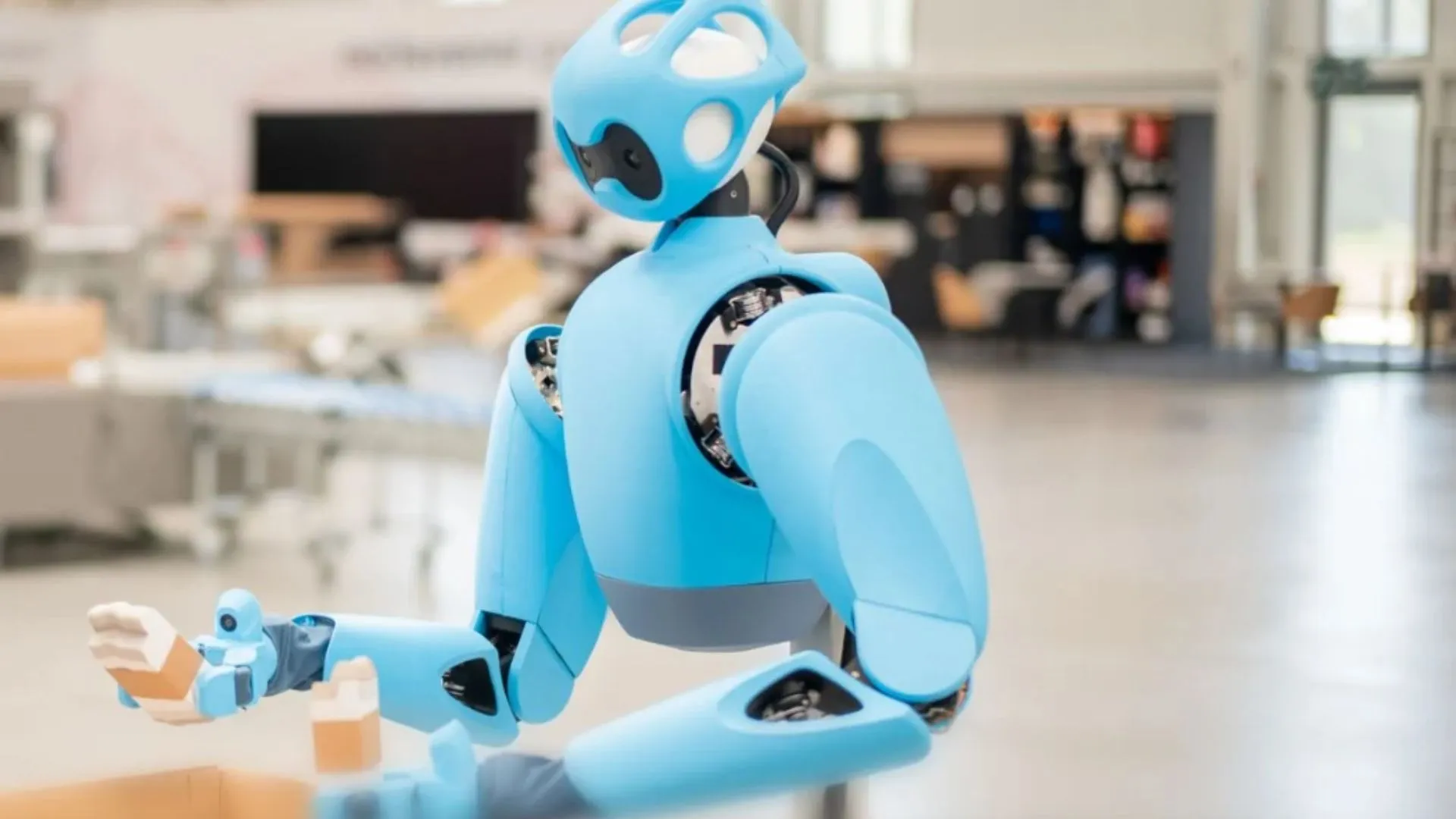
Humanoid robots, autonomous vehicles, and drones all share one thing in common — they can only function as long as the battery lasts. After that, they need to return to a charger. Today, in the case of humanoid robots, usefulness may only last a few hours per charge. So how can that time be extended? There’s no simple answer because no single component will solve all problems, but the underlying basics remain the same — efficient processing, denser and faster memory, and optimized data movement between processors and memories. Frank Ferro, group director for product management at Cadence, explains why data hierarchies are so critical for physical AI, what can be done on the memory side to speed up read/write times, and how to maximize performance while keeping costs down.


Source link
Disclaimer

We strive to uphold the highest ethical standards in all of our reporting and coverage. We TheMorningPulse.fyi want to be transparent with our readers about any potential conflicts of interest that may arise in our work. It's possible that some of the investors we feature may have connections to other businesses, including competitors or companies we write about. However, we want to assure our readers that this will not have any impact on the integrity or impartiality of our reporting. We are committed to delivering accurate, unbiased news and information to our audience, and we will continue to uphold our ethics and principles in all of our work. Thank you for your trust and support.