Google has unveiled Gemini 4 Argon, a new model that it says reduced the resource requirements of a quantum computing operation by more than 100 times, while helping researchers develop new mathematical solutions for nuclear fusion and improve real-world robot performance.
In one demonstration, Argon generated a quantum algorithm component with more than 100 times lower spacetime cost than a previously published method. The company said the implementation was formally verified using Lean, a system for checking mathematical proofs.
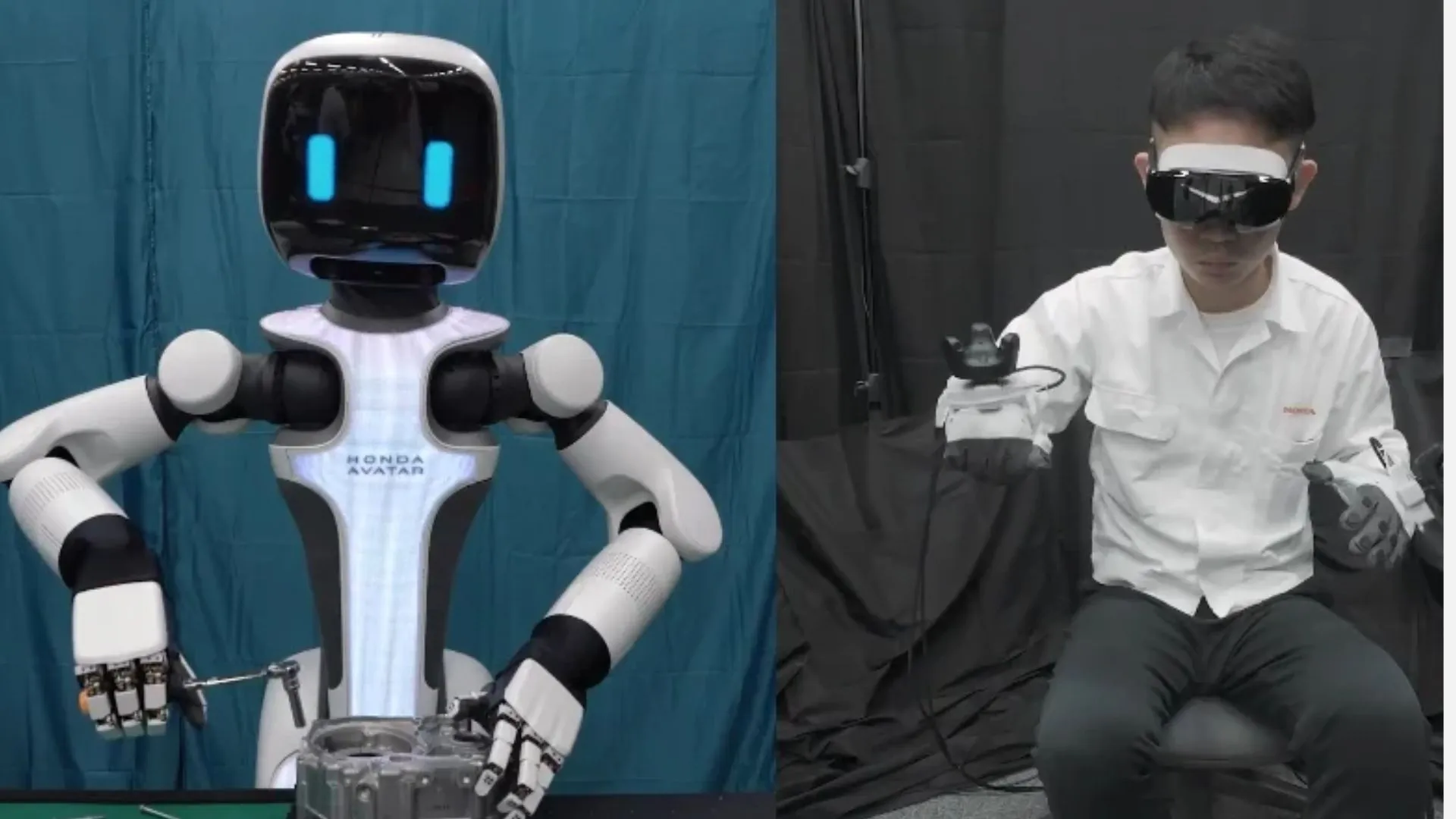
The model also helped researchers identify new solutions to a decades-old mathematical problem related to stellarator fusion reactors. In separate robotics tests, training data generated through Argon’s simulations increased a robot’s real-world task success rate from 56% to 75%.
Google announced the developments on October 13 as part of the Gemini 4 Argon launch. In another test, the model worked unattended for 11 hours on Google’s existing software codebase, producing changes that reduced session preparation overhead by about 40% and sped up package imports by 21%.
Quantum computers require carefully designed operations to perform calculations while limiting errors and hardware demands. Some algorithms depend on smaller mathematical components, known as subroutines, that can consume substantial computing resources.
Gemini 4 Argon is here.
It’s available globally today for developers and enterprises in the paid tier of the Gemini API and the Gemini platform, for Ultra subscribers in Google Antigravity, and Ultra and Pro subscribers in the Gemini app and Search.
Hope you all enjoy it! pic.twitter.com/2jyAgqoylU
Google said Argon optimized an arcsin subroutine used in quantum simulation algorithms.
Source link