Andy Alder and Arjun Mather were Stanford roommates who both studied computer science before spending a decade at Palantir. Alder led product design for a team of 800 people building software for U.S. defense and intelligence agencies, while Mather served as a senior vice president in the company’s commercial practice. When the friends decided to build a startup early last year, there was no question they would do it together.
Despite having no direct background in architecture, Alder and Mather were troubled by a growing problem: fewer buildings are constructed in the U.S. today than a few decades ago, as development costs have surged.
“We’ve gone from dial-up internet to super intelligent AI, but our ability to build the physical world around us has actually decreased,” Mather told TechCrunch.
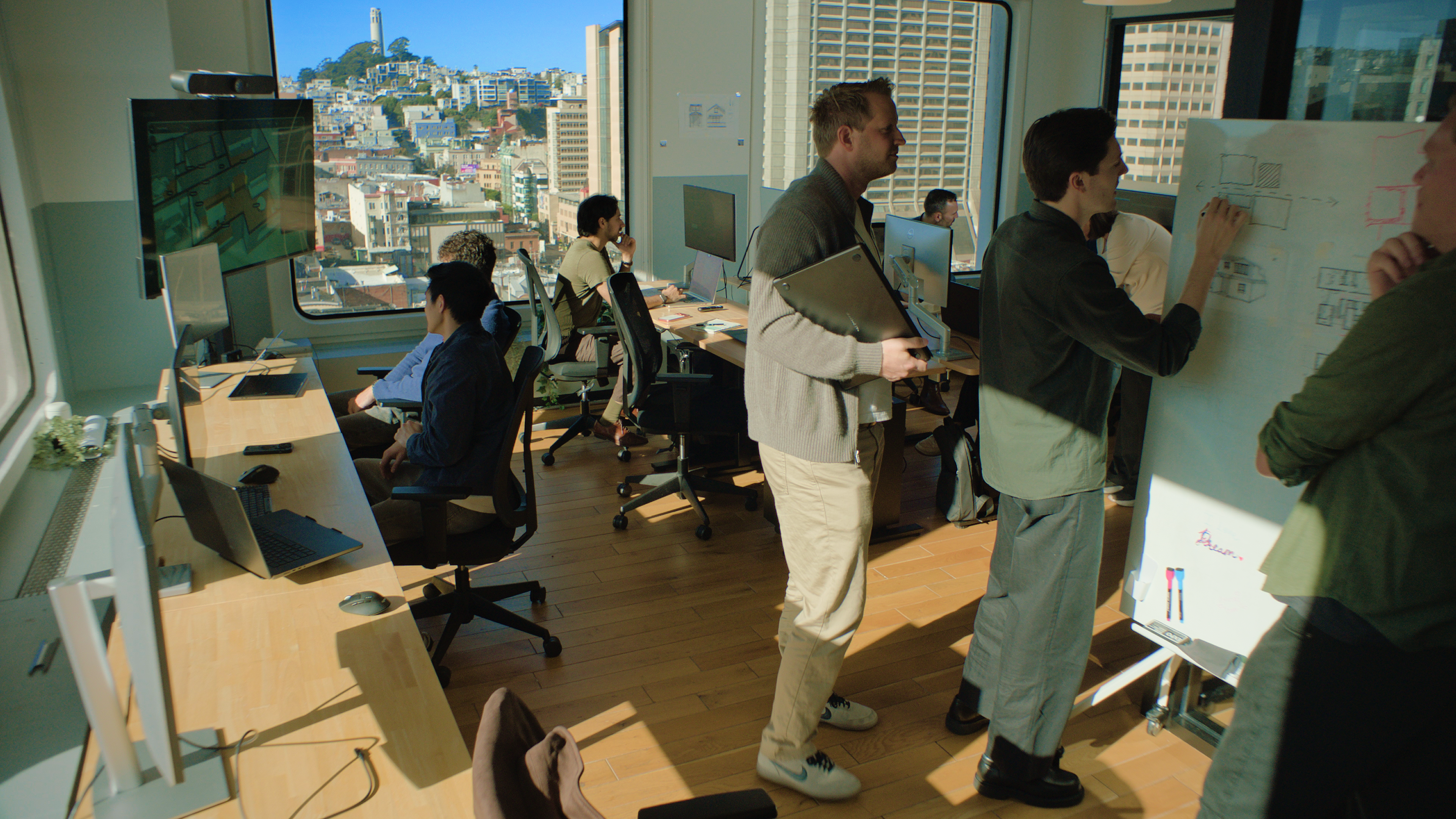
Believing AI can boost productivity across the architecture, engineering, and construction (AEC) industry, they set out to build Dream, a startup developing world models that automate building design and engineering. Dream has emerged from stealth with $17 million in seed funding led by Andreessen Horowitz, alongside other backers including SV Angel, XYZ, and Zigg Capital. The startup aims to replace cumbersome, outdated AEC tools like Autodesk’s AutoCAD and Revit.
If you sit next to an architect or a structural engineer, you’ll notice that they are still “drawing” every piece of their designs part-by-part on legacy software, Mather said. “AI really plays no role in that equation.”
While a standard LLM like ChatGPT can generate an image of a building, the result won’t be structurally sound.
Source link