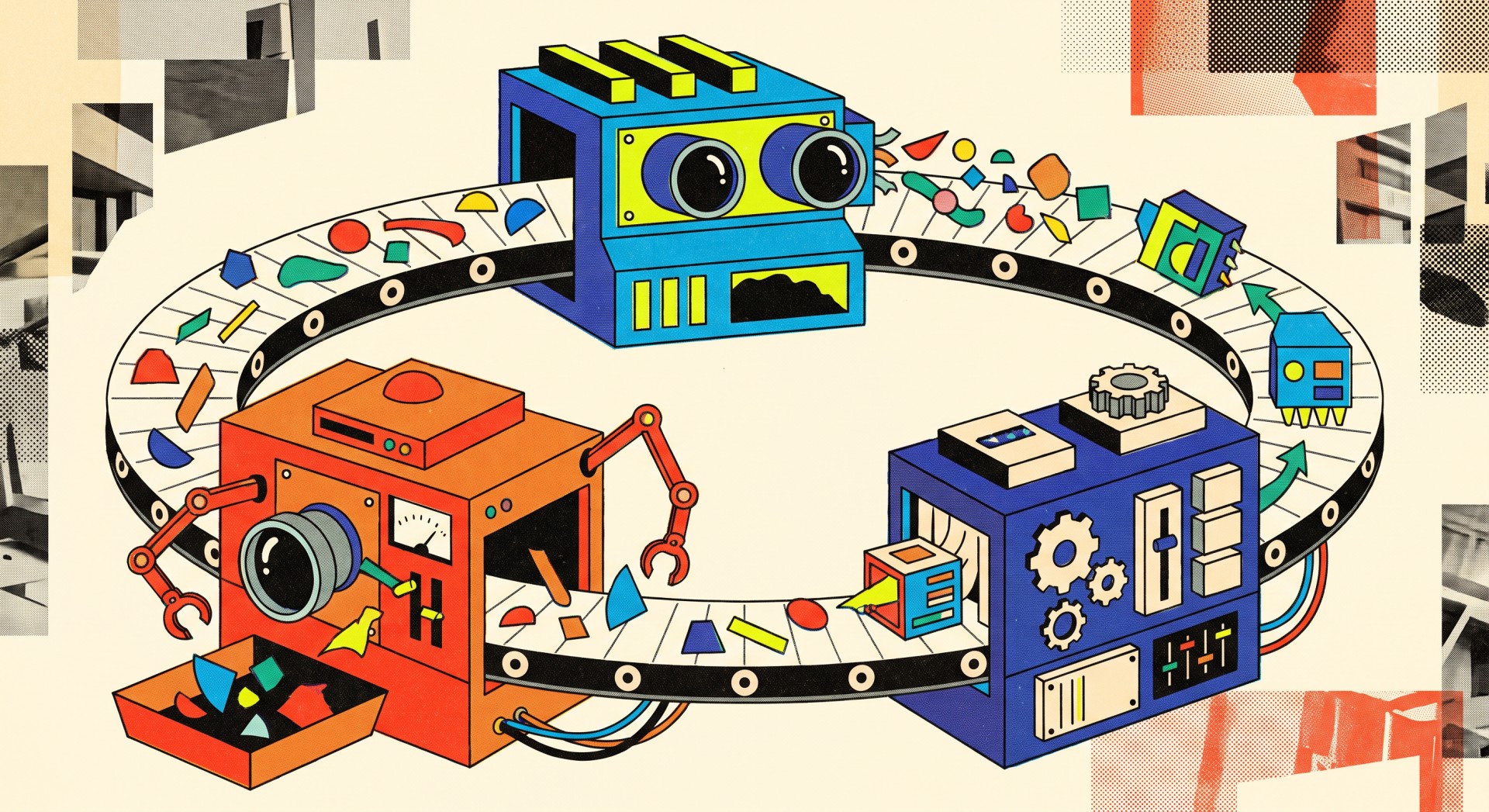
Build-or-buy is usually framed as an engineering trade-off, where developer time is weighed against integration and migration overhead, and control against the maintenance burden of a bespoke build. When we put together the 2026 Future of Platform Engineering report, we weren’t trying to settle the trade-off; we were trying to find out whether platform feature-sourcing decisions revealed anything about the platform team. It turns out it does. Across responses from 379 platform professionals, we found that teams predominantly building from scratch are less likely to have a clear strategy in place and to meet fewer of their platform goals.
This question has changed considerably with AI. Agents have made building easier than ever; an internal tool that once took months to build can now be put together in a day. But AI removes the effort of writing code, not the work of owning it. The maintenance, upgrades, and governance that come with a scratch-built feature remain, while the volume of change moving through the pipeline increases. That makes build-versus-buy a sharper strategic question than ever.
We asked platform teams how they support each feature they own: built from scratch, built on an existing template, or bought as an underlying tool. Teams whose dominant approach is building from scratch are far more likely to report that their platform lacks a clear strategy. The association is strong, but it is not as simple as “build from scratch means you don’t have a plan.”
5%). 3%). This could reflect a broader maturity pattern: as architectural choices in Platform Engineering settle, teams increasingly standardize on tools rather than maintain their own.
Source link