If you’ve ever wondered how Claude and similar AI agents can answer complex questions in seconds and where they get the information, you’re not alone.
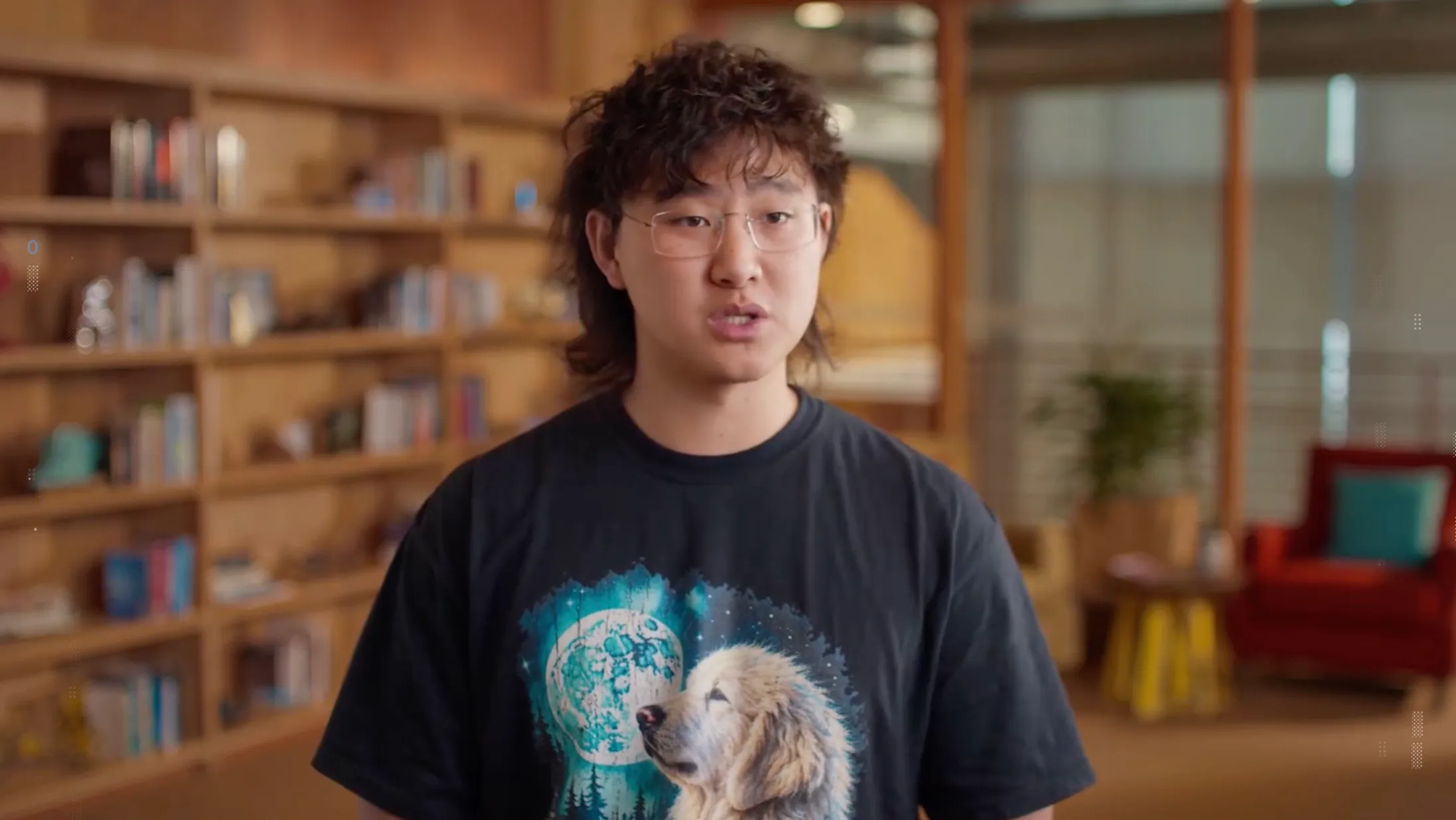
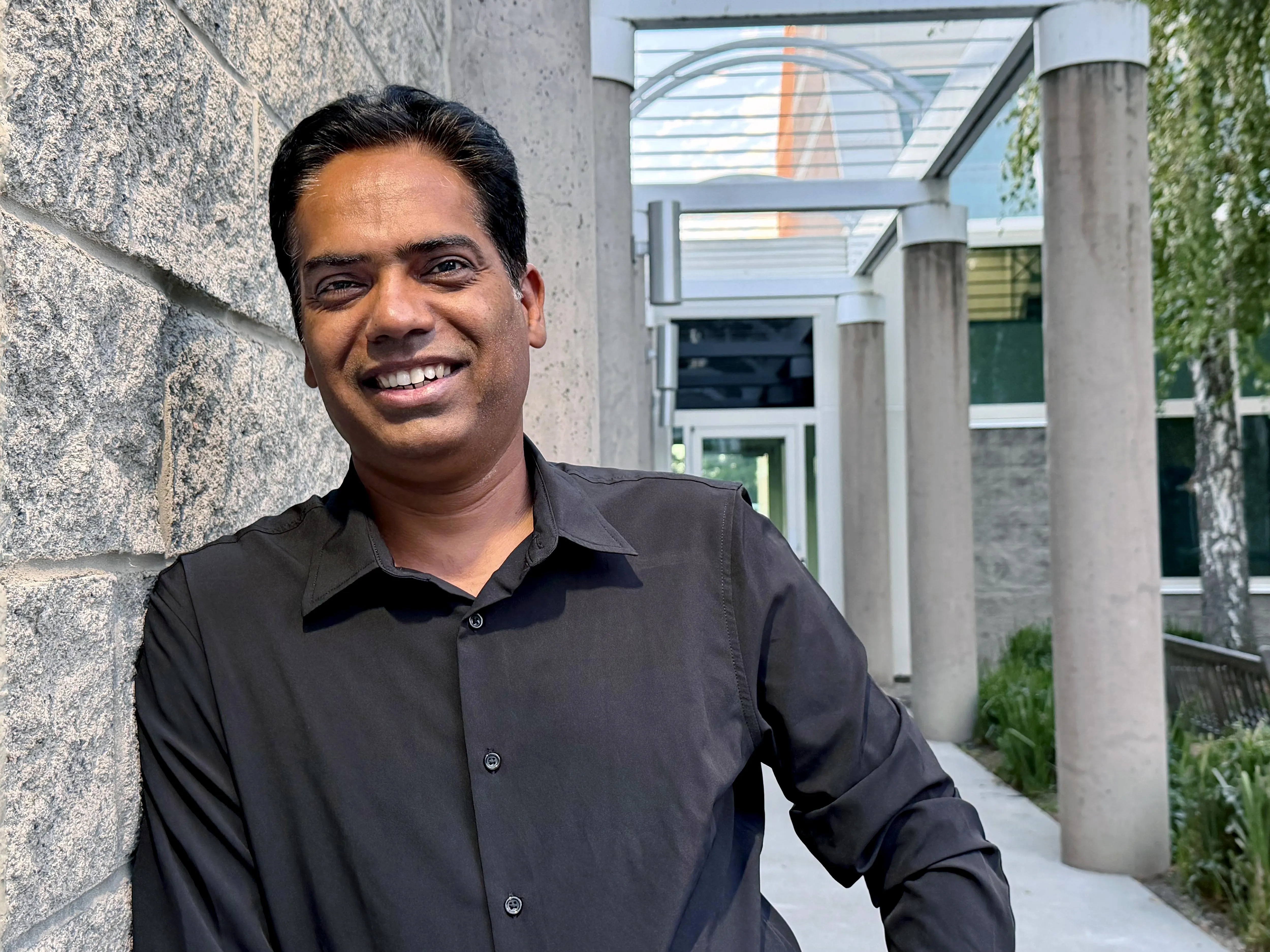
Gurmeet Saran works to find that answer every day as an engineer at Anthropic in San Francisco, the AI research company behind Claude. The IEEE senior member is developing an infrastructure to understand the mechanics behind the chatbot’s behavior and to ensure its underlying architecture produces reliable outputs.
University of Kalyani, in India; Birla Institute of Technology and Science, in Pilani, India
“My job is to make sure the data is accurate, structured, and trustworthy, and that private data stays private,” he says. “As I learned earlier in my career, privacy can’t be a layer you bolt on—it has to be part of the architecture from the start.” If you can’t trust the logic, he adds, you can’t make reliable claims about the behavior, and that has real safety implications.
Safety is a priority for Anthropic, he says. According to Claude’s mission statement, the company wants the AI agent to be “genuinely helpful to the people it works with or on behalf of, as well as to society, while avoiding actions that are unsafe, unethical, or deceptive.” Crucial to the mission is ensuring that researchers can observe and understand how AI models behave, a challenge that is especially acute for large language models, Saran says.
“We have decent tools to monitor databases and web services,” he says, “but for LLMs, we’re still figuring it out.”
Source link