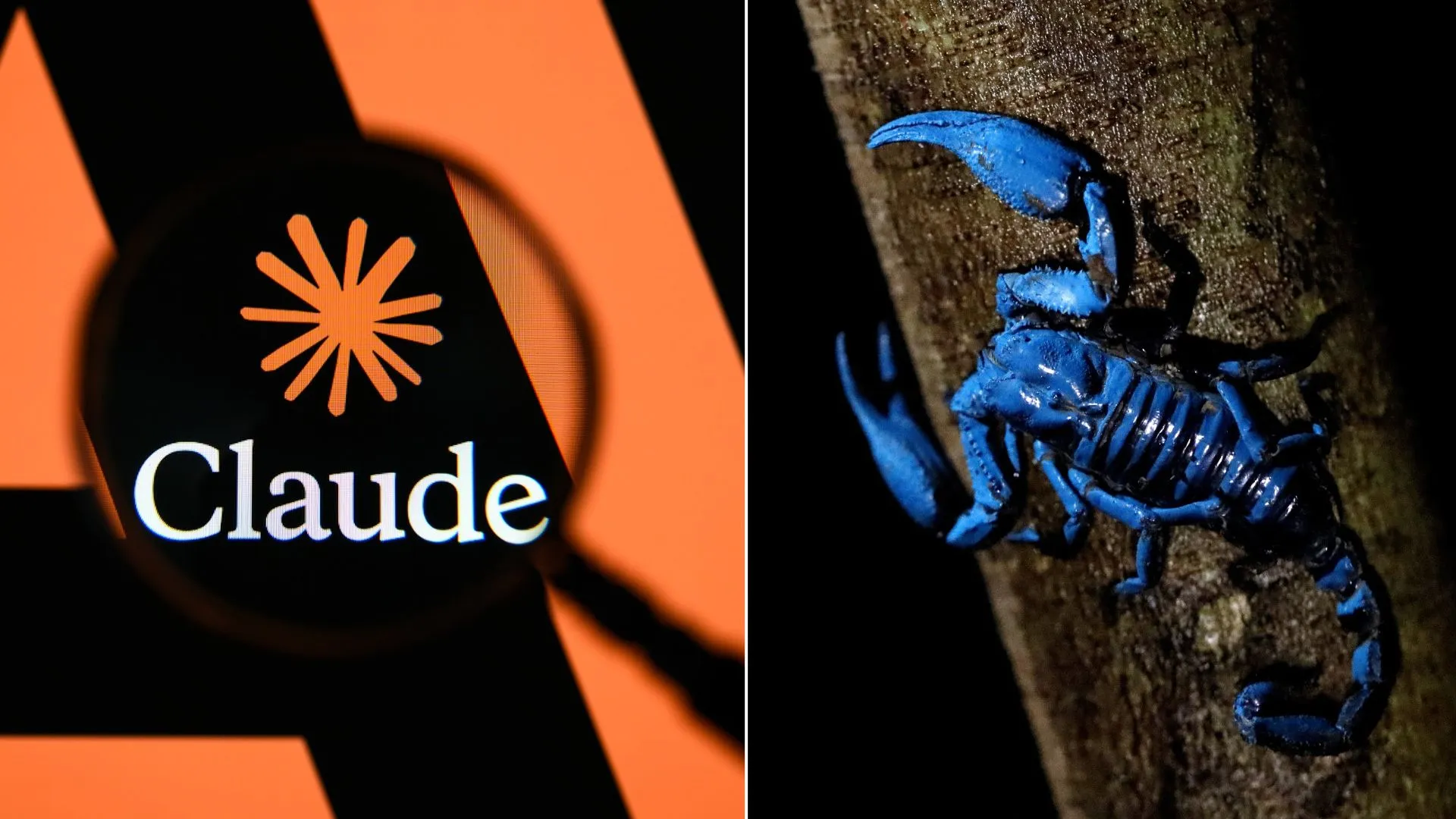
In a development that could accelerate antivenom research, Claude generated over 318,000 protein designs in just 64 hours, with 17 passing laboratory binding tests against dangerous scorpion neurotoxins.
The research, conducted with input from Citrini Research and laboratory testing by Adaptyv Bio and Twist Bioscience, tested 211 selected designs, of which 17 met strict binding criteria. The strongest candidates attached to a Mexican scorpion toxin with single-digit nanomolar affinity, indicating a tight molecular interaction.
The results establish an early step toward potential antivenom development, rather than a working treatment.
Scorpion stings affect at least 1.2 million people worldwide each year, causing more than 3,250 deaths, primarily among children in regions with limited access to medical care.
Existing antivenoms are generally produced by immunizing animals, including horses, with venom and extracting antibodies from their blood. Manufacturing can take months, and treatments may work against only a limited range of toxins.
To addressed these limitations, Anthropic tasked an internal Claude research model with designing minibinders, small proteins engineered to attach to specific targets. The project focused on five neurotoxins from scorpions found in Mexico, Brazil, North Africa and the Middle East.
Working largely autonomously, Claude used 12 protein design tools to generate 318,484 candidates and computationally screen 553,052 protein-toxin pairs. The campaign consumed approximately 10,000 GPU hours.
After an initial prompt and four follow-ups, Claude selected 180 designs for laboratory testing. Researchers subsequently added 31 more with the model’s assistance.
The resulting 211 candidates included proteins designed to target individual toxins and others intended to bind multiple toxins simultaneously.
Source link