NVIDIA introduces digital twins and AI agents with DSX Air to accelerate AI factory validation and reduce time to production.
NVIDIA has unveiled an approach to optimizing AI factory operations using digital twins and AI agents, emphasizing their role in reducing validation time and improving production efficiency. Published on October 7, 2026, a blog post by NVIDIA's Avi Alkobi detailed how these technologies are integrated within the NVIDIA DSX Air platform to simulate and validate complex AI workloads before deploying physical infrastructure.
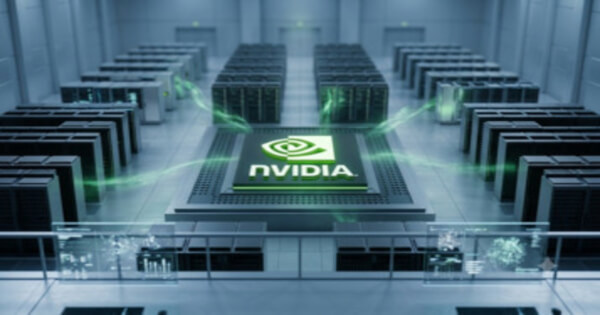
AI factories, as defined by NVIDIA, are high-performance computing systems designed to continuously produce AI outputs. These facilities combine GPUs, CPUs, DPUs, switches, and orchestration software into a unified stack optimized for AI workloads, including token generation, model fine-tuning, and enterprise AI services. Unlike traditional data centers, AI factories are measured by their ability to turn data and energy into intelligence, with efficiency gauged by token throughput.
NVIDIA's DSX Air platform serves as a digital twin environment, simulating the infrastructure and operational interfaces of an AI factory. This allows operators to model and validate hardware and software configurations in a virtual environment before physical hardware is deployed. According to the blog, this approach minimizes the time to "first token" by shifting testing earlier in the production cycle, reducing costs and risks associated with physical prototyping.
AI agents further enhance this process by interacting with the digital twin to run validation checks, compare outcomes, and initiate follow-up workflows. This integration enables continuous validation across the AI factory lifecycle—spanning Day 0 planning, Day 1 deployment, and Day 2 operations.
Source link