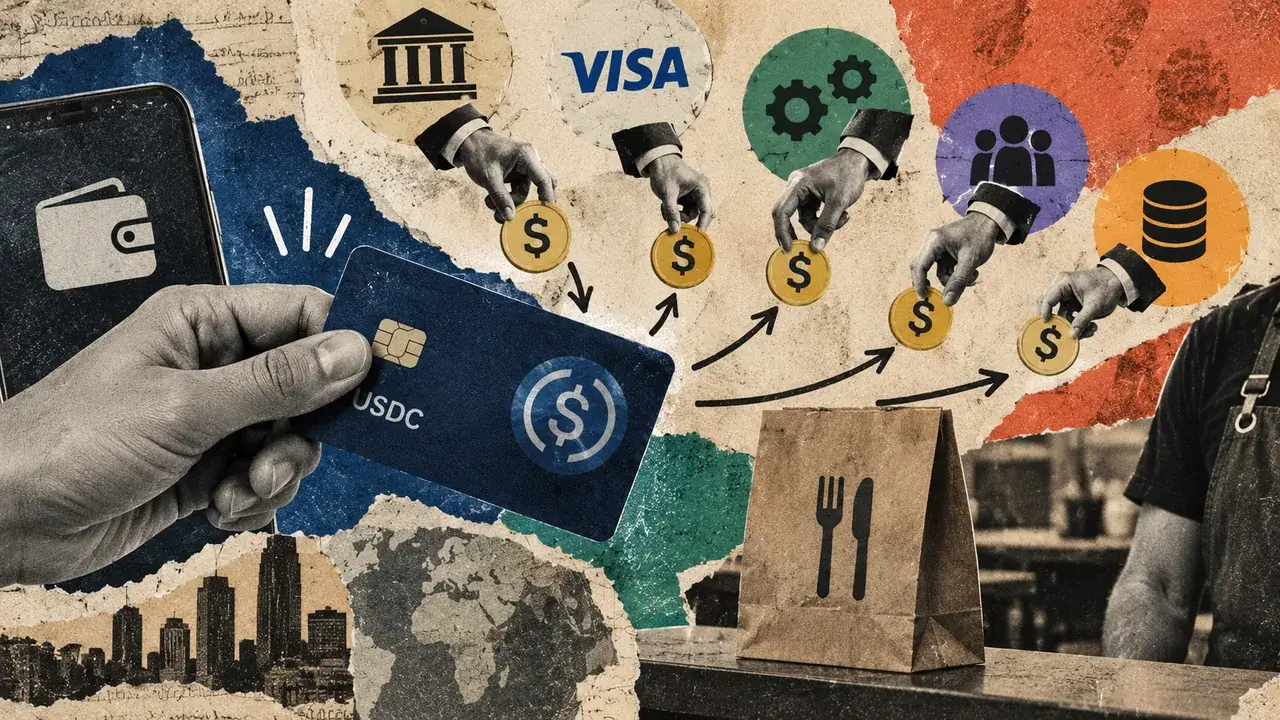
Tokenization, or the process of bringing financial and real-world assets onto a blockchain, has been generating headlines in recent months, with a growing number of companies saying they’re offering, or planning to offer, versions of equities, bonds and commodities that can be traded around the clock with few, if any, geographic restrictions.
Not surprisingly, Wall Street's biggest banks are also examining the technology, and this week’s third-quarter earnings calls allowed executives the opportunity to voice a clearer picture of where they think the business is headed, though none put a revenue figure on the opportunity.
Goldman Sachs (GS), Wells Fargo (WFC) and Morgan Stanley (MS) focused on different aspects of the process: trading opportunities, money transmission and advisory services.
For Goldman Sachs, it’s all about trading. CEO David Solomon was asked whether tokenization, decentralized finance (DeFi) and prediction markets could eat into the firm's trading revenue. His answer was that they might do the opposite.
Solomon pointed to the shift toward electronic stock trading almost 50 years ago, which once raised similar concerns about the future of Wall Street's trading desks. Goldman adapted to that change and its equities business grew. Tokenization, he said, could follow a similar path.
"The developments are obviously creating more products, greater activity, potentially new clients, broader distribution channels," Solomon said on Tuesday’s call with analysts.
The bank has spent years investing in digital asset infrastructure, though perhaps more quietly than most of its competitors. It built GS DAP, its own platform for tokenized assets, as long ago as 2022 and has worked on tokenizing bonds, money market funds and real estate.
Source link