Aave's emergency freeze left borrowers paying interest while blocking the fresh deposits that higher rates normally attract.
Borrowers in Aave's frozen reserves kept paying interest while the restrictions prevented fresh deposits, including the extra collateral they might normally supply to protect a loan. Suppliers were still able to request their money back, provided enough tokens were available, so withdrawals could make borrowing more expensive even though new borrowing was blocked in those reserves.
That left Aave with a rate mechanism whose deposit incentive couldn't work in frozen reserves. More expensive borrowing encourages people to repay and offers better returns to anyone willing to lend, but the freeze prevented that second group from putting money in. Cutting rates could give borrowers some relief, while doing nothing by itself to return the tokens suppliers wanted to withdraw.
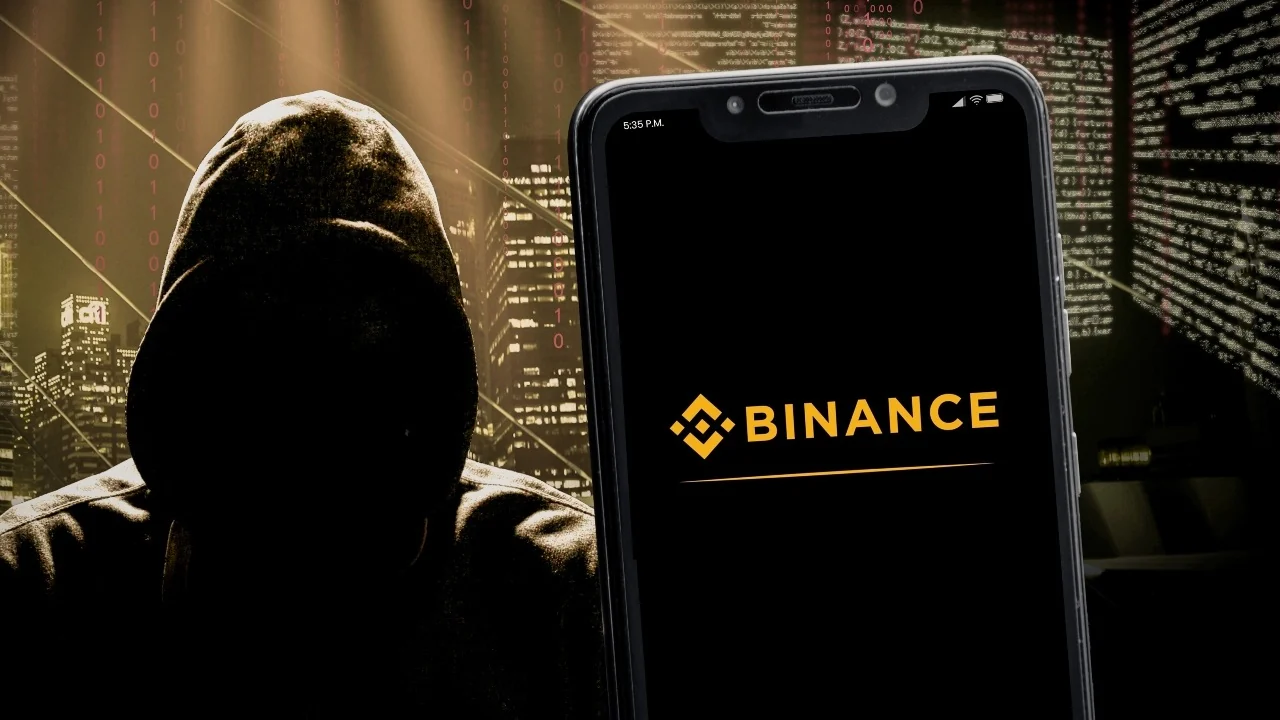
The restrictions were introduced during the Oct. 29 Binance hot-wallet incident, and the affected reserves had reopened by Oct. 31.
LlamaRisk's recommendations to reduce borrowing rates temporarily, then restore their earlier settings, explain how protecting a lending market can leave its existing users needing different things from the same pool of money.
Someone using Aave can supply crypto as collateral and borrow another token against it, obtaining funds without selling the original holding. If you want dollars while keeping your Ethereum, for example, you can borrow a dollar-linked token such as USDC.
Those borrowed tokens come from other users who supplied them to Aave's lending contracts , the blockchain programs that handle the transactions.
Source link