

The growing opposition to data centers tends to stem from concerns about the environmental toll of these massive, resource-intensive facilities. Their high use of land, energy, and water has turned some communities and elected officials against the projects, and noise pollution has led to lawsuits.
Meanwhile, It’s expected that the power demands of data centers will continue to rise, more than doubling from 2025 to 2027.
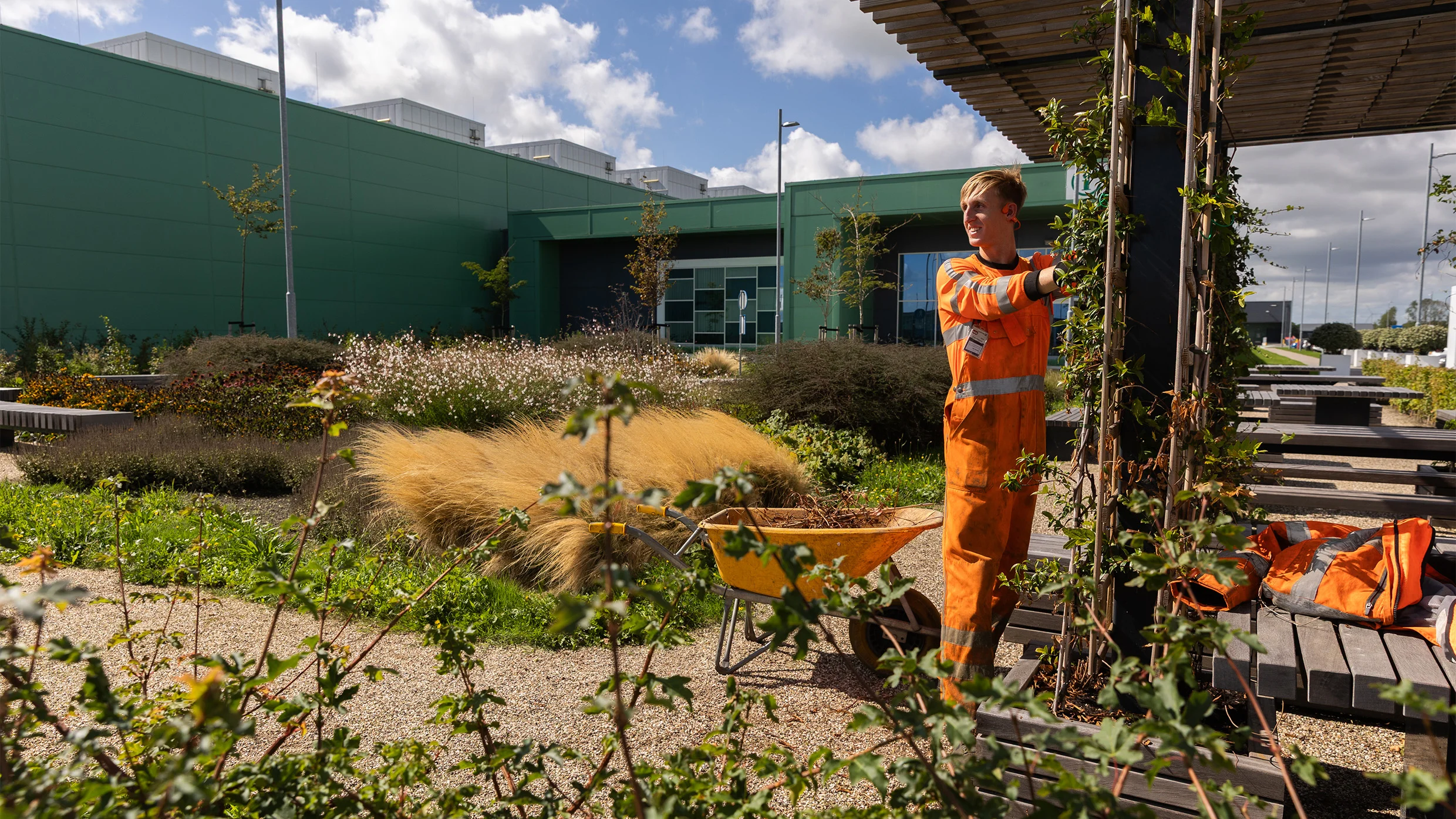
To try to soften some of the negative impacts, Microsoft is designing its new data center projects to give a little back to the environment. The company is making landscape design part of every data center it builds in the U.S., along with select international projects.
“We are taking a nature-forward, nature-positive approach to how we steward the land where our data centers sit,” says Kaitlin Chuzi, director of global land strategy at Microsoft.
More than 20 of Microsoft’s current data center projects include ecosystem creation and restoration efforts around the sites, adding native plants, animal habitat, and natural areas for use by people in their surrounding communities.
In some cases this effort is creating dozens of acres’ worth of new habitat, miles-long hiking trails, and restored waterways. It’s an attempt to shift the public image of data centers from cacophonous energy and water hogs to something more bucolic.
Even large-scale ecosystem improvements are unlikely to mitigate the full environmental costs of the data centers being built today. But Microsoft’s effort is at least a sign that the companies behind the AI boom are beginning to think about how they can reduce their negative impact and better integrate them into their surroundings .
Source link





