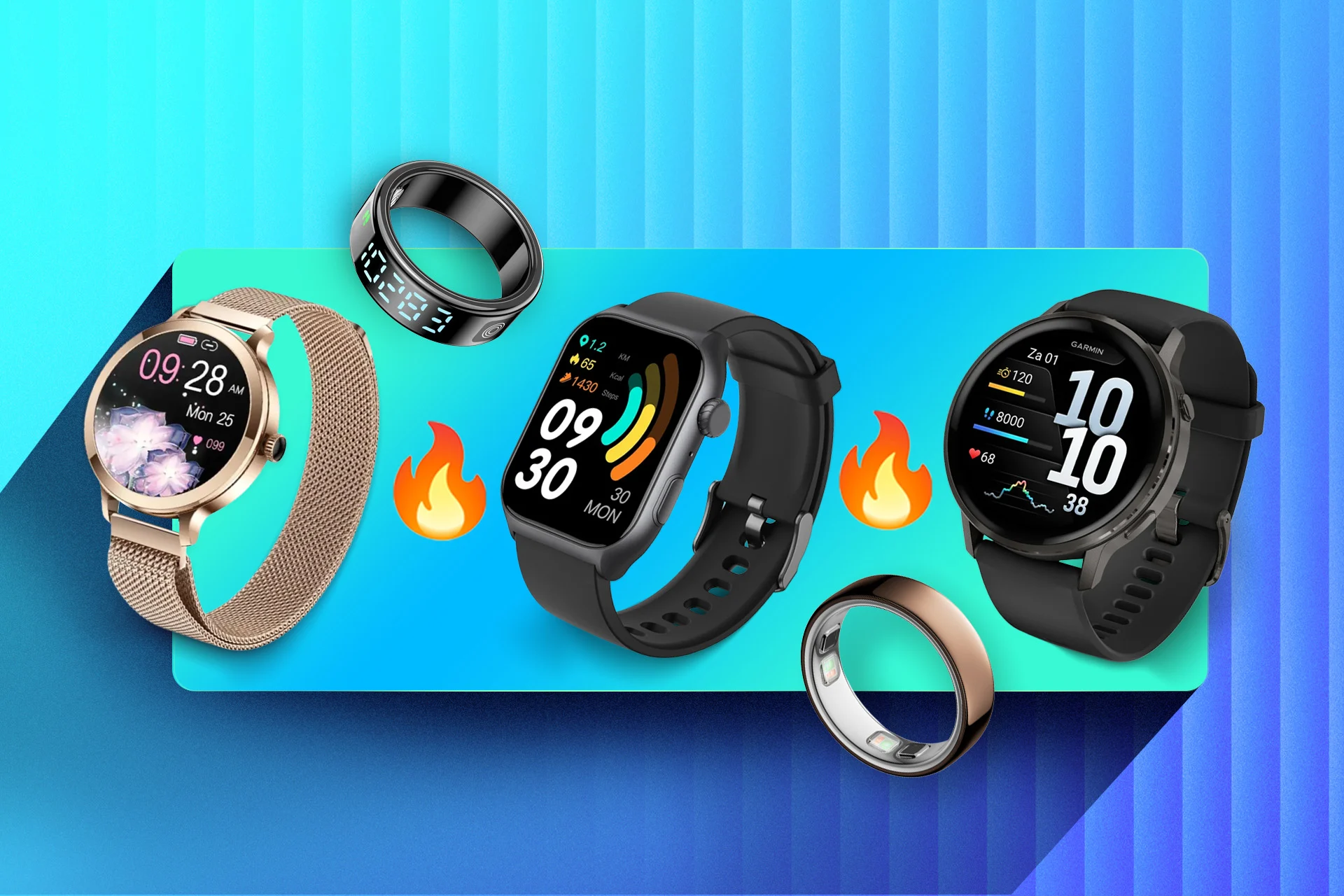
Over the past decade, wearable electronics have become part of our everyday attire, seemingly as essential as any belt, pair of shoes, or favorite pair of socks. Smart rings track sleep and other health vitals, as do smart watches, while wireless earbuds and smart glasses serve as digital eyes and ears for new AI assistants.
The wearables market is also growing rapidly, with market analysis firm IDC putting the total wearable shipments in the first quarter of 2026 at just shy of 146 million units, with especially strong growth in smart glasses and smart rings growing more quickly than the overall market.
So wearables are definitely popular, though they aren’t without their frustrations. The problem for wearables is that they need to be worn continuously to give you the utility you want, but eventually you have to stop wearing them.
Batteries run down, and the device needs to sit on a proprietary charging dock or awkwardly plugged into a USB-C cable. This inconvenience might only last for an hour or so, but if you’re trying to get a full-day picture of your health or hoping to track your sleep, that hour is suddenly a gap in your data.
This can be annoying when you’re counting steps, but if you’re trying to continuously monitor important health data to manage a chronic disease or keep track of other important data, that gap could be consequential.
Fortunately, there might be an answer on the horizon that finally frees your wearables from their dependence on a wall outlet or a laptop’s USB port to stay operational.
Source link