Around this time last year I was attending an aging conference in Manchester, listening to a talk about fly aging, when my phone started pinging. News outlets were reporting that a hot mic had caught Russia’s and China’s leaders discussing the possibility of living forever.
“With the developments of biotechnology, human organs can be continuously transplanted, and people can live younger and younger, and even achieve immortality,” Russia’s Vladimir Putin reportedly told China’s Xi Jinping.
He seems to have been referring to the “replacement” theory of longevity, which has been supported by multiple experiments that involved physically stitching young mice to old ones. Something about the young blood rejuvenated the old mice. Perhaps young organs could rejuvenate world leaders in their 70s, too.
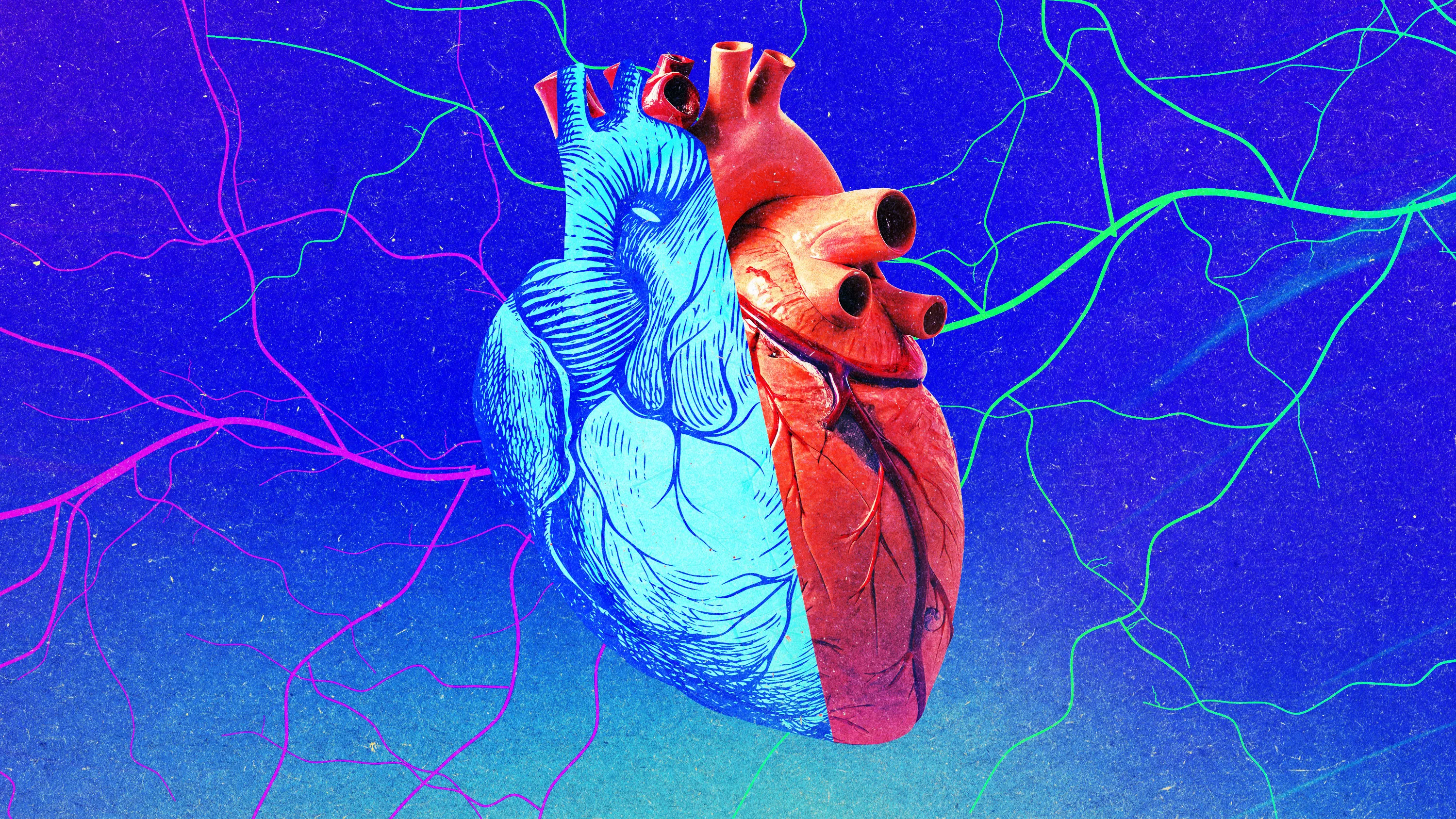
Unfortunately for Putin, new research pours a little cold water on this idea. Studies on transplanted hearts in both mice and humans suggest that new hearts soon adopt the biological age of the recipient, no matter how young they were to begin with. The finding could be important for transplantation, but it also highlights just how complex aging—and rejuvenation—are.
Jesse Poganik at Brigham and Women’s Hospital in Boston is one of the many scientists trying to understand exactly what it is about the bodies of young mice that rejuvenates old ones. Plenty of research has focused on seeking the secrets of youth in young blood. But what if it’s something about young organs instead?
To find out, he and his colleagues performed a set of heart transplants in mice.
Source link