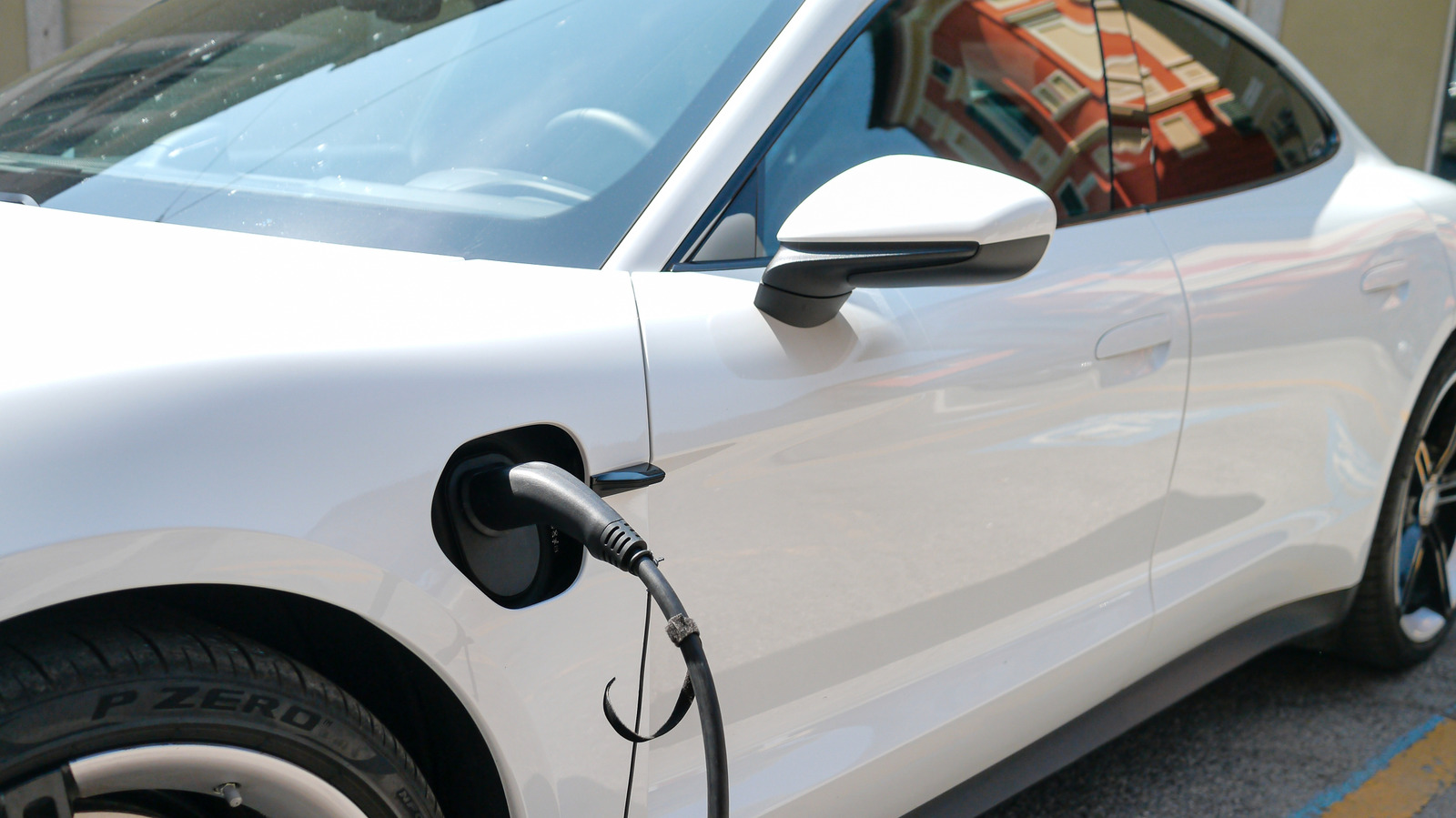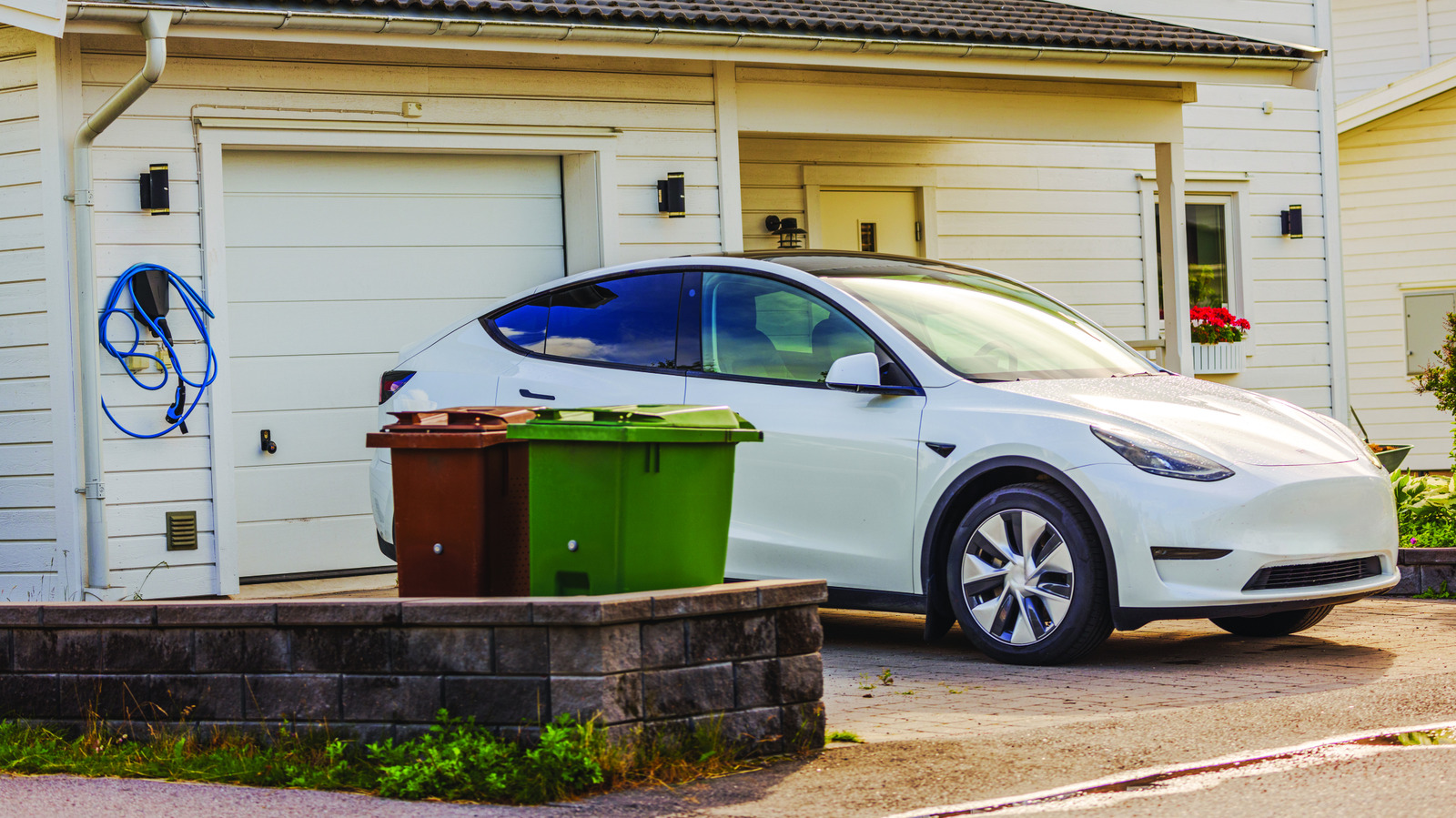
It's already costly enough to leave your EV at the airport for a week without it quietly discharging electricity while you're away. You could end up with a reduced battery percentage, even if the odometer hasn't budged. The truth is that an EV will lose a bit of charge while it's parked, but the amount lost will vary depending on the EV and what it has been doing while you were away.
There are a lot of factors involved when it comes to EV energy loss. Lithium-ion cells can lose charge naturally through electrolyte oxidation and reduction via a process called self-discharge. However, that is negligible compared with the electricity used while driving. The larger loss is from systems that continue to operate after you've locked the doors. It is not usually a problem over a weekend, but if you leave an EV unplugged for a couple of weeks, those little losses can begin to add up.
A locked vehicle doesn't automatically shut down every electrical system. The battery management system periodically checks battery conditions, and the high-voltage battery is sometimes called upon to recharge smaller low-voltage batteries used for the locks, computers and other electronics. Tesla says that its Model 3, when parked, routinely performs these system checks and any necessary battery maintenance. Rivian also confirms its R1T also uses the high-voltage battery to maintain its 12V battery.
Then there's the convenience tech. Connected services include the ability to check the status of your vehicle, start the climate control or prepare the cabin before getting behind the wheel.
Source link