Interest in retro games is booming, but there are only so many old cartridges going around.
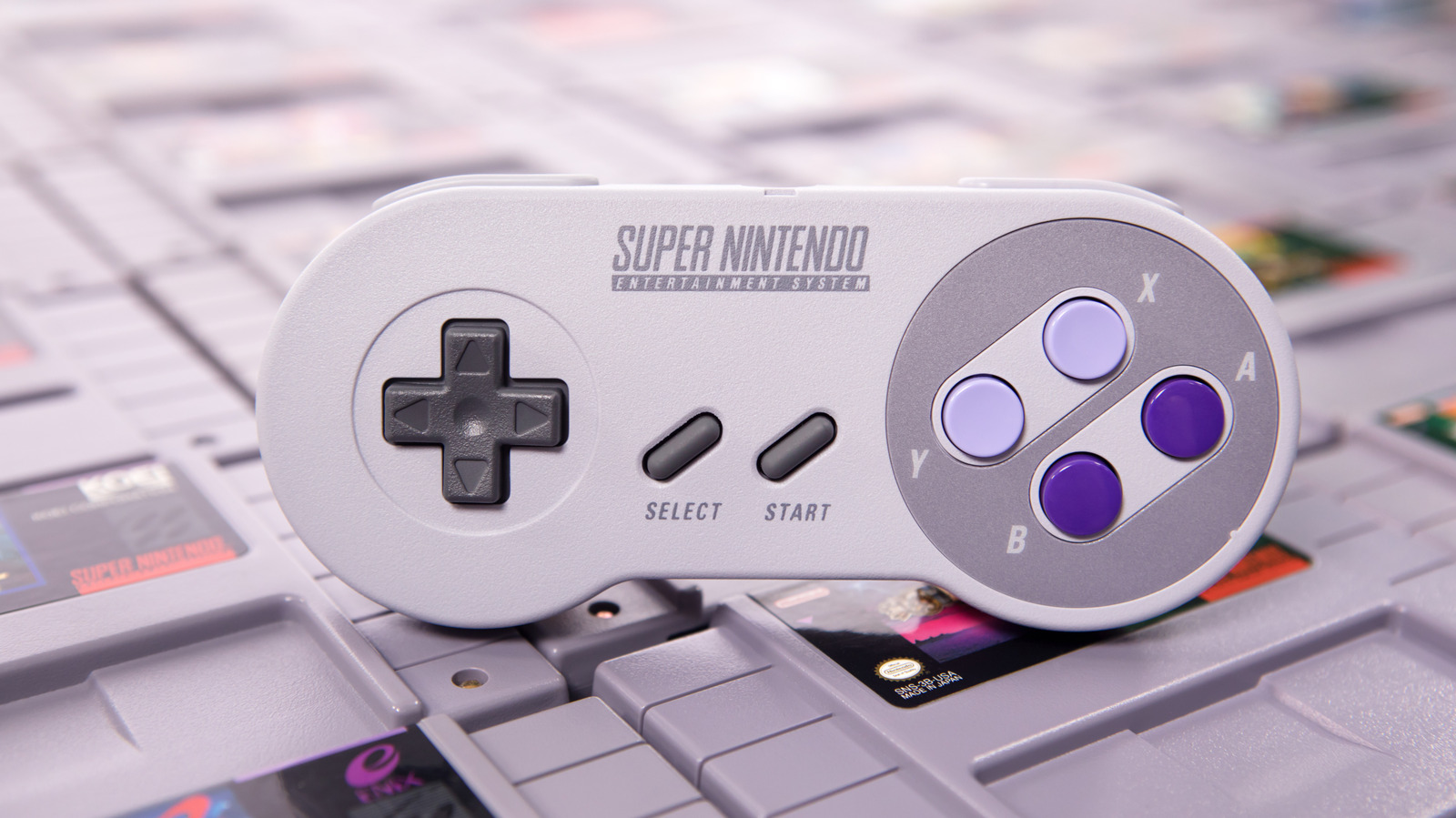
Although you can play with an emulator like Super ZSNES, there's just something about physically having your favorite SNES games to hold and admire sitting on your shelf. If you've been trying to track down a copy of an old SNES game for a fun dose of nostalgia, you might have gotten a bit of sticker shock at how much titles are still selling for in 2026. It's not to say the inherent value of retro games isn't always comparable with their actual price, but SNES games in particular often seem to be an expensive outlier.
The SNES has been around for a long time: it was released in Japan in late 1990 (known there as the Super Famicom), then arrived in the United States in 1991. Across all countries, the SNES sold just over 49 million units. Though these sales numbers somewhat pale in comparison to those seen with other Nintendo releases like the Wii or even the original NES (which sold over 10 million more units), decades later the popularity of the SNES endures. But why is taking a trip down memory lane so expensive with this particular console's library?
Much of the pricing behind SNES games comes from scarcity. The cartridges have long stopped being produced by Nintendo, meaning there's a finite number circulating in 2026. There were just over 379 million software units sold during the console's lifespan, which sounds high, but compared to numbers like the Wii's over 921 million units, it's relatively small potatoes.
Source link