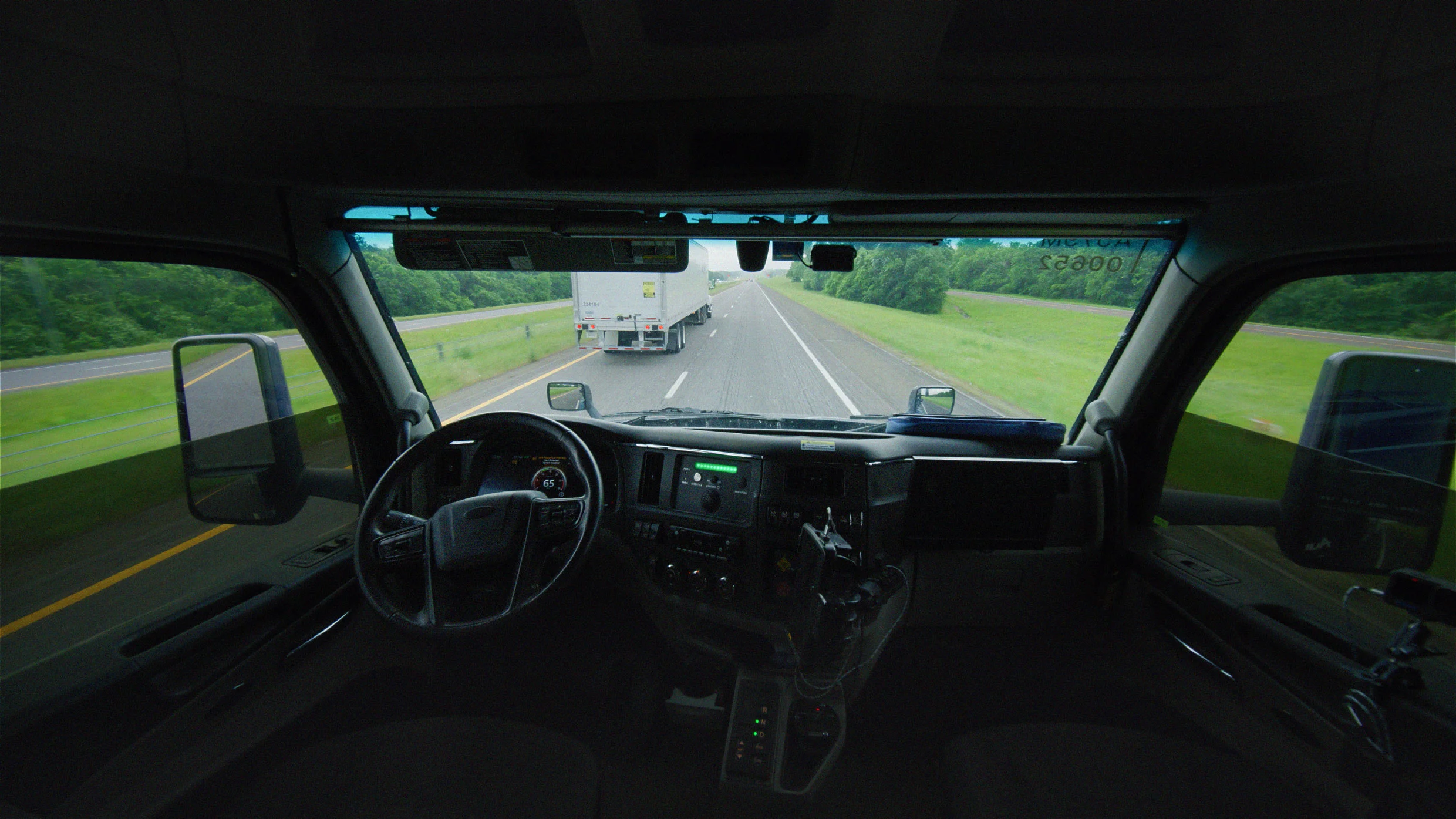
Driverless trucks with artificial intelligence on board could dramatically change the landscape of freight shipping. A few companies have begun testing early models on some limited routes in Texas and California. Simulations of automated fleets show the potential benefits of the technology: The vehicles could improve safety, enhance fuel economy, and lessen transit times.
Truck makers and operators still have to solve some major issues, however, including how automated trucks will operate in variable weather and road conditions, and whether drivers should still be inside big rigs.
I am an engineer who studies human factors and transportation safety, and in my view, it is likely that automated trucks and human drivers will be working together for quite some time.
Fully automated trucks, which can drive on an interstate highway in good weather without human intervention, use a combination of AI, machine learning, computer vision, pattern recognition, and adaptive decision-making. Torc, one company developing these vehicles, uses AI to combine data from multiple sensors and generate models that predict truck performance.
Data taken from modern big rigs that are equipped with certain technology such as automatic emergency braking and lane-keeping assistance systems indicate that fully automated, driverless trucks could reduce the number and severity of crashes. They could also save fuel and therefore cost by optimizing acceleration and braking , and by running multiple vehicles in a close-knit convoy or platoon . Driverless trucks could reduce parking needs as well as emissions from idling because they could run almost 24 hours a day and would not need to idle when they do park, which is common for regular rigs at truck stops.
Source link