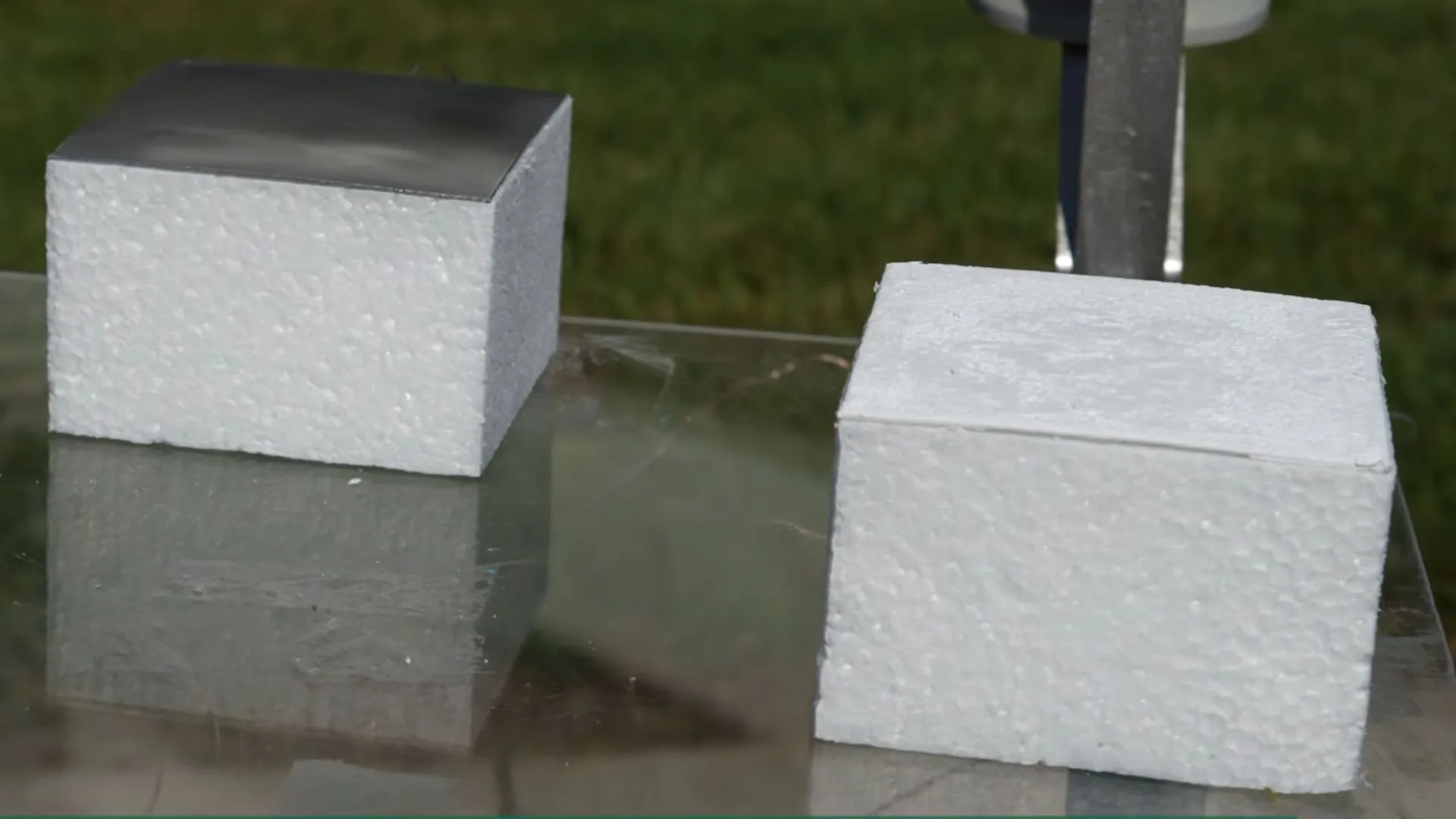
A white roof paint developed at the University of South Florida kept test surfaces cooler than the surrounding air during 28 days of outdoor testing in Tampa.
The paint, developed by a team led by distinguished university professor Yogi Goswami, reflects up to 98 percent of sunlight and releases heat at wavelengths that can pass through Earth’s atmosphere.
The researchers designed the coating to reduce how much heat enters buildings through their roofs, potentially cutting the energy needed for air conditioning. Goswami said rising temperatures and growing demand for cooling inspired the work.
The Tampa tests measured surface temperatures, while the potential savings on building energy bills remain an estimate. Goswami estimated that the paint could cut building energy bills by as much as 50 percent.
The coating tackles heat in two ways. First, it reflects most incoming sunlight, limiting the amount of solar energy the surface absorbs. It also gives off heat as infrared radiation.
The researchers designed the paint to emit that radiation at wavelengths that can travel through a relatively transparent part of the atmosphere known as the atmospheric window.
That window gives some of the heat a route into space. When the coated surface loses more heat than it gains from sunlight and its surroundings, its temperature can drop below that of the air around it, even during daylight.
Goswami’s team developed the paint from natural materials at the university’s TECO Clean Energy Research Center.
The team prepared three samples, each with aluminum foil laid over thermal insulation.
Source link