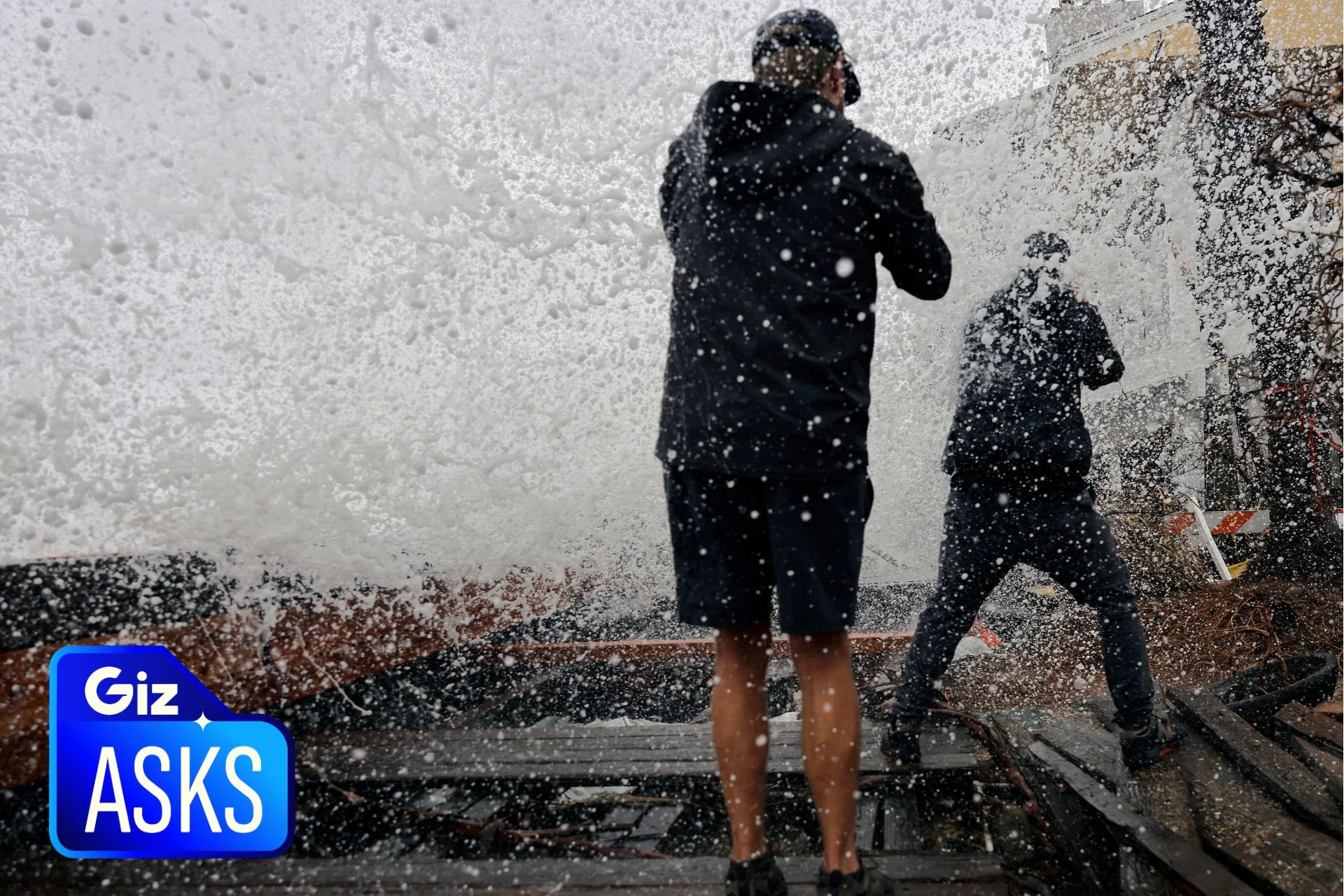
With each fraction of a degree Earth’s temperature rises, so does the threat of extreme weather. In the United States, climate change is exacerbating disasters that endanger the public and cost the nation hundreds of billions of dollars per year. Despite this, federal support for climate change mitigation and adaptation, as well as disaster preparedness and response, has crumbled under President Trump.
His energy agenda has sought to destroy renewable energy growth and inject new life into the nation’s fossil fuel industry. In February, the Environmental Protection Agency (EPA) rescinded the legal basis for greenhouse gas regulation in the United States. The Federal Emergency Management Agency (FEMA) lost over 17% of its staff in 2025 alone, and the administration also withheld billions of dollars meant to help states protect residents, their homes, and the critical infrastructure they depend on from natural disasters.
I could go on. As the risks mount and the resources for addressing them disappear, knowing where the biggest gaps in preparedness lie becomes all the more important. The urgency of this situation was laid bare this summer—the hottest on record for the United States—during which communities struggled to cope with life-threatening heat waves, rampant wildfires, powerful storms, and flash flooding.
S. most underestimating? I posed this question to multiple experts, and while it’s clear that the federal government has hampered the nation’s ability to weather all kinds of climate-driven disasters, they pointed to several threats that may be particularly underappreciated.
Source link