At the turn of the last century, the automobile industry was still new and evolving rapidly. In 1898, there were about 50 carmakers in the United States. A decade later, that number had increased fivefold. In 1901, the companies produced 7,000 vehicles. By 1910, production had reached 181,000.
For several decades, electric cars vied with those powered by steam and internal combustion, and nobody was sure which technology would come out on top. Steam had the legacy of locomotive technology behind it but came with a risk of fire. Steam-powered vehicles could also become exceedingly hot, depending on the placement of the boiler and the steam piping. Both gasoline and electric cars faced logistical challenges: How far could you travel without refueling or charging? You could always throw an extra can of gasoline in the back of the car, but charging a battery involved more planning. The infrastructure for long-distance travel was not yet in place.
Before the invention of the electric starter in 1911, gasoline-powered engines had to be started with a hand crank; once running, they were loud and emitted noxious fumes. Fully electric vehicles, by contrast, were easy to start; you just turned on the main battery switch, often with a key, and there was no foul exhaust to deal with.
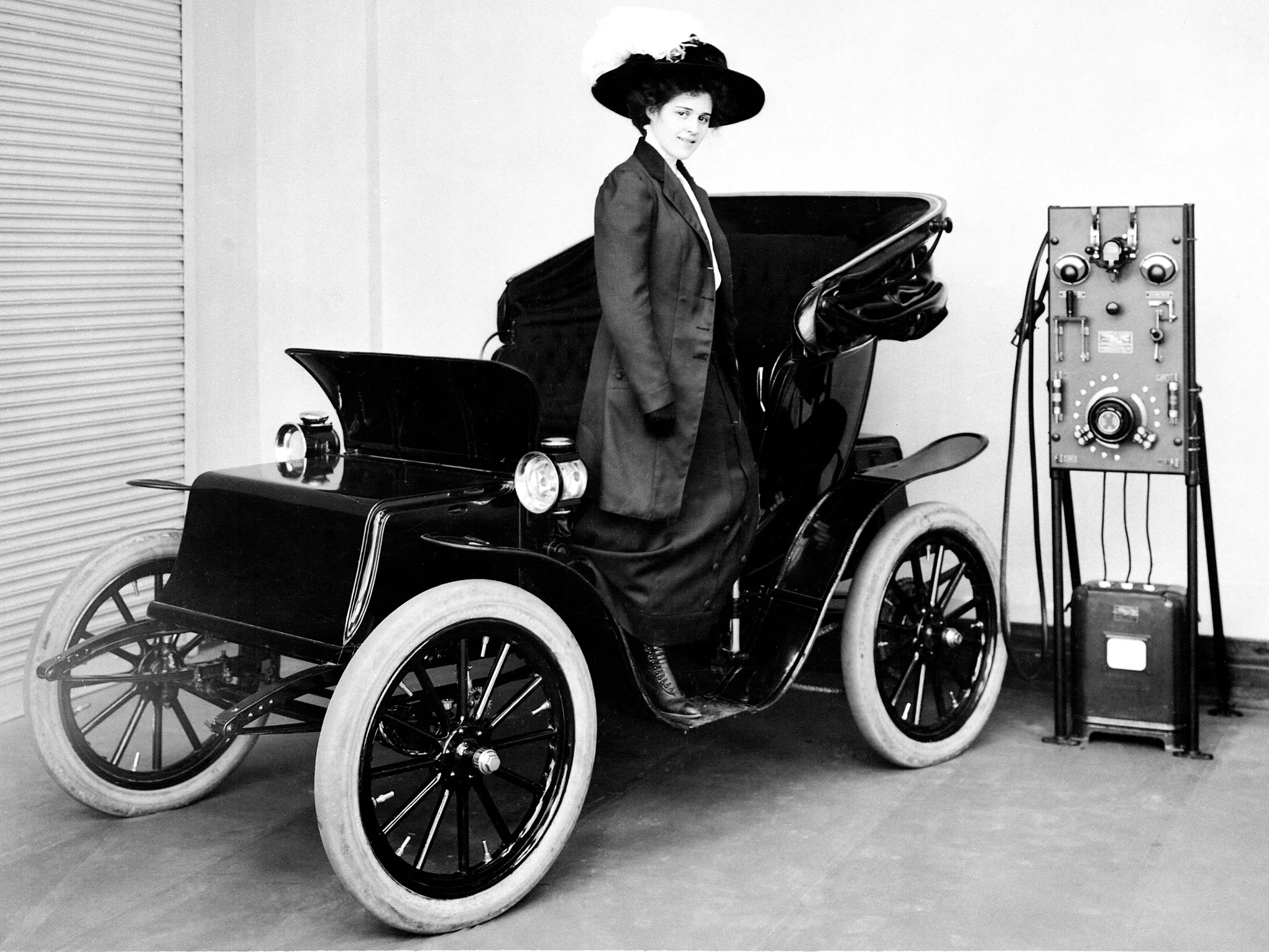
Electric carmakers looking for a way to differentiate their products decided that these attributes made their vehicles perfect for women. ) General Electric, which made car chargers based on mercury-arc rectifiers , was so captivated by the idea of women driving electric cars that the company created a series of advertisements featuring stylishly dressed women plugging in their cars and posing with their charging stations.
Source link