Home / Technology / Tech News / When AI chatbots become advisors, who is responsible when things go wrong?
When AI chatbots become advisors, who is responsible when things go wrong?
As chatbots become confidants and advisors, lawsuits and research are raising questions about what happens when people trust artificial intelligence with decisions that carry serious consequences
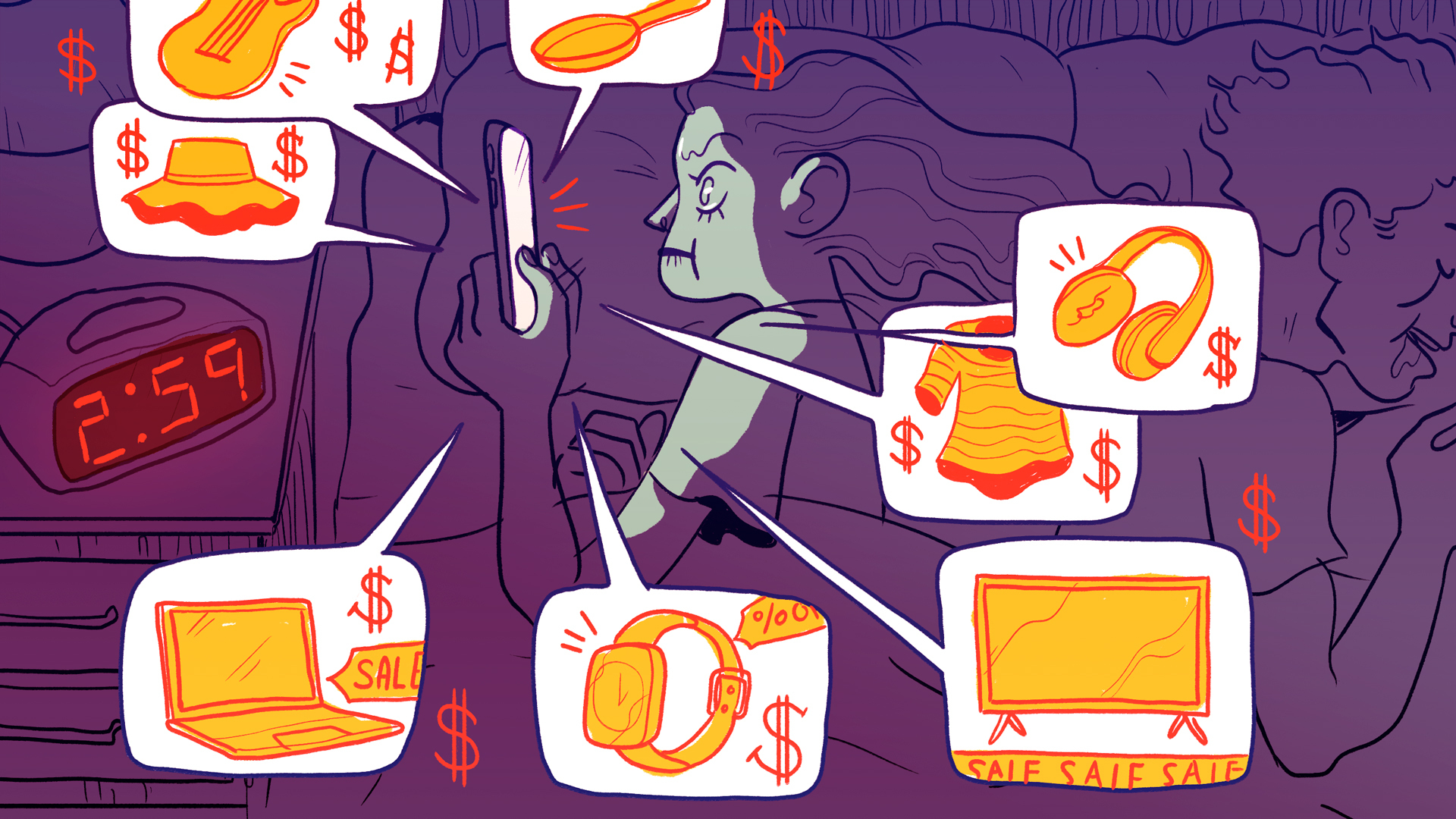
Chatbots act differently from search engines; they respond directly to individual queries and can also maintain the context of an extended conversation (AI-generated image used for representative purposes only)
Indranil Sen New Delhi 6 min read Last Updated : Nov 03 2026 | 3:36 PM IST
An AI chatbot has become the new constant companion for smartphone users. It never gets impatient, responds with apparent empathy, offers reassuring words and can explain a complicated topic in a simplified manner.
But what if that reassurance is misplaced? What if the chatbot simply agrees with someone who is about to make a dangerous decision? Who should be held responsible when someone acts on its advice and that results in harmful consequences?
The recent death of 31-year-old Bowen Wan brings these questions into sharp focus.
On October 27, 2026, Wan’s parents filed a lawsuit against OpenAI, alleging that ChatGPT had encouraged their daughter to reduce her medication that controlled her severe epilepsy, conceal the plan from her doctors and dismiss symptoms that could have indicated serious medical issues, The New York Times reported.
She passed away in February 2026 due to complications associated with epilepsy after allegedly reducing her medication based on ChatGPT’s guidance.
Source link