The good: US sales are way up from the start of the decade, after the pandemic sparked interest in two-wheelers and helped riders go farther, faster, and with less effort. More people also see ebikes as viable transportation options and as more affordable and accessible alternatives to increasingly expensive cars. The bad? Sales are down from two years ago, and bike manufacturers and sellers have suffered. Riding injuries are up, notably among children, and lawmakers are looking for ways to control them.
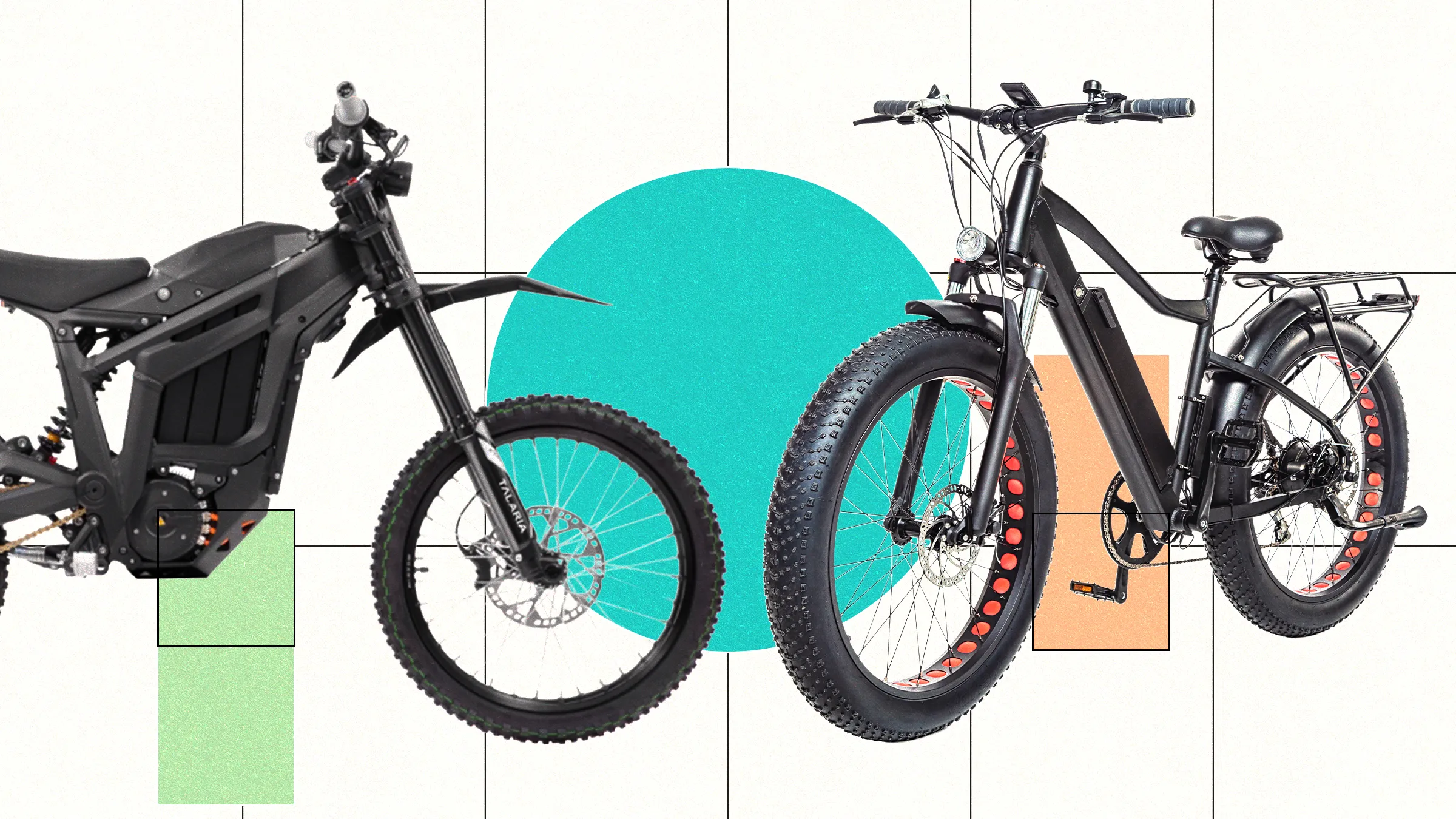
Part of the issue is that people struggle to understand the difference between types of ebikes, and between ebikes and their faster cousins, e-motos. This often isn’t their fault. Lawmakers and vehicle retailers themselves have blurred the edges of the product categories, even though many places require riders of the most powerful ebikes and e-motos to meet age, licensing, and registration requirements.
Today, a kid might see a targeted ad online for an electric dirt bike capable of speeds exceeding 40 mph and ask their parents to buy it straight from the internet—neither understanding that no one, much less a minor, is legally allowed to pilot them on public streets without a license.
Here’s a handy guide to the different types of electric micromobility vehicles available, to help you keep them straight. Local laws vary, so buyers should research and understand what’s allowed on their local roads before whipping out a credit card.
The electric bicycle industry uses three “classes” to differentiate product capabilities. Class 1 ebikes have motors that kick in when the rider pedals—the assist stops at 20 mph.
Source link