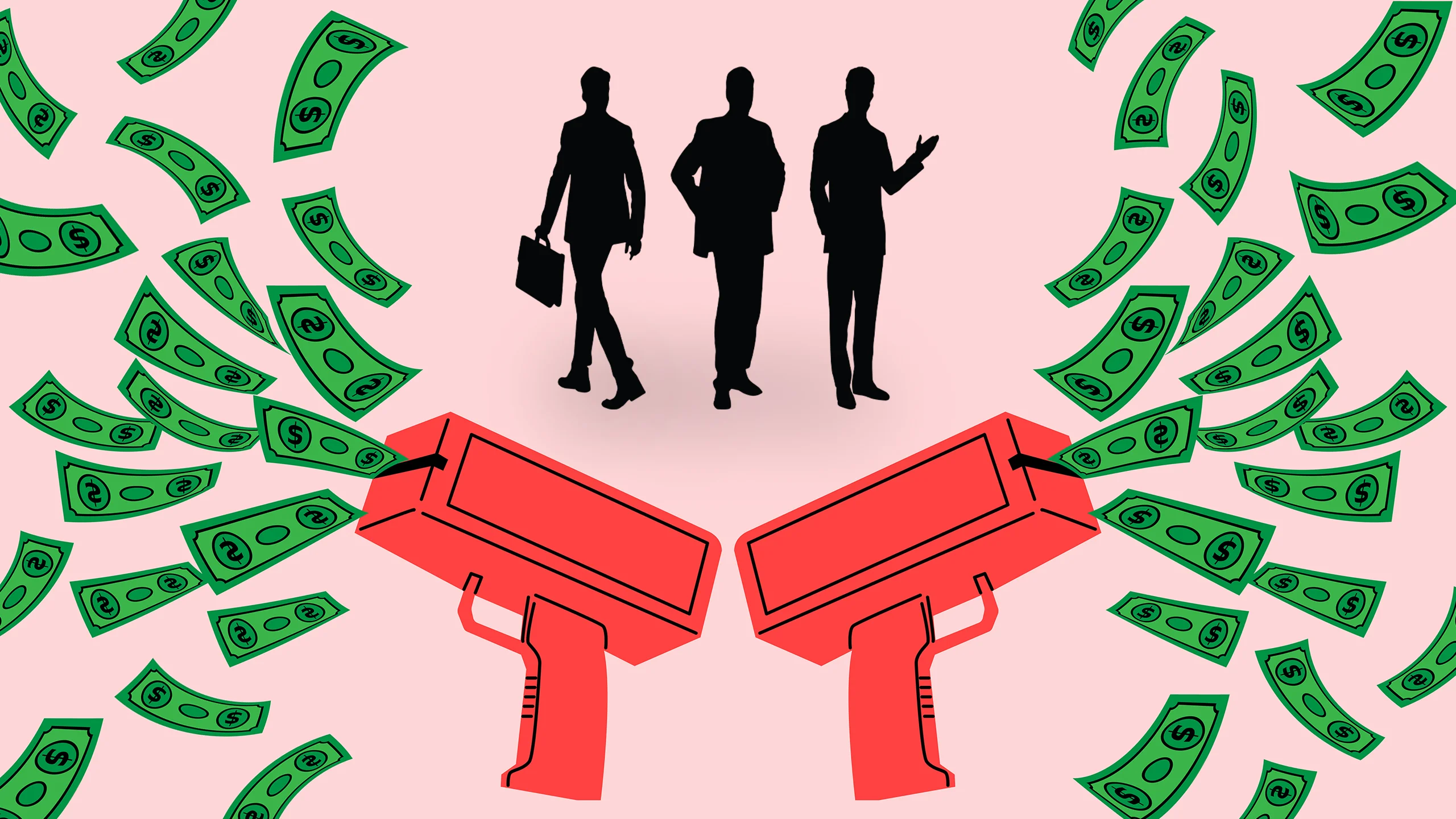
Generosity is in the air, or so it would seem. The Trump administration recently mailed a round of $500 checks to almost a million users of Healthcare.gov. The AI rivals OpenAI and Anthropic have promised to share their (eventual) wealth with the public beyond investors, and Anthropic this week got a bit more specific, proposing a Public Benefit Fund pegged at 5% of the company’s overall value. And never to be outdone, Elon Musk promptly pledged to give “every kid in America” a share in SpaceX.
What explains the abrupt rise of these largesse Olympics among some of our most powerful institutions? Presumably there’s actual generosity involved. But let’s face it: Each of these schemes doubles as reputational marketing.
Naturally, the details vary. The government checks are the most straightforward. They are accompanied by a letter ostensibly from President Trump, attacking Democrats and promising to lower healthcare costs. If that’s not a blatant enough pitch to vote Republican in the midterm election, the White House has also promised a $5,000 “Trump dividend” cash payment to every adult U.S. citizen—but only if the GOP keeps control of both the House of Representatives and the Senate. So far this blunt generosity-as-persuasion approach doesn’t seem wildly effective; voters appear highly skeptical that the Trump dividend will materialize under any circumstances.
For the artificial intelligence giants, the scenario is more nuanced. For some time now, the enormous promises attached to the technology have been accompanied by warnings of enormous risks. These range from taking our jobs to energy hog data centers to the more sci-fi-ish possibilities of wiping out humanity.
Source link