For diehard fans and newcomers like me, tech offers deeper insights into the race while helping broadcasters tell a richer story. I went behind the scenes to see how it all comes together.
Technology has always been central to Formula One, but it’s playing an increasingly important role in how races are brought to fans around the world.
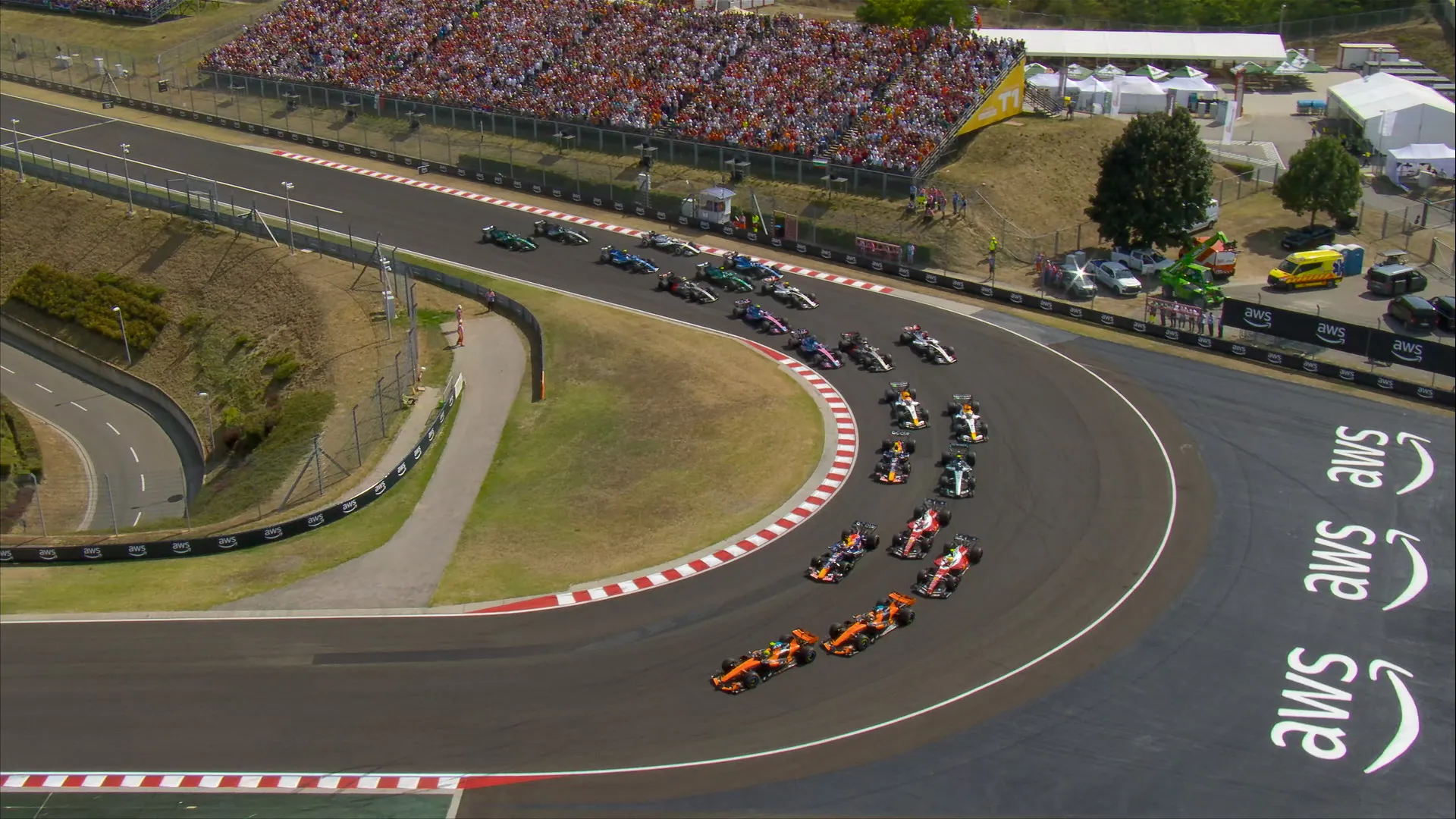
Ahead of the United States Grand Prix, which ran Friday through Sunday in Austin, Texas, I got a behind-the-scenes look at the on-site production facilities and how data is analyzed and turned into broadcast insights that help viewers – newcomers like me included – better understand the action unfolding on the track.
F1 has surged in popularity in the US in recent years, driven by factors like increased social media exposure, new race destinations and a more personal connection with drivers, thanks in part to Netflix’s hit docuseries Drive to Survive. And with cars reaching speeds of up to 230 miles per hour, it’s easy to see what makes the sport so thrilling.
But those cars aren’t just lightning-fast; they’re also data-gathering machines. Each F1 car generates around 1.1 million data points per second from 300 sensors. Technology partners like Amazon Web Services help process and analyze that information, turning complex data into insights that anyone, from casual viewers to die-hard data nerds, can understand and enjoy – including race metrics previously available only to production crews.
Then there are people like me, somewhere in between — intrigued by the F1 frenzy but still learning the rules, technical details and strategies that keep millions of fans invested in every race.
Source link