It’s not an honest mistake; it’s the start of an attack on your wallet.
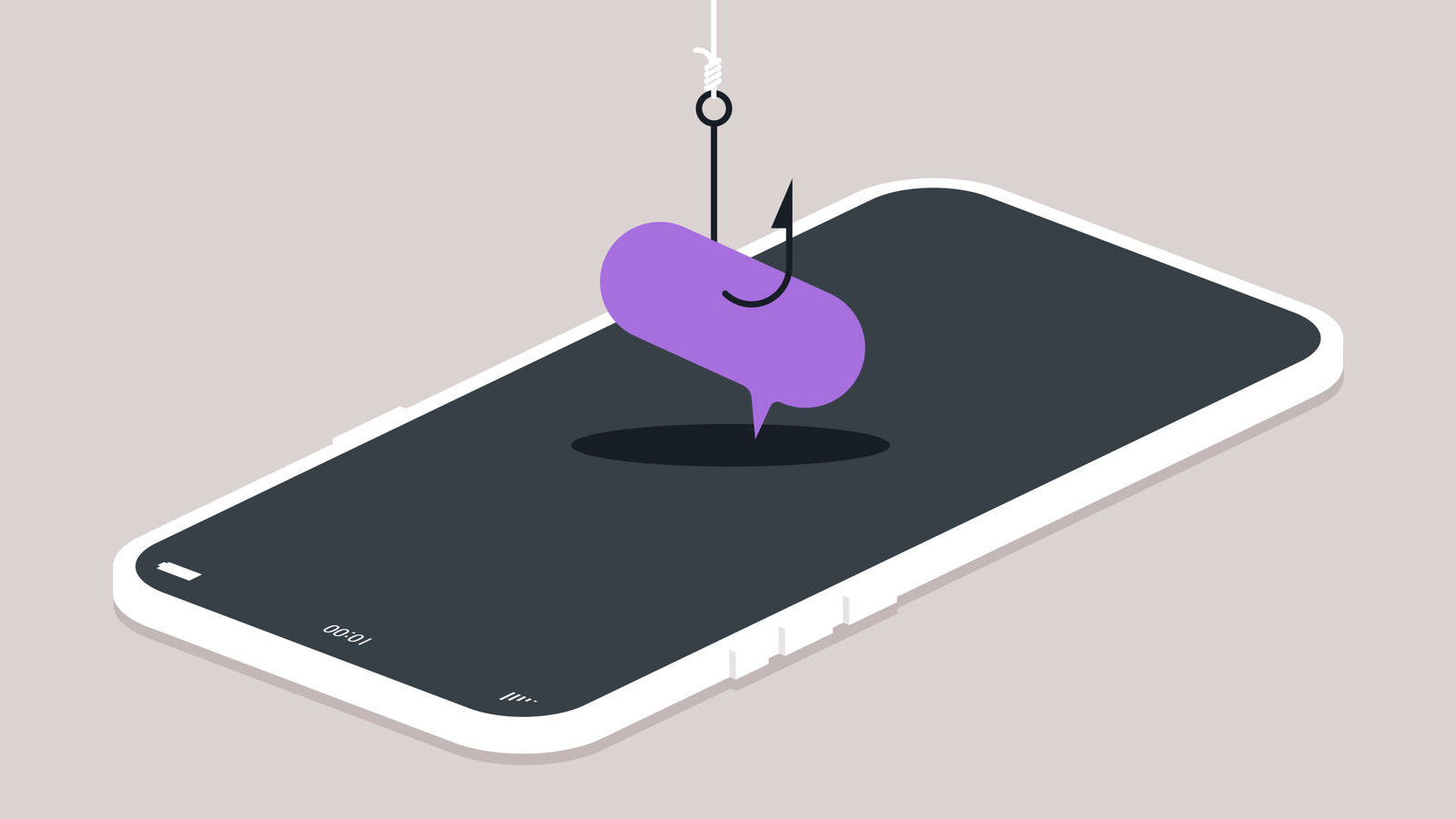
There's a good chance you've gotten a message from a "wrong number" at least once. These follow a familiar pattern: a random number asks a question addressed to a name that's not yours, so you politely respond and say they have the wrong number. Instead of acknowledging this and moving on, they thank you for being so kind and ask if you want to be friends.
While the other person might claim that it's "fate" you met like this, a terrible fate awaits if you continue talking to them. It's the start of a scam, not a friendly person looking for conversation — one of many ways crooks try to take advantage of you being kind.
If you continue talking to a "new friend" who contacts you this way via standard text message, they'll eventually ask you to move to another messaging app like WhatsApp or Telegram. There are several reasons for this, including centralizing their communication, avoiding fees associated with SMS in other countries and splitting duties among their teams. Once you connect with a person on a web-based messaging app, they'll begin to develop a "friendship" with you, checking in throughout the day.
These greetings often start with relatively innocuous questions, like asking whether you've eaten. In many cases, conversations take on a "romantic" element . These people will pretend to share in personal matters you mention to them, like the loss of a spouse.
Source link