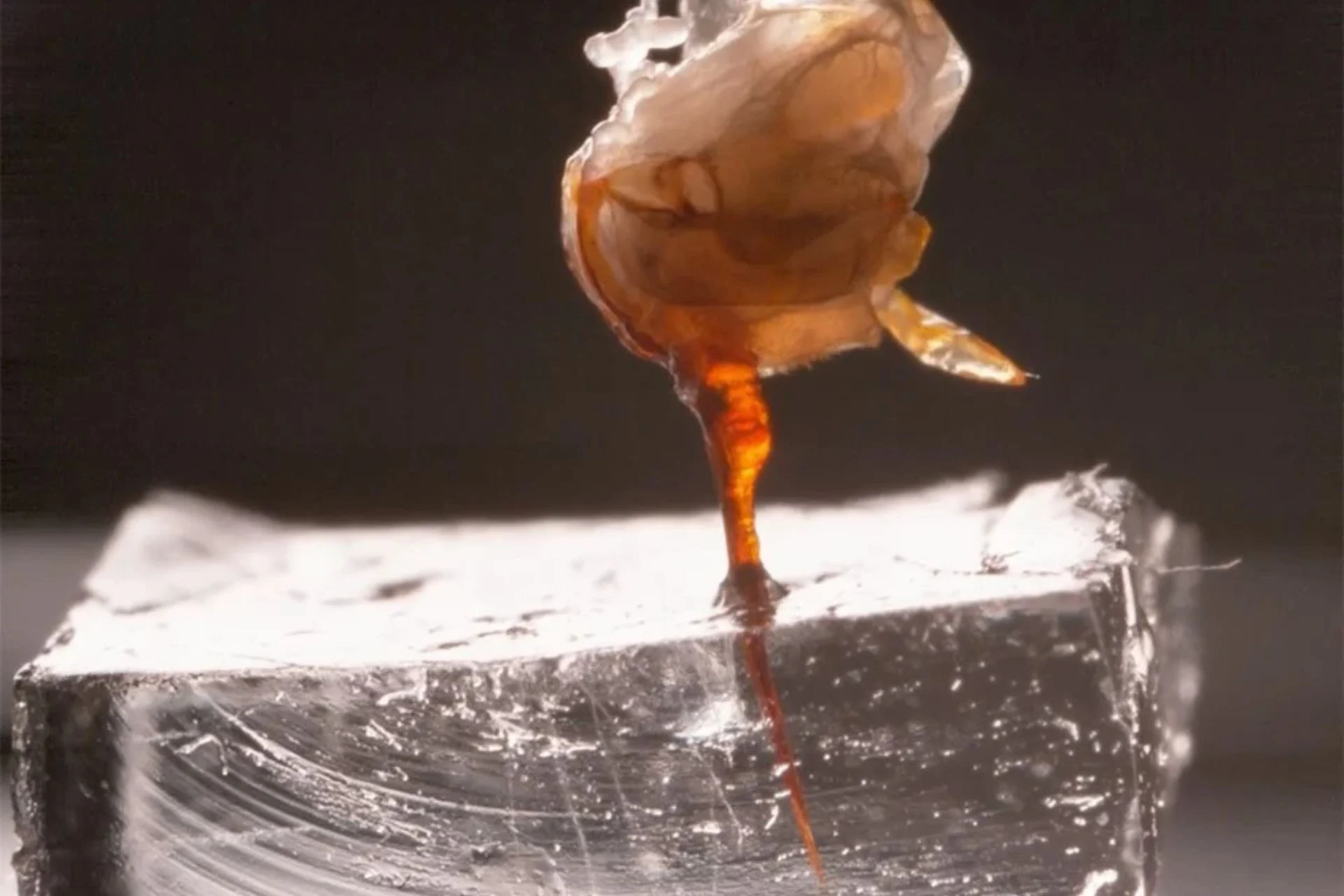
Anyone who’s ever been stung by a bee knows how painful it can be. Now, for reportedly the first time, scientists have captured an incredibly detailed and up-close look at how these stingers work to cause us and other animals so much misery.
Using high-speed cameras, researchers in Australia recorded bee stingers delivering venom into a clear gel meant to mimic human skin. Among other things, they found that these stingers pump venom through a unique dual-piston mechanism that operates completely independently of the bee itself. The findings might allow us to build new kinds of medical or other devices, the researchers say.
“Our work shows the pumping behavior in a live stinger in a level of detail we did not have before,” lead author Fiorella Ramirez-Esquivel, a postdoctoral fellow in the School of Natural Sciences at Macquarie University, told Gizmodo.
There are all sorts of venomous animals in the world, some of which—like bees—use specialized stingers to deploy their toxic payload. Most stinging animals use muscles that actively contract around the source of venom in their body to deliver the toxic blow, according to the researchers. The honeybee (Apis mellifera), however, has a unique strategy called autotomy: when they pierce their barbed stinger into a victim’s skin, it breaks off and continues to pump venom out all on its own (unfortunately, this trick is fatal for the bee, though only a few species employ it).
We have already learned much about the honeybee’s stinger and its accompanying structures, which include the venom sac, pumping chamber, nerves, and muscles.
Source link