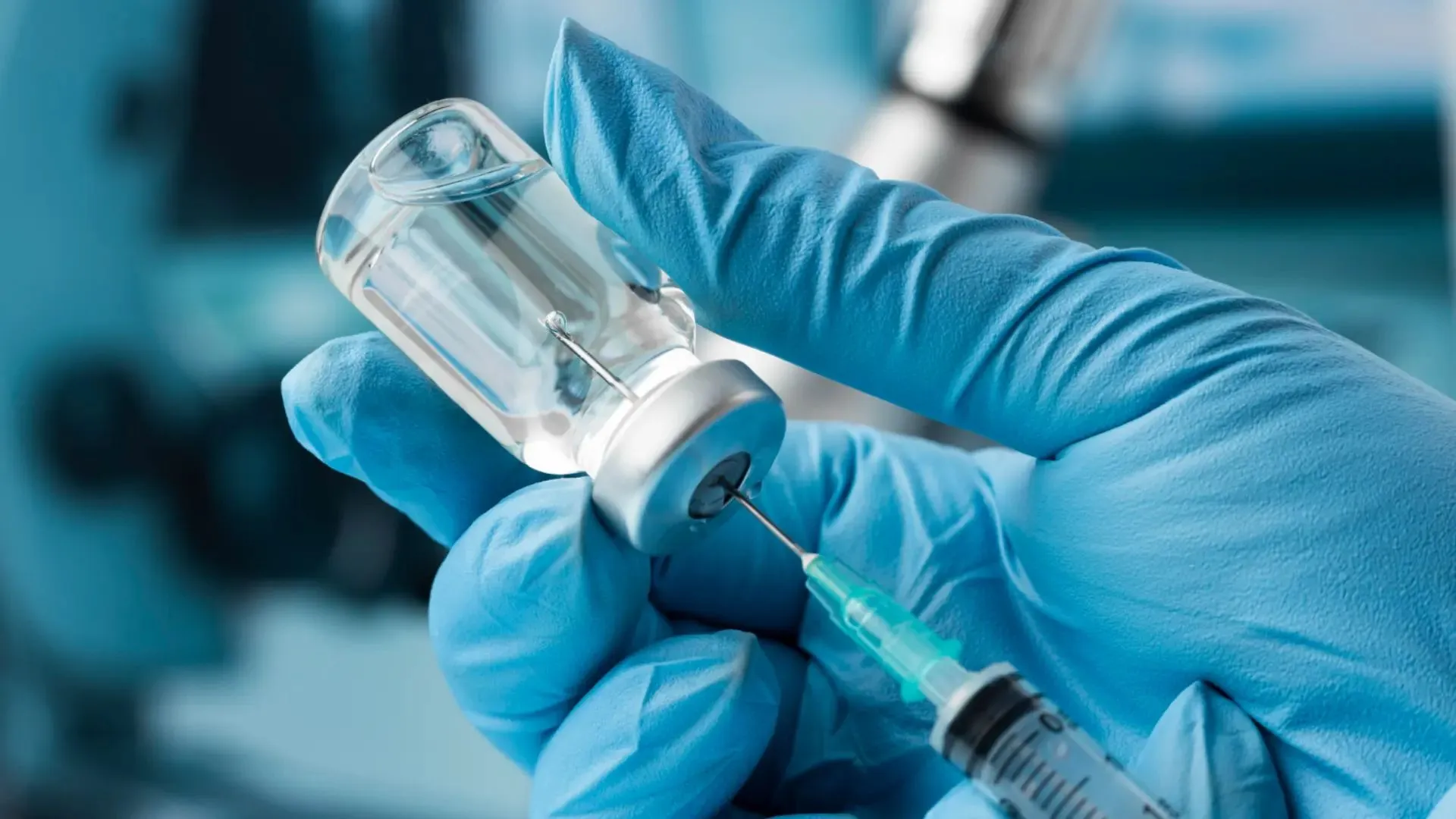
An iron-based injection inspired by wastewater treatment has shown early signs of activity against advanced cancer in a small clinical trial in China. The experimental therapy controlled disease in 16 of 19 patients, including two whose tumors shrank.
The Phase I study tested the injection directly inside tumors in patients whose cancers had progressed despite previous treatment.
Its 84.2 percent disease control rate includes both stable disease and tumor shrinkage. The objective response rate, which measures shrinkage, was 10.5 percent.
Published on October 1 in Signal Transduction and Targeted Therapy, the study was conducted at three hospitals in Sichuan, Hubei and Shandong provinces.
A Phase II trial involving 52 patients is now underway across 10 Chinese hospitals to further assess safety and efficacy.
The approach draws on a chemical reaction used to treat industrial wastewater. Iron reacts with hydrogen peroxide to generate hydroxyl radicals, highly reactive molecules that can break down organic pollutants.
Researchers adapted that principle to attack malignant cells. They combined a clinically approved nanocrystalline carbon injection with ferrous sulfate to produce a formulation called CNSI-Fe.
The treatment is designed to induce ferroptosis, a form of cell death involving iron-dependent damage to cell membranes. Normal cells have antioxidant defenses, including glutathione, that help protect against this damage.
Previous animal experiments showed that CNSI-Fe inhibited tumour growth in six tumour models, including colorectal, breast and pancreatic cancer. The clinical trial examined whether that approach could translate into treatment for people with refractory solid tumors.
The 19 participants had several cancer types, including sarcoma, head and neck cancer, pancreatic cancer, non-small-cell lung cancer, ovarian cancer, breast cancer and vulval cancer.
Source link